
8.8
Score
Blocky, Beautiful, Cozy, and Organic
Town To City Review
By lyndonguitar
Published on June 10, 2026 review
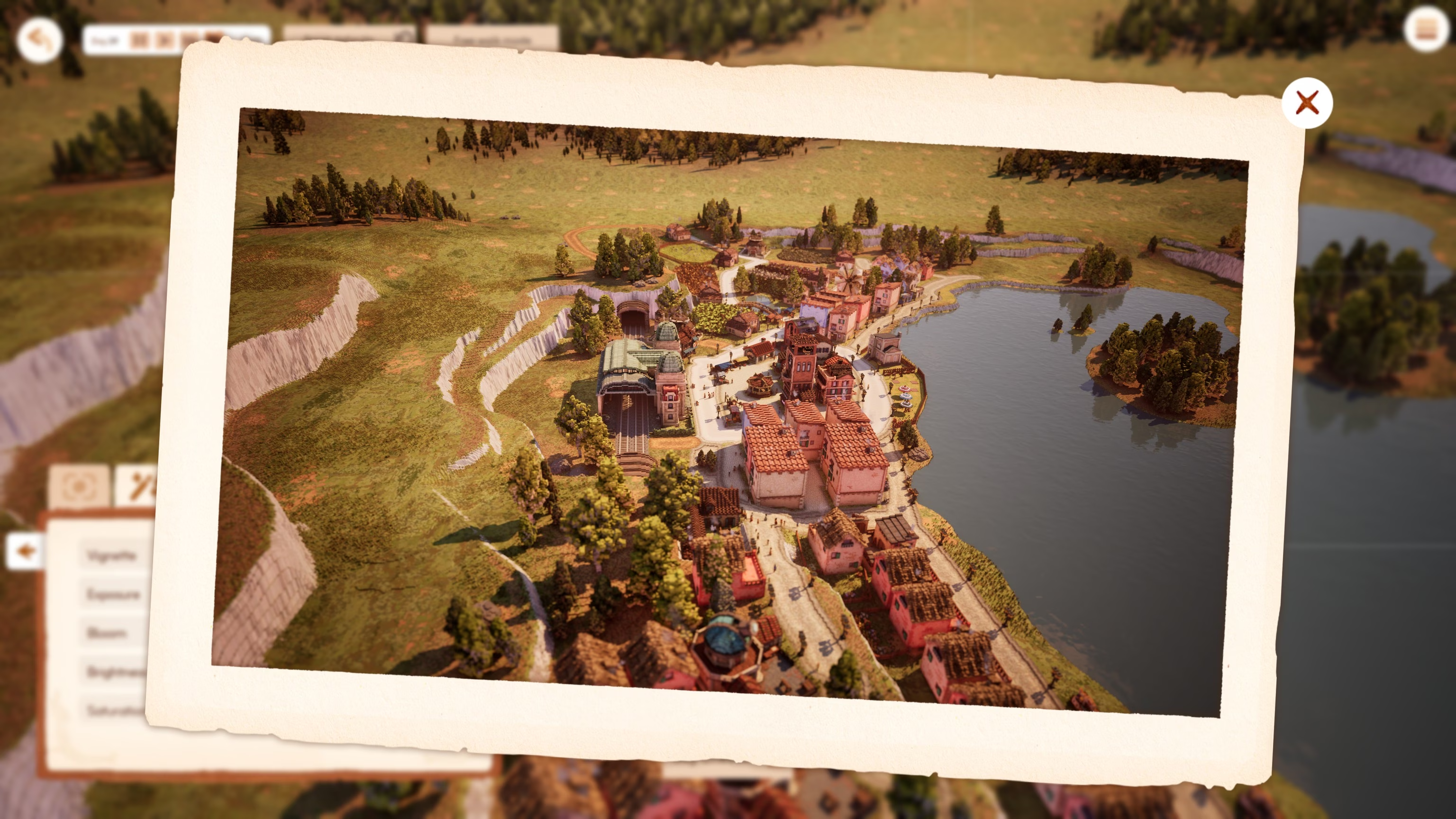

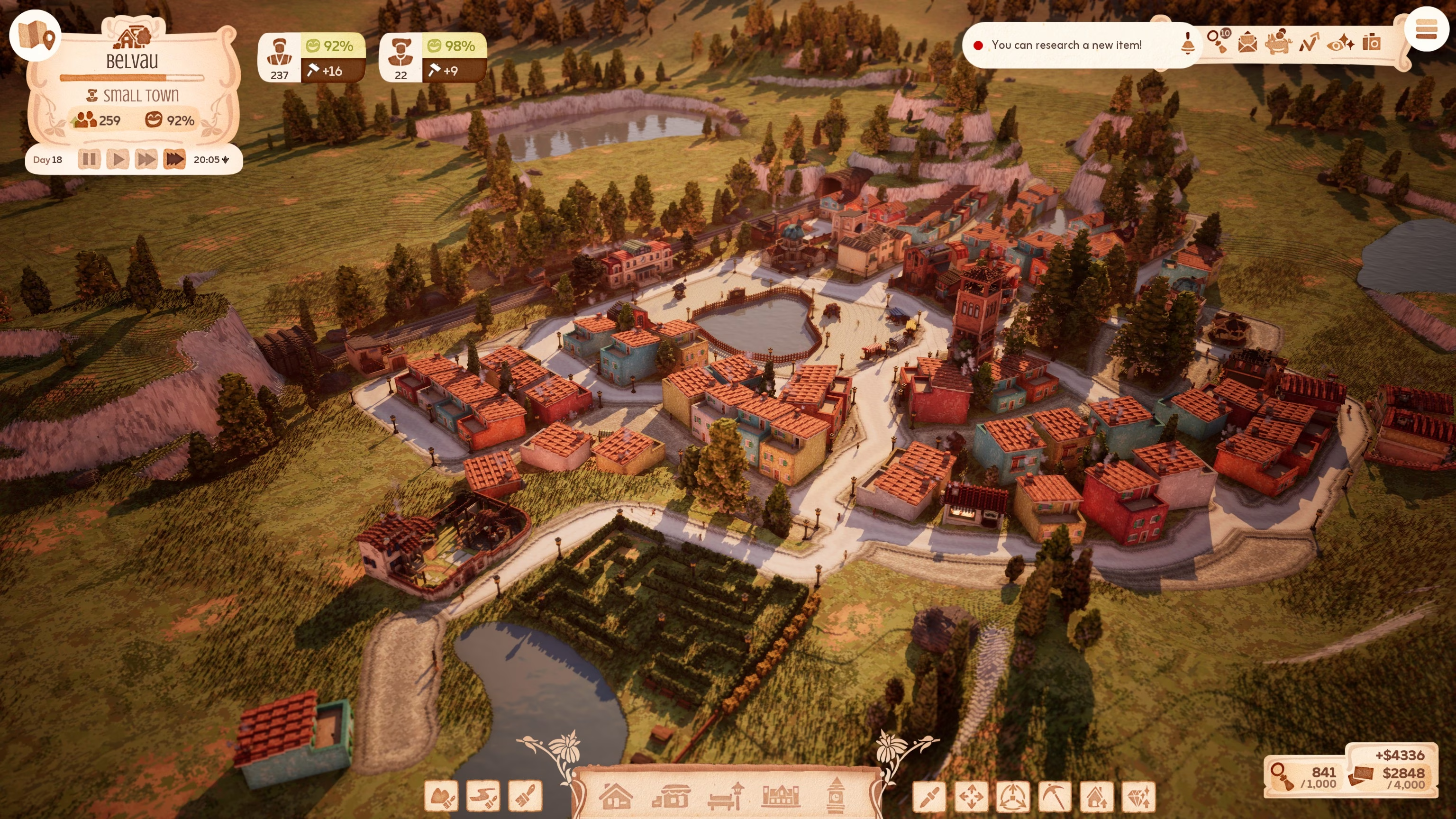
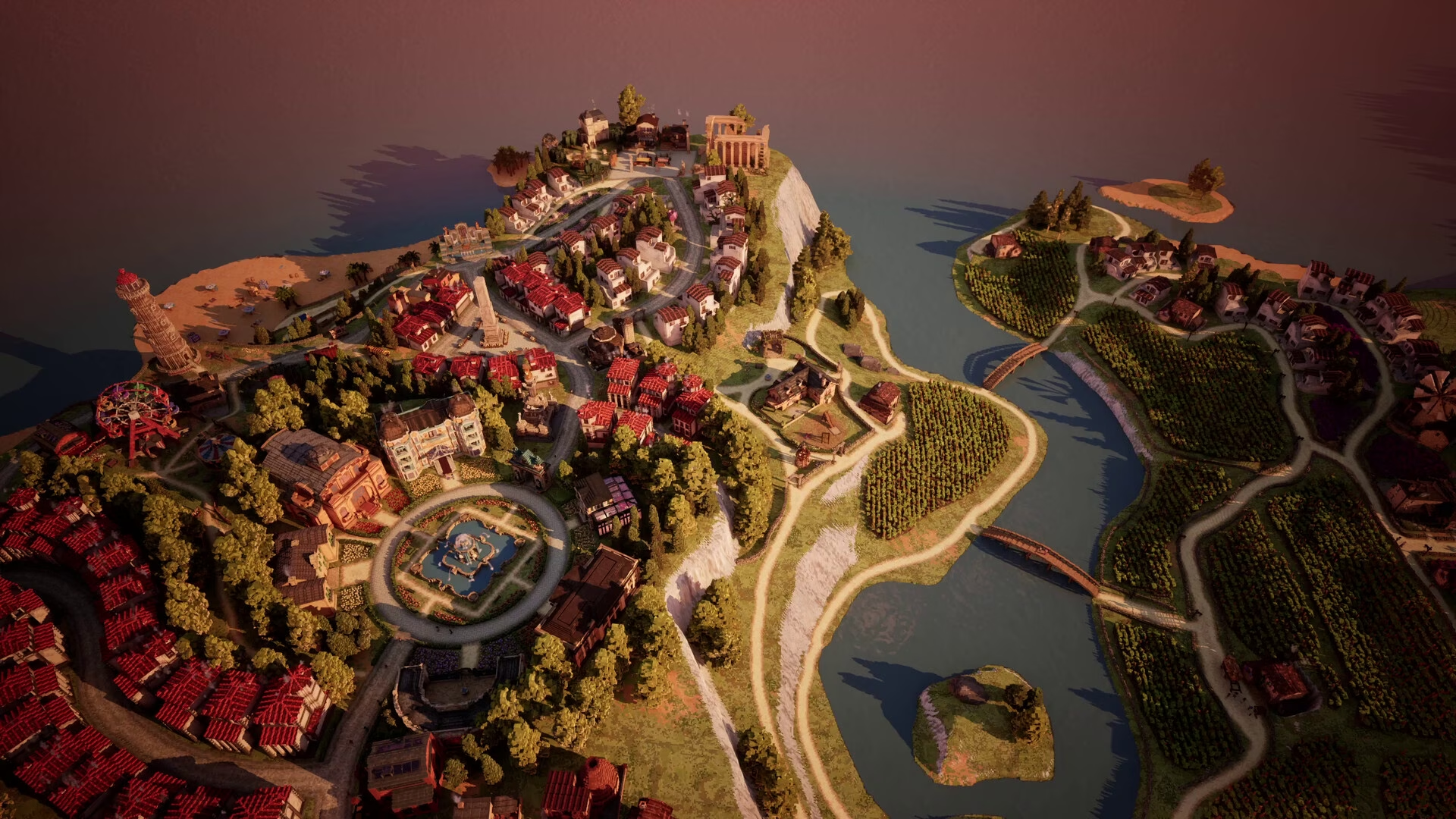
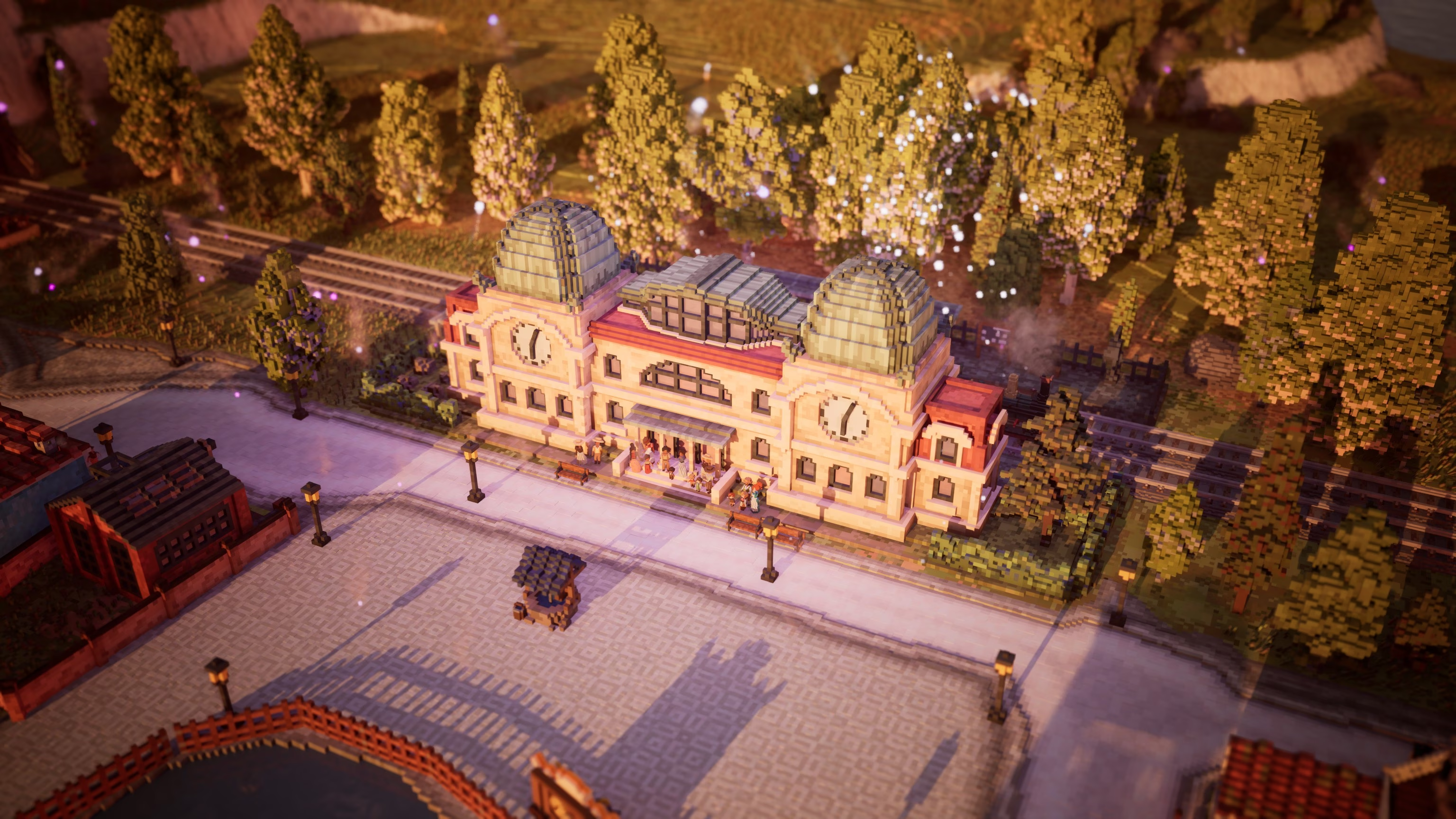
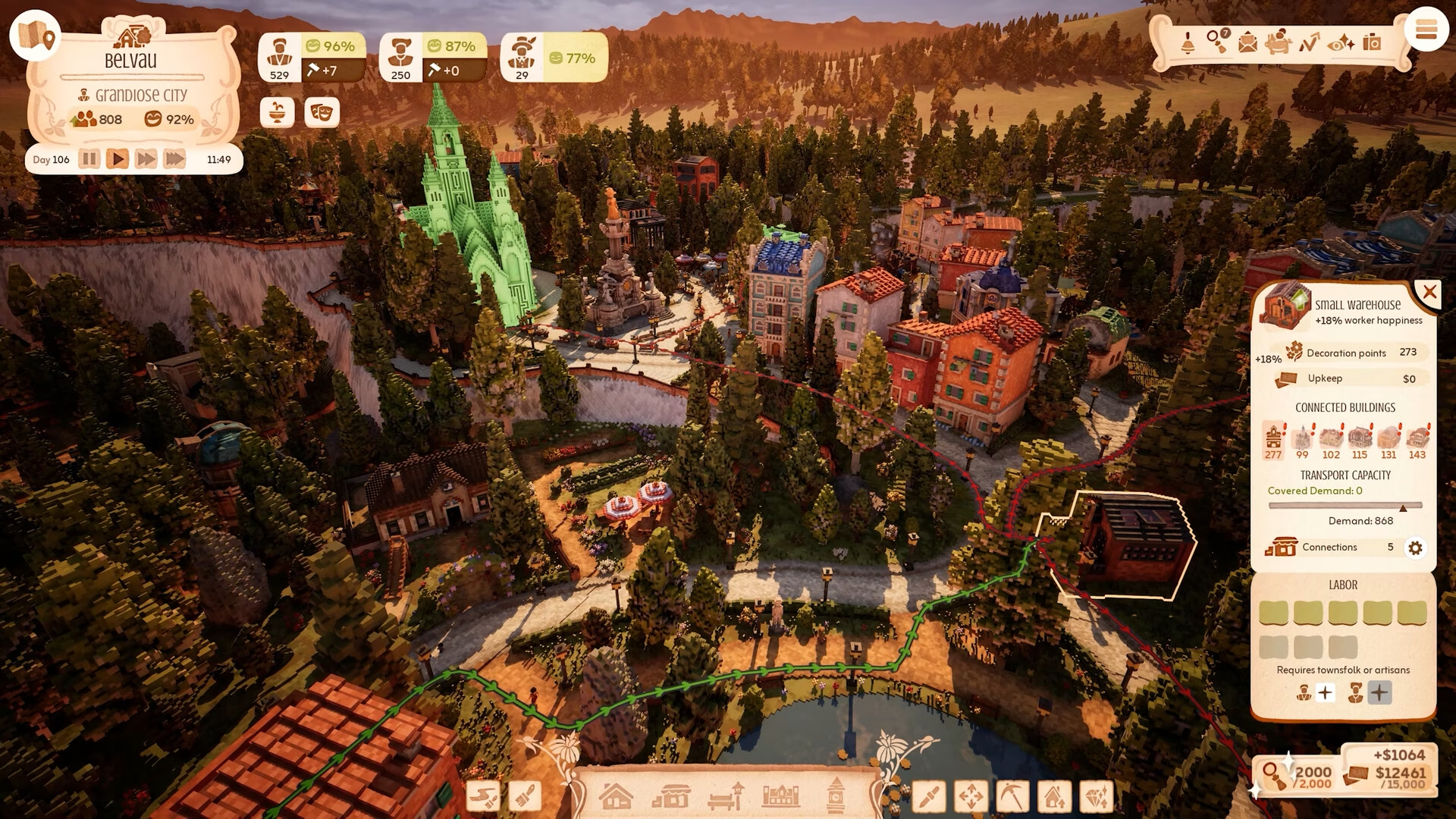
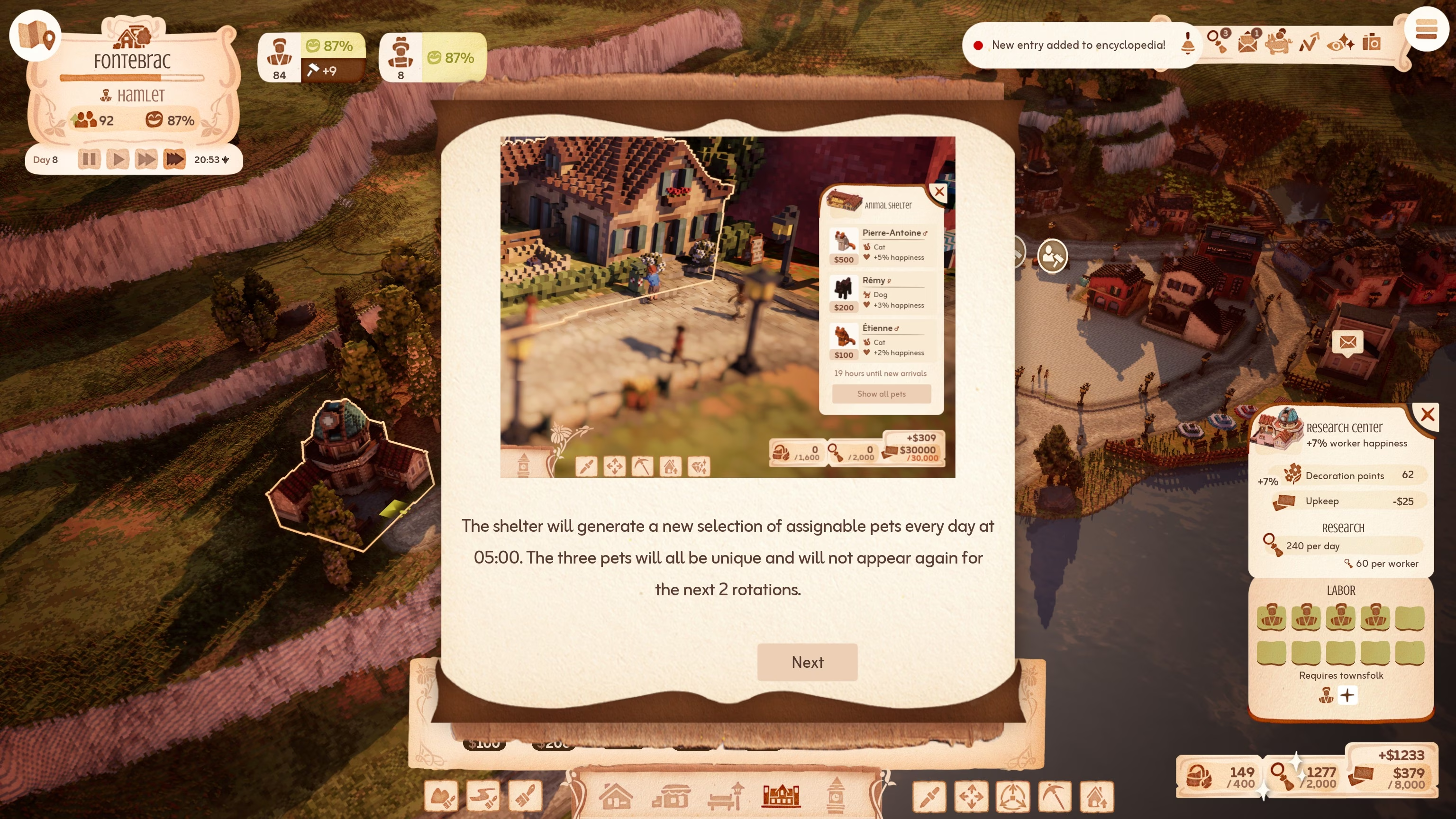
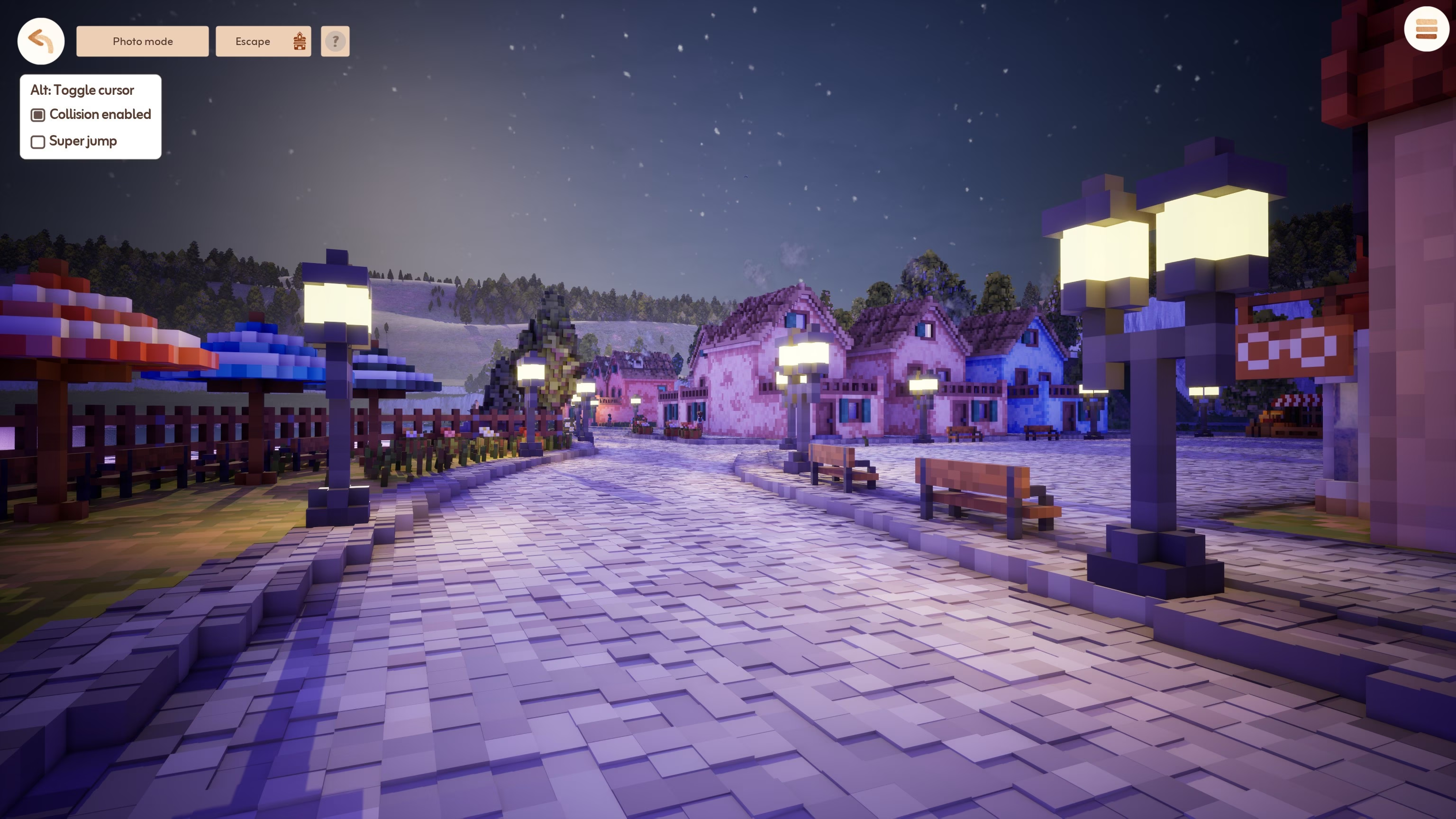
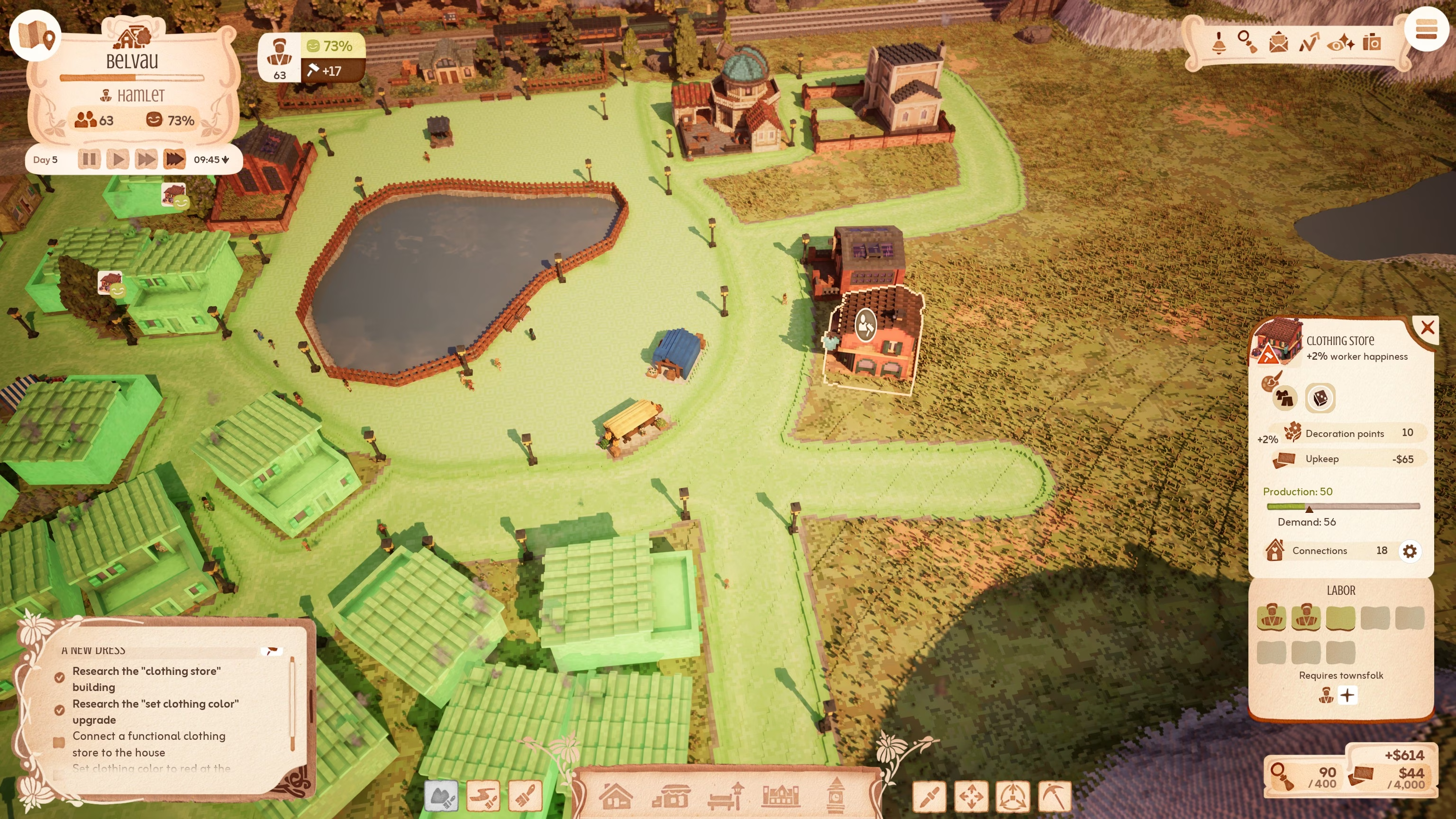
You know that exact moment in a city builder where you zoom all the way in just to watch some tiny digital person walk down a street you placed? Town to City takes that specific flavor of dopamine and absolutely crushes it. Exiting early access to deliver its fully realized 1.0 version, it completely discards the sterile, spreadsheet-driven mentality of traditional city management games. Instead, it hands you the keys to a charming, Mediterranean-inspired sandbox, tells you to throw away the ruler, and asks you to just build something beautiful piece by piece. It is messy. It is organic. And it is incredibly hardware-hungry.
🌾 Free-form, gridless placement creates genuinely natural, winding neighborhoods
🔥 The lighting engine makes even those chunky voxel aesthetics look undeniably gorgeous
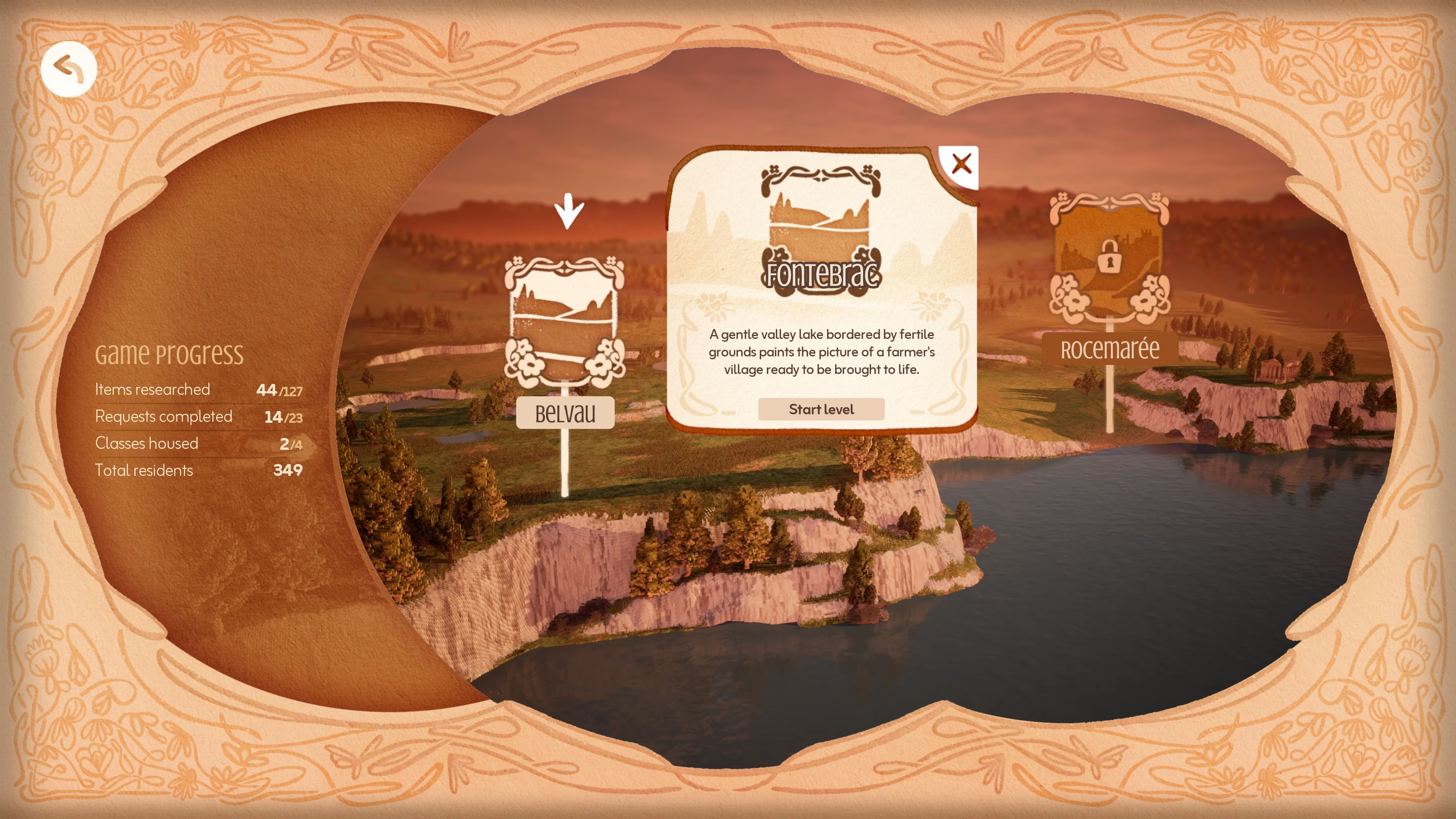
🔗 Persistent multi-town progression means your hard work actually carries over
🎵 A sweeping, French-inspired soundtrack makes every major upgrade feel monumental
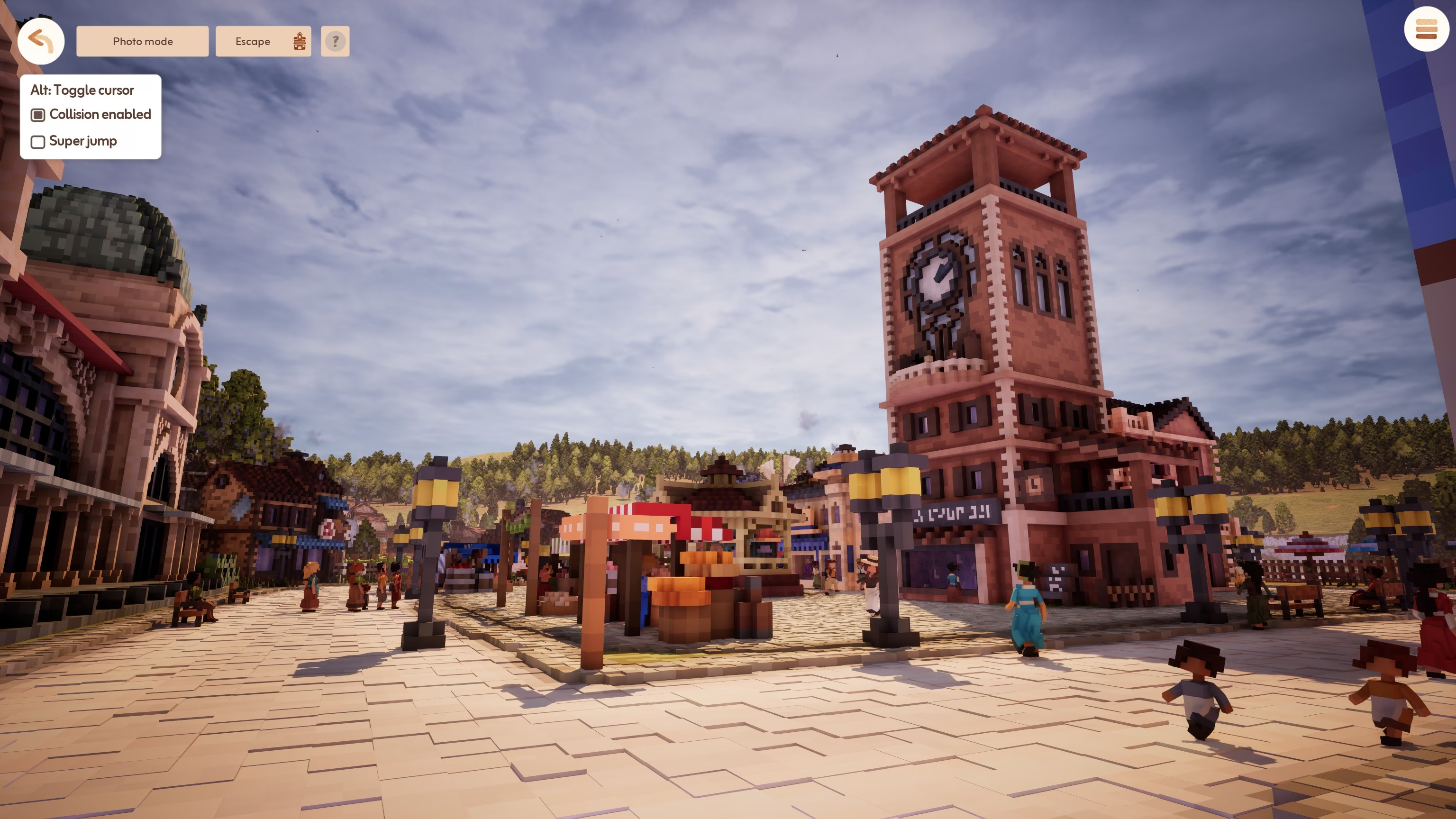
🚶♂️ Simple but cool First-person mayor mode provides unmatched ground-level immersion
🛑 Controller support delay is a massive gut punch for the handheld cozy crowd
💻 Horrifyingly heavy on top-tier hardware and will push a 4090 to its wattage limit
The core loop of Town to City is simple, focusing on creativity over punishment and efficiency. You aren’t playing a hardware society survival simulator trying to balance an impending economic collapse or a sudden plague. You are carefully nurturing a society from the dirt up, navigating the escalating demands of your residents, and expanding across multiple themed regions. It marries the logistical puzzle-solving of a management game with the absolute freedom of a cozy sandbox, delivering an experience that is relentlessly hard to put down once it gets its hooks into you.
If you are tired of games that bombard you with blinking red warning icons in the first ten minutes, you can breathe a massive sigh of relief. The difficulty curve here is beautifully gentle. It lets you settle into the relaxing rhythm of mayoral life before it slowly, almost invisibly, dials up the complexity. (the alert icons are inevitable, still). AT the core, you just manage population growth and baseline happiness. As those metrics inevitably rise, so do the specific needs and wants of your citizens. The game uses this population expansion as its guiding hand to unlock new “Town levels”. Every upgrade reveals new gameplay mechanics, effectively turning the progression system into an organic, almost stress-free tutorial. By the time you are juggling high-end bourgeois demands and complex agricultural supply chains, it feels like second nature.
A huge part of this frictionless design comes from the sheer creative freedom baked into the engine. The absolute lack of a grid means you can completely abandon rigid, boring city blocks. You build sweeping, free-form roads that curve naturally around hillsides, weaving dirt paths and cobblestone streets wherever you see fit. Then you decorate. The sheer volume of props—curated flower beds, towering trees, rustic benches, intricate street lamps, and colorful posters—ensures you aren’t just zoning a generic video game level. You are curating a living, breathing space. The only gripe I’ve seen is that the terrain sculpting feature isn’t as robust as i’d like it to be when handing bodies of water. Ponds and Rivers will literally rise if you increase the elevation, which can be hilarious if you try to mess around with it.
There are satisfying gamified elements like fulfilling localized requests from your populace keep the momentum punchy and immediately rewarding, such as citizens asking you to build a park, relocate to their house or preference, or their wish to adopt pets. And yes, your citizens can own pets. Building a sprawling, meticulously detailed park specifically so you can watch tiny voxel dogs run around is fundamentally the highest tier of municipal management. It shifts your entire mindset from optimizing tax revenue to actually making a neighborhood you would genuinely want to live in.
This is where Town to City completely embarrasses its genre rivals and rewrites the rules of engagement. In almost every other city simulator on the market, booting up a new map means starting from absolute scratch. You abandon your thriving metropolis, leave your citizens to the digital void, and grind through the sluggish early game all over again. Not here. Developer Galaxy Grove built a truly connected regional ecosystem that respects your time.
Each new map operates under a distinct, localized flavor. You kick things off in an Artisan-themed town, establishing bespoke crafting networks and dense residential pockets. Later, you open up a Farm-themed secondary map that demands a totally different logistical approach focused on crop yields and rural infrastructure. Then, the next is about Tourism. But the real magic is the permanence of your efforts. Research unlocks and vital resources carry over across maps, forging an interconnected network rather than a disjointed playlist of isolated levels.
You can easily jump back and forth between your bustling artisan hub and your sprawling agricultural center on a whim, without them feeling like your loading an earlier save or a previous mission. The progression is parallel and interchangable. Delivering the fruits of your farming labor to your artisan crafters across the region feels incredibly satisfying. Treating your towns as persistent, living nodes that you constantly revisit is a revelation that makes the entire campaign feel incredibly cohesive.
Let’s have an honest conversation about performance. Do not look at the cute, voxel-adjacent art style and assume you can run this game on a rusty, five-year-old laptop. The underlying rendering tech is absolutely punishing on modern hardware. Town to City will casually push even an RTX 4090 to draw over 400 watts when your bustling town is firing on all cylinders and your population hits critical mass. It is a genuine, unapologetic power hog.
But here is the wild part: it kinda of justifies every single watt? Where traditional city simulators inevitably choke your CPU and tank the framerate once the population swells into the thousands, this engine adamantly refuses to bog down. The trade-off for the intense heat pouring out of your PC case is a breathtaking, dynamic lighting system that elevates the blocky assets into something truly spectacular. Sunlight filters perfectly through the dense foliage of the trees you planted. The golden hour casts long, dramatic shadows across your winding, gridless roads. It is a visually striking game that uses its heavy lighting engine to sell the illusion of a tangible, physical diorama you can reach out and touch. The best part is, the performance doesn’t tank.
The entire vibe crystallizes the moment you hit the button to step down from the clouds and walk your streets in first-person view. Wandering through your creation as the Mayor bridges the massive gap between god-game detachment and ground-level intimacy. It is wild how quickly the blocky textures fade into the background when you’re literally standing on a street corner you just spent two hours detailing with pixel precision. You watch the traffic flow, look up at the towering structures, and appreciate the scale of your own handiwork from a purely human perspective.
Backing up this ground-level exploration is an absolute triumph of a soundtrack. Upgrading your town triggers these incredibly swelling, French-like orchestral moments that legitimately evoke a dramatic grandeur that reminded me somehow of Clair Obscur: Expedition 33. It is sweeping, classy, and intensely rewarding. It turns a simple level-up screen into an emotional crescendo that makes you feel like an architectural genius.
If there is one glaring, painful flaw holding this 1.0 launch back from absolute perfection, it is the input scheme. The lack of full controller support is a massive miss for the cozy gaming demographic. The town builder market heavily overlaps with the audience currently living their best lives on portable PC devices.
A game this inherently charming, with building mechanics this organically smooth, is absolute prime real estate for a relaxed couch-and-blanket session on a Steam Deck or ROG Ally (assuming those handhelds can run this powerhog of a game). Right now, being forcibly tethered to a desktop mouse and keyboard actively hurts its appeal for a massive chunk of its target audience. Publisher Kwalee and the development team have explicitly acknowledged this shortfall, promising full gamepad functionality in an update later this year. It is reassuring that a fix is in the pipeline, but its day-one absence stings sharply when everything else about the package screams to be played in a reclined, deeply relaxed posture.
Even without gamepad support ready to roll out of the gate, jumping into this sandbox is an absolute no-brainer for anyone who loves the genre and is fine to use a keyboard and mouse. Town to City manages to flawlessly balance deeply satisfying, interconnected management systems with an undeniable warmth, cozyness, and beauty.
It completely shakes off the rigid, clinical reputation of its peers, replacing it with something vibrant, personal, and profoundly organic. By giving players absolute freedom in their urban planning, respecting their time with persistent multi-city progression, and letting them literally walk the streets they meticulously built, it stands as a gorgeous addition in the cozy town builder genre, perhaps even has the potential to be the go-to game for this niche… Clear your schedule, brew a massive pot of coffee, and prepare to lose an absurd number of hours perfecting your blocky paradise.