
9
Score
A Real-Time Sequel That Disturbs The Peace
Persona 5 Strikers Review
By lyndonguitar
Published on July 17, 2026 review
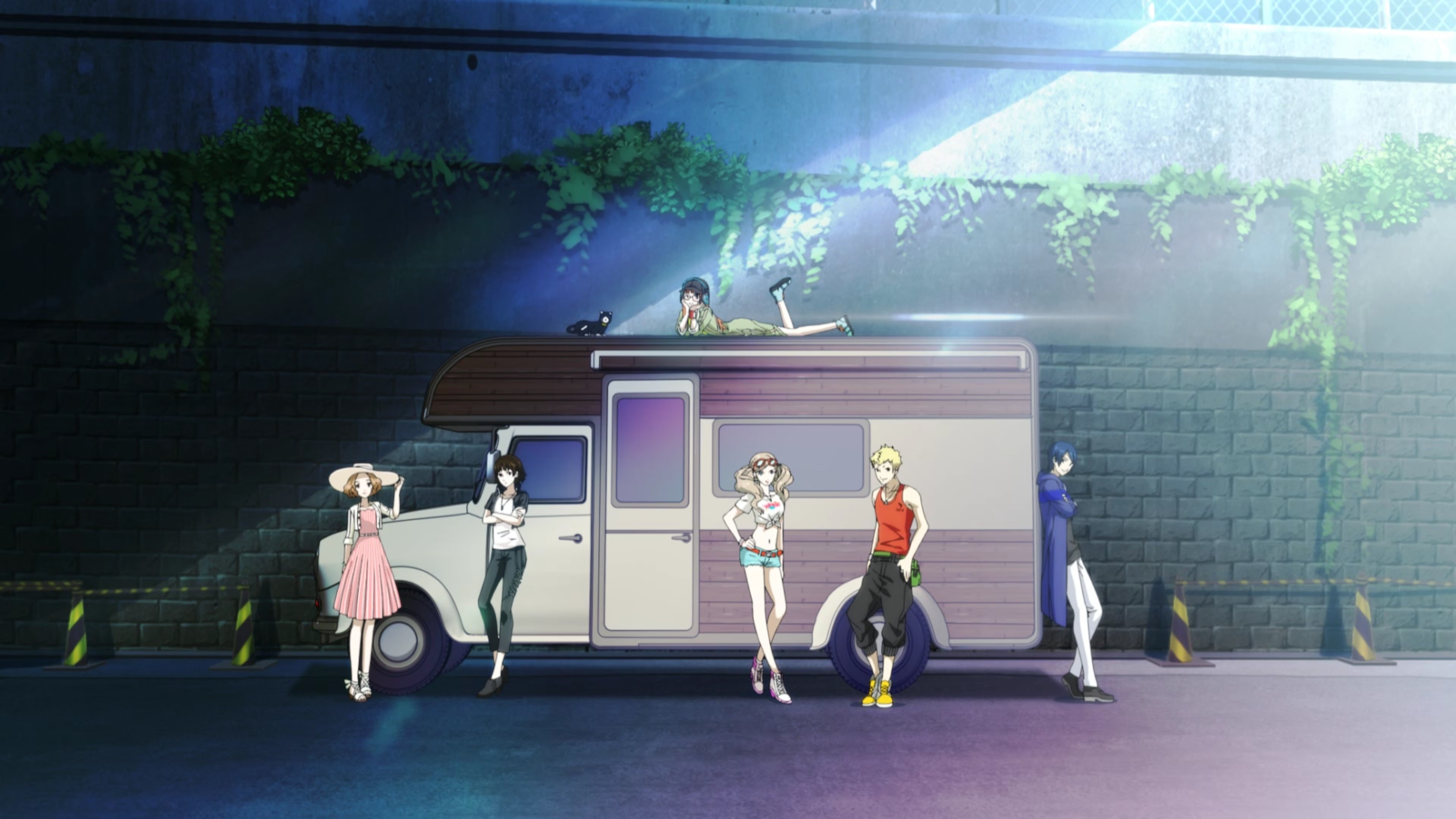
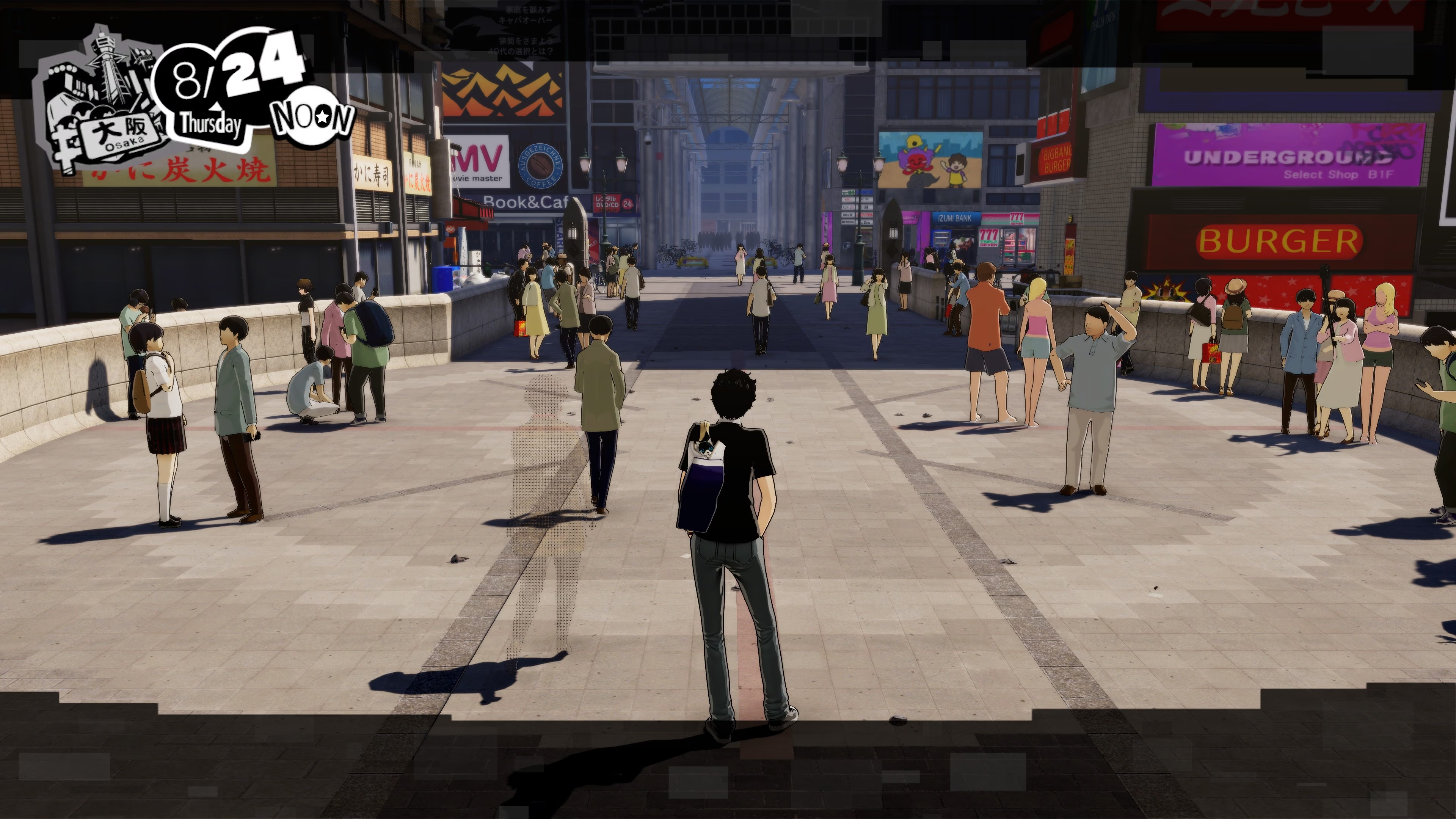
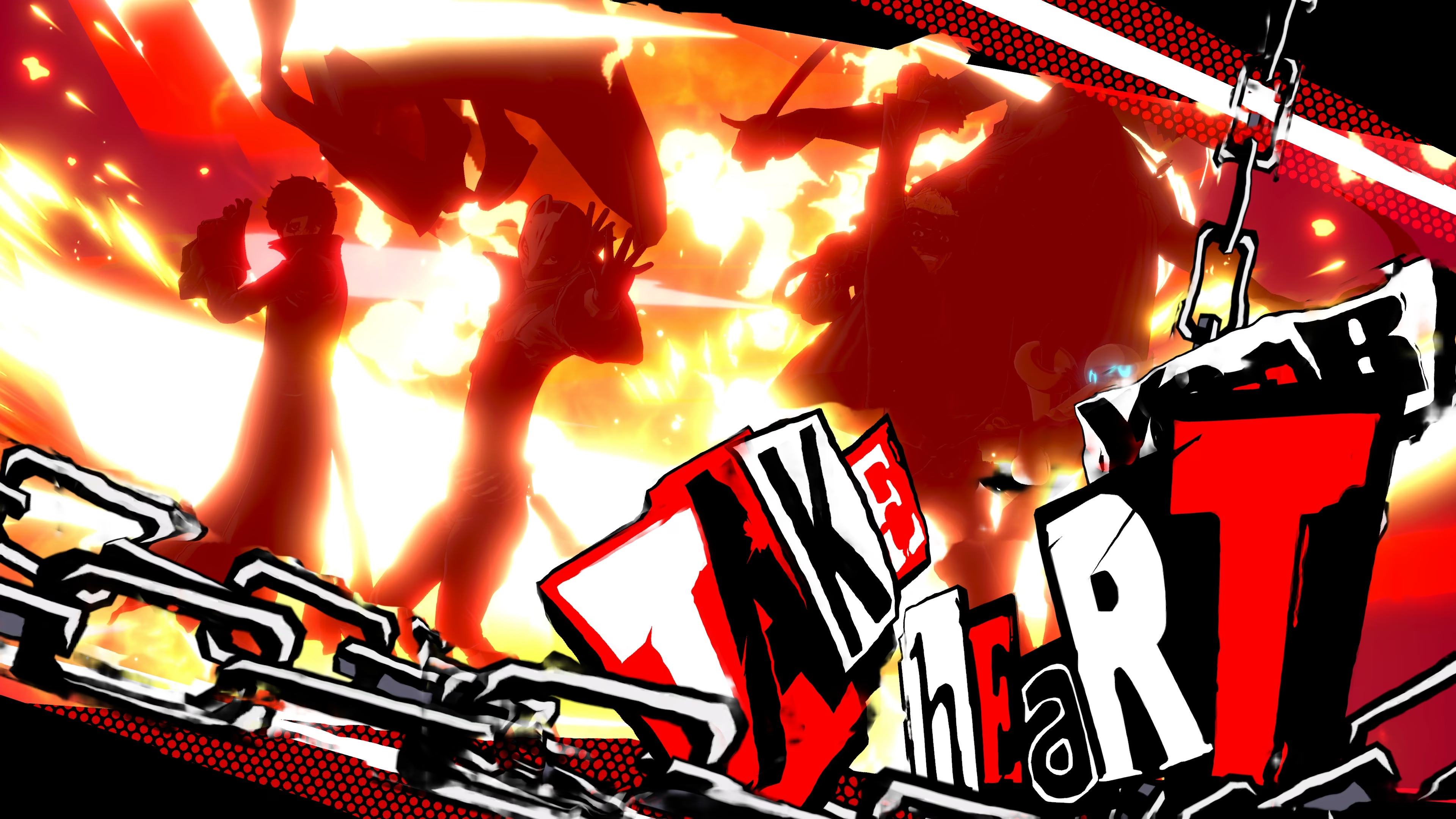
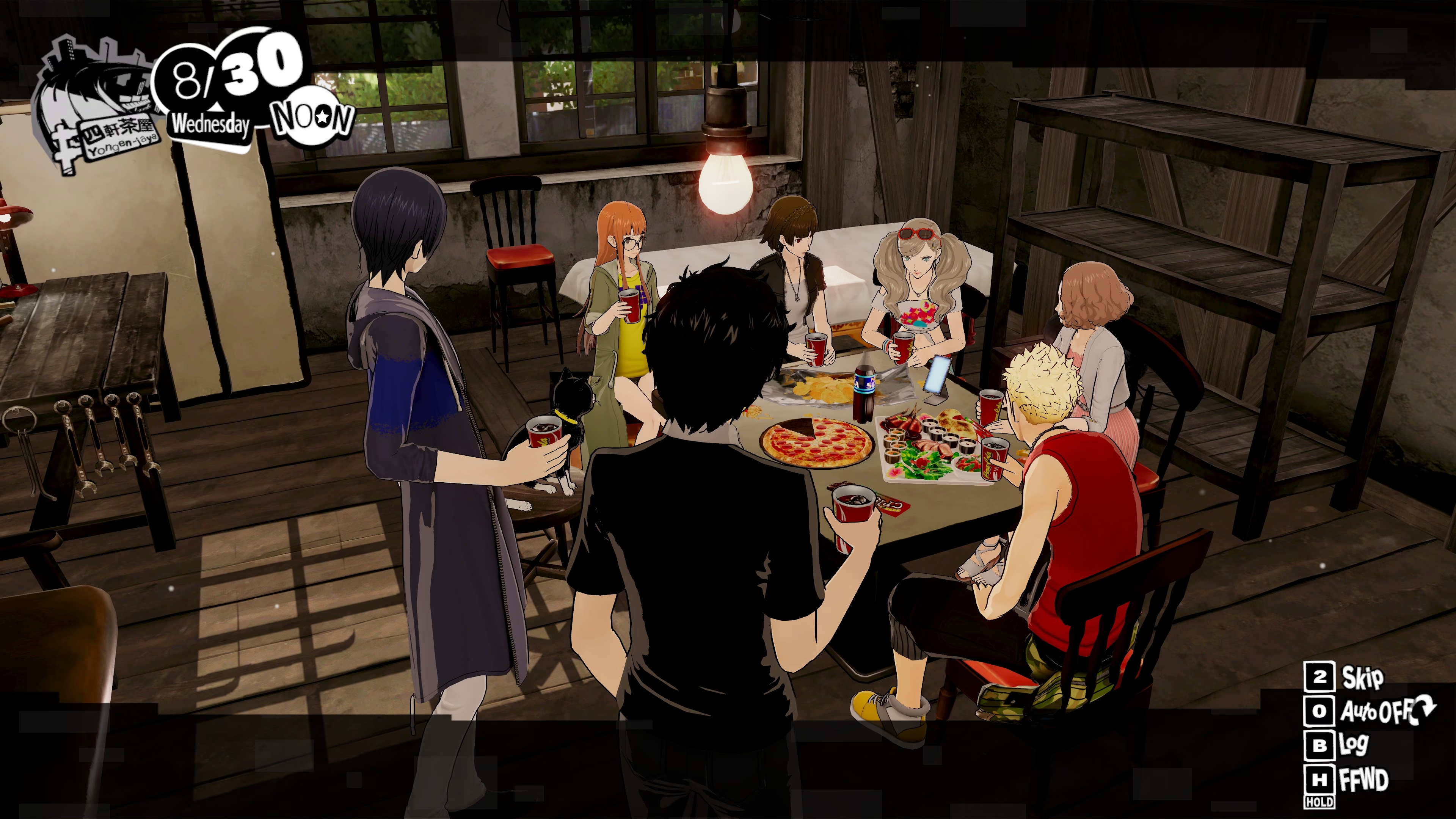
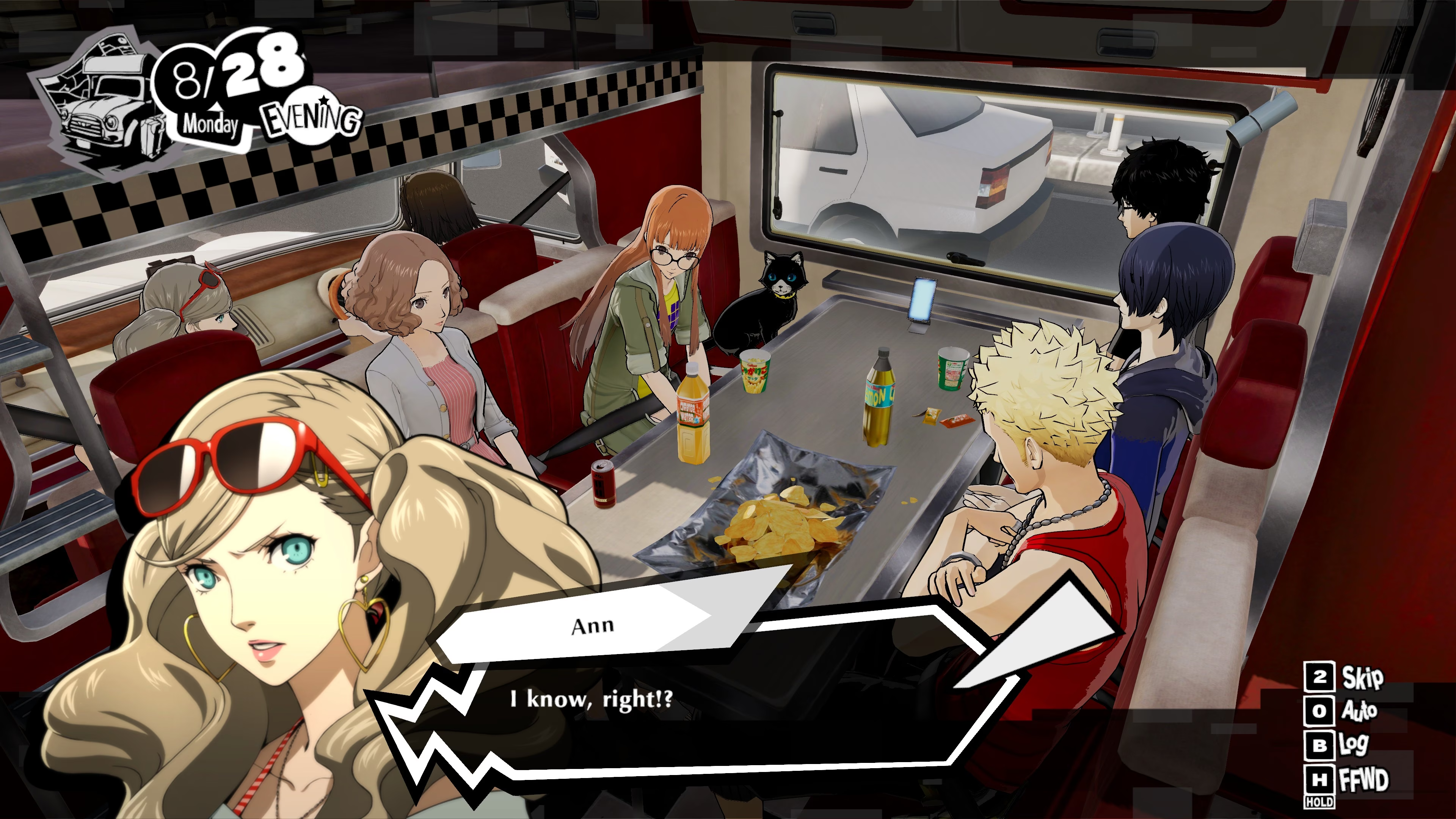
After dropping over a hundred hours into the masterpiece that was Persona 5 Royal, you’d think we’d all be burned out on the Phantom Thieves, especially after the Royal Edition. But Atlus wasn’t done. Persona 5 Strikers rolls up not as some cheap, slapped-together spin-off, but as Persona 5-2 in everything but name and combat. It trades the turn-based menus for frantic real-time action, giving us a summer road trip that feels incredibly refreshing, tightly focused, and surprisingly essential to the overall lore.
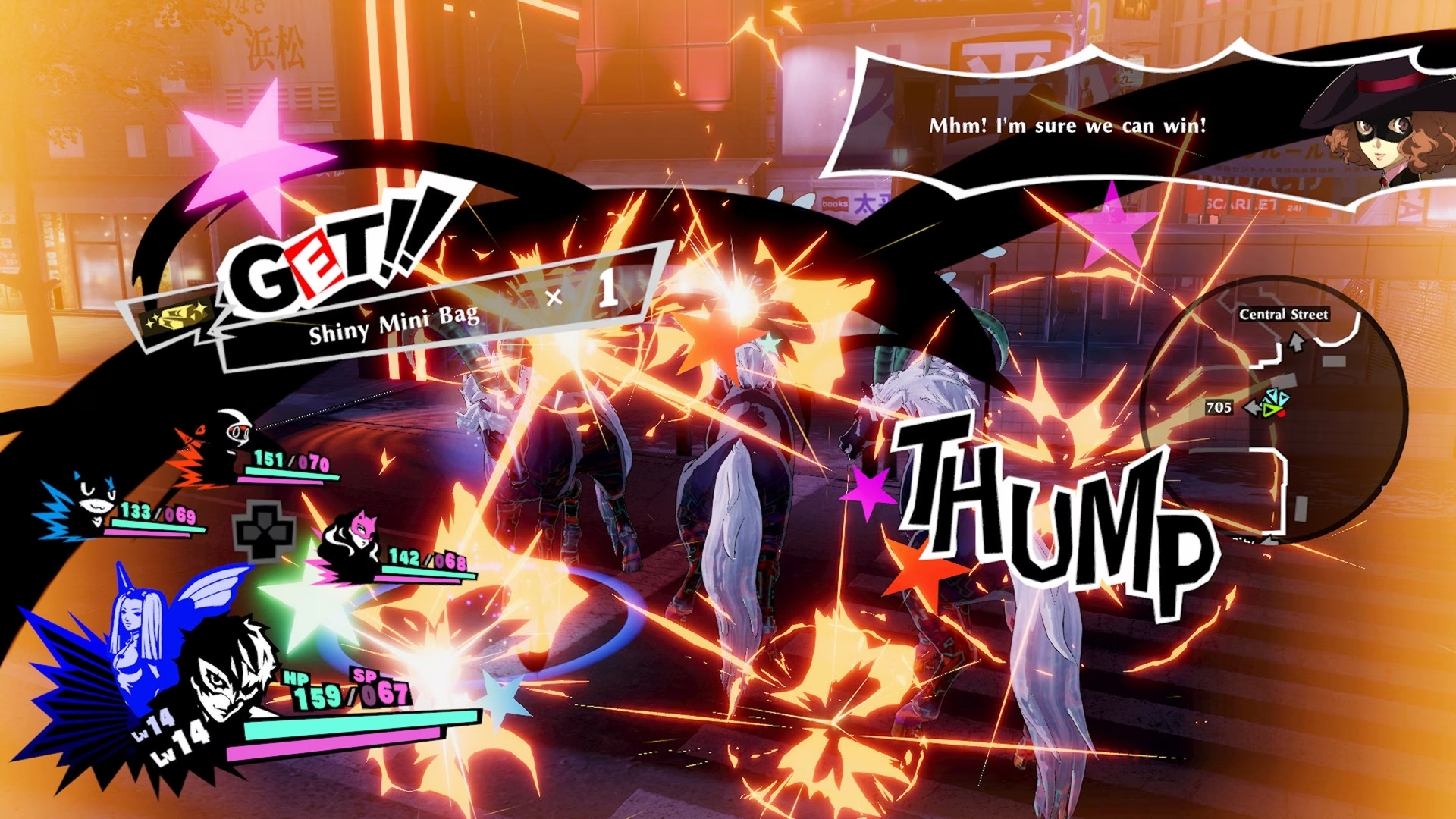
Let’s be real, shifting a beloved JRPG into a real-time action game usually results in a mindless button masher that’s well disliked by many. I went into Strikers fully expecting to just spam the attack button until the screen cleared. And honestly? The combat here is incredibly confusing at first. You are bombarded with flashy effects and hordes of enemies, making the early hours feel like pure chaos. But once it clicks, it really clicks.
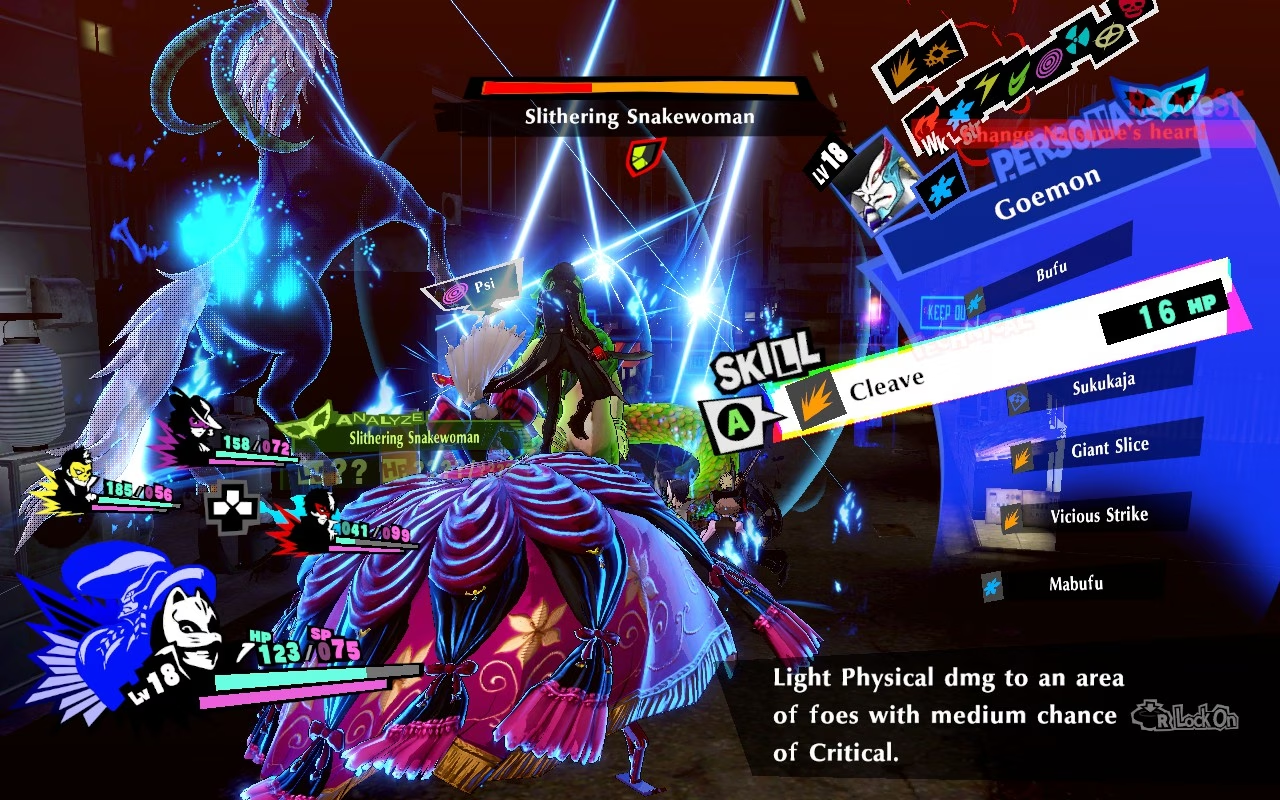
Atlus managed to take the very deliberate, menu-driven concepts of Persona 5 and translate them perfectly into a real-time brawl. Pulling off a Baton Pass mid-combo or setting up an All-Out Attack feels just as satisfying here as it did in the turn-based original. They even nailed the elemental weaknesses and the distinct tactical differences between single and multi-target damage skills.
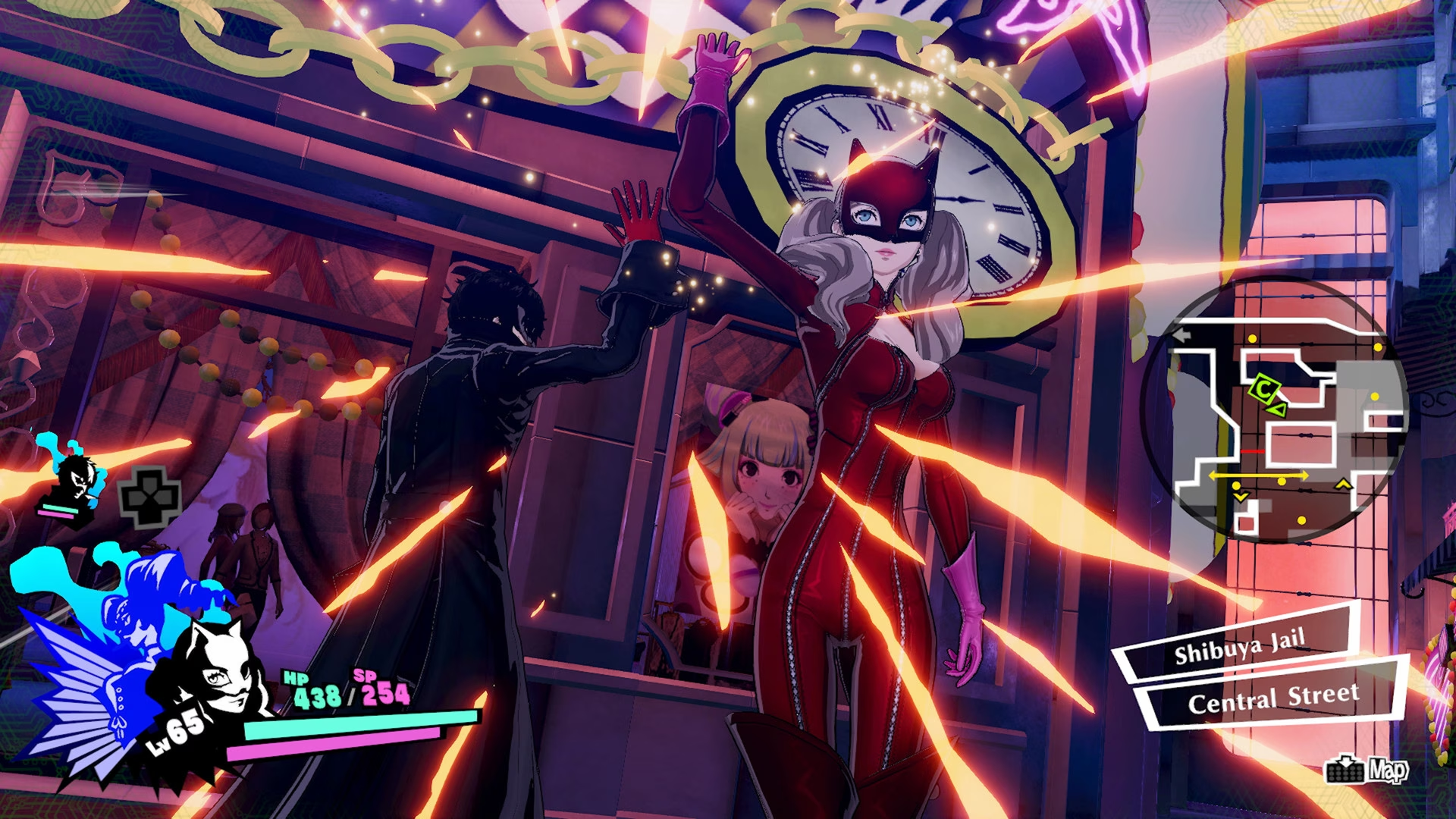
For anyone who hasn’t actually seen it in action, the game basically drops you into these massive, open Jails where you can still sneak around, ambush, and battle shadows. But instead of loading into a turn-based line-up, popping an ambush turns the area around you into a massive combat zone with dozens of enemies at once. It uses a classic hack-and-slash structure where you are mixing light and heavy attacks, but the brilliant part is how they integrate the Persona Mechanics into your physical combos. Hitting a specific combo string might end with Joker doing a massive spinning attack or instantly summoning Arsene to cast a free elemental spell without draining your SP. It completely removes the usual button-mashing fatigue because you are constantly looking for openings to trigger these combo-enders, expose enemy weaknesses, break enemy shields, and clear the screen.
They also totally nailed the distinct feel of the characters. You aren’t just playing as Joker with different skins; every single Phantom Thief feels entirely unique to play with its own moveset, skills, and Personas. You’re actually allowed to control the other characters for the first time, not just Joker. Swapping to Makoto to brawl through a crowd with her fists feels vastly different than using Haru’s heavy axe or gliding around with Yusuke’s katana. It flows so smoothly that, if I’m being completely honest, I actually like this combat system equally as much as the original turn-based mechanics. It’s just that good.
If you played the original, you know the unique stress of trying to max out your social links before the calendar runs out or a certain event comes up. After grinding both intricate dungeons and high school relationships for over a hundred hours in the predecessor, jumping into Strikers feels like a massive exhale.
This game is a completely stripped-down version of the Persona formula. You don’t have to worry about social links or hanging out with the right person on a Tuesday. You just go on a summer road trip and power through the story. The Jails (this game’s version of Palaces) are fully explorable, but you can jump in and out of them without wasting precious in-game days.
I don’t hate the slice-of-life elements in the mainline games at all, but removing them here was totally the right call. It feels so refreshing to just focus on the Phantom Thieves actually being a team without the constant, suffocating pressure of a ticking clock hanging over your head.
The road trip framing isn’t the only thing carrying the narrative. The story in Strikers actually hits even harder today than it did a few years ago because the entire plot revolves heavily around Artificial Intelligence. It feels incredibly relevant right now, and the new characters—both the allies joining the Phantom Thieves and the enemies you face—fold perfectly into the established crew.
Introducing new party members into a group that already has 100 hours of established chemistry is incredibly risky, but Atlus pulls it off flawlessly. They don’t feel awkwardly tacked on; their personal arcs are integrated deeply into the core theme of the game, making them feel like essential members of the family almost immediately, and they aren’t rushed to join the group unlike what happened with the original cast in P5, they actually take their time and the payoff is incredible.
But the biggest upgrade here is the antagonists. The original game gave us villains that were mostly just irredeemable, cartoonish scumbags (looking at you, Kamoshida). Here, the villains are actually given incredible nuance. You get to understand exactly why these “Monarchs” ended up ruling their respective Jails, making the narrative feel a lot more mature and way less black-and-white.
Because this game operates as a direct sequel, you go in already fully attached to this cast. The writing takes full advantage of that, with the entire narrative is built around a summer vacation, and there is this creeping dread as the road trip goes on because you know it eventually has to end.
The pacing of the late-game narrative brilliantly manipulates these emotions. You get these massive emotional highs, incredible hangout sessions, and quiet moments that feel like the game is wrapping things up and getting ready to send everyone home. It creates this wild emotional rollercoaster where you just don’t want to let go of the controller.
It throws so many farewell moments at you, constantly keeping you guessing about when the journey actually ends. It completely caught me off guard with how deeply it hooked me through pure, good writing. It gives you all the frantic hacking and slashing you could want, but pairs it with an emotional weight that makes saying goodbye to this cast all over again genuinely tough.
Persona 5 Strikers is another masterpiece from Atlus, because it knows exactly what it wants to be. It respects the hundreds of hours you already spent with these characters and rewards you with a focused, high-octane reunion that skips the high school drama and goes straight for the heart. It proves that the Persona games doesn’t even need a school setting to steal the show—they just need a good road trip and a whole lot of style.