
An Indie Life Sim Contender That's Potentially Coming for the Crown
Paralives - Early Access Review
By lyndonguitar
Published on May 31, 2026 review
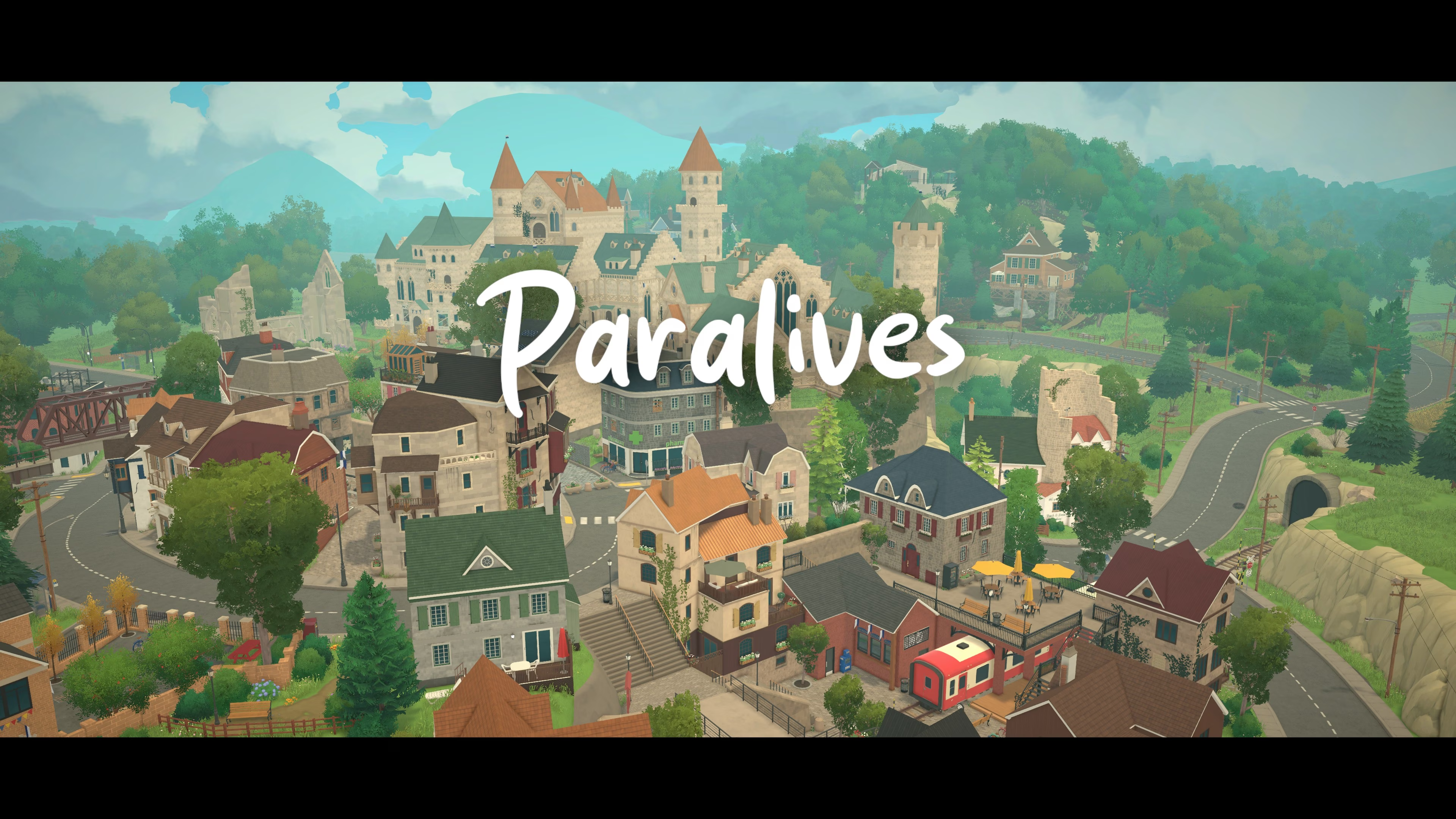
For two decades, a single corporate juggernaut has held the life simulation genre hostage. We’ve been starving for an alternative, living off breadcrumbs and endless expansion packs. Even a sequel for that game series is unlikely. But suddenly, the last two years has been a treat for Life Sim fans. On one side, you have Krafton’s inZOI delivering terrifyingly photorealistic, Unreal Engine 5 corporate firepower. And on the other, you have Paralives—a new, scrappy, hand-drawn-esque indie game built by people that feels like they understand the soul of the genre. Booting up the freshly dropped Early Access build of Paralives feels like stepping into a true modern successor with a touch of Indie flavor. But it is also, undeniably, a very rough draft.
Editor’s Note: This review/preview is based on an Early Access build of Paralives as of May 2026. Because the title is still in active development, our assessment reflects the current state of gameplay, mechanics, and technical performance, all of which are subject to change prior to the official retail release.
🧬 The entirely unrestrained character creator lets you organically sculpt everything from body fat down to the exact curvature of your character’ nose using intuitive drag-and-drop UI. Not only that but also their personality ranging from sleep schedule to cleaning habits.
🎯 Dynamic daily wants and goals inject actual gamification into the daily life sim gameplay.
🗣️ Meaningful conversation mechanics give you active choices rather than forcing you to watch avatars blindly babble gibberish at each other
🖌️ An incredibly powerful color wheel system drastically expands a currently limited furniture and clothing catalog by letting you colorize everything
🔥 Violently unoptimized and heavily CPU-bound performance will aggressively punish players regardless of CPU specs
🐌 Agonizingly long loading times
🧱 Rampant bugs and issues that constantly remind you that the game is still deeply in the oven
☁️ The complete lack of cloud saves and controller support alienates the massive handheld PC market
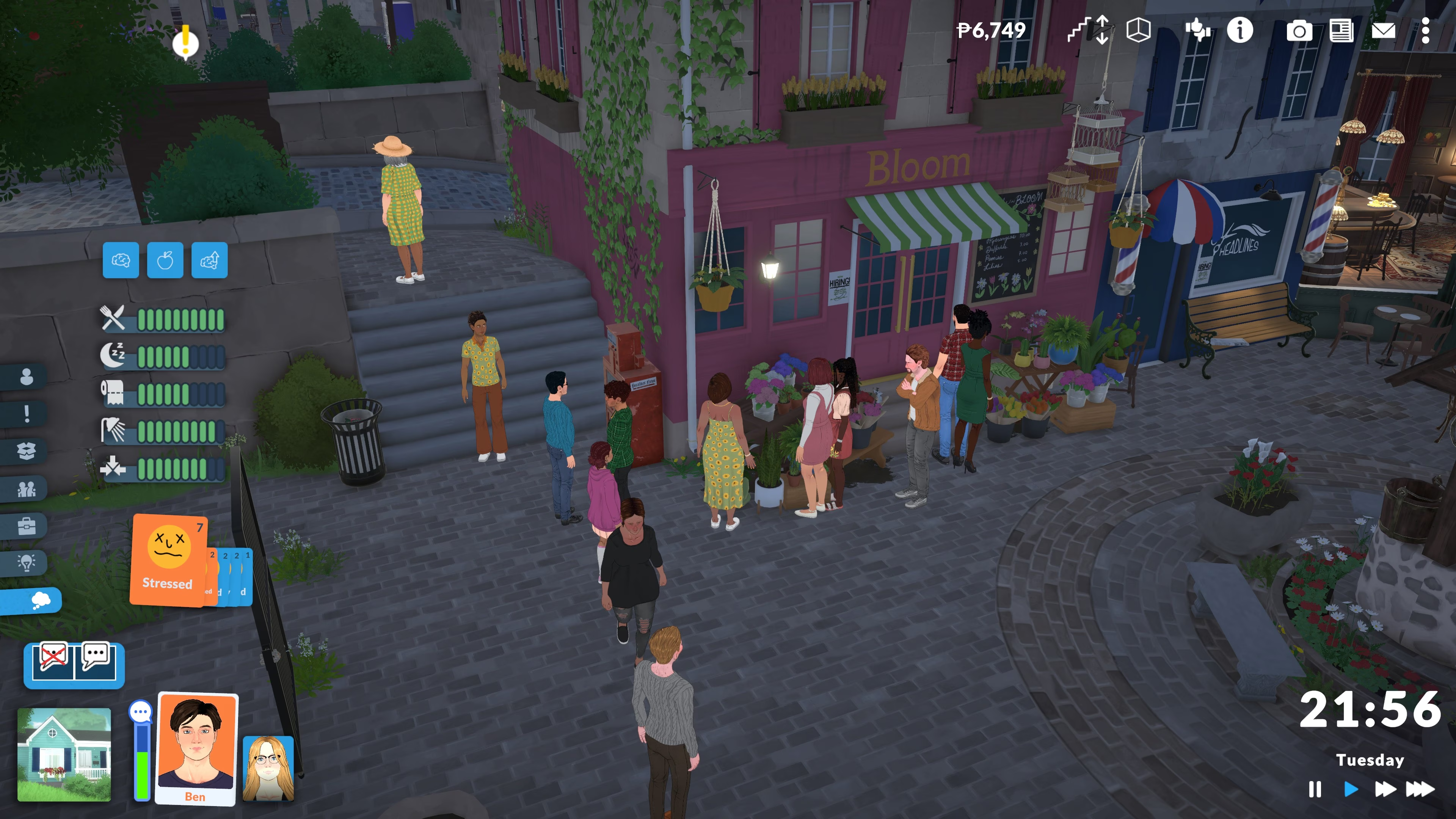
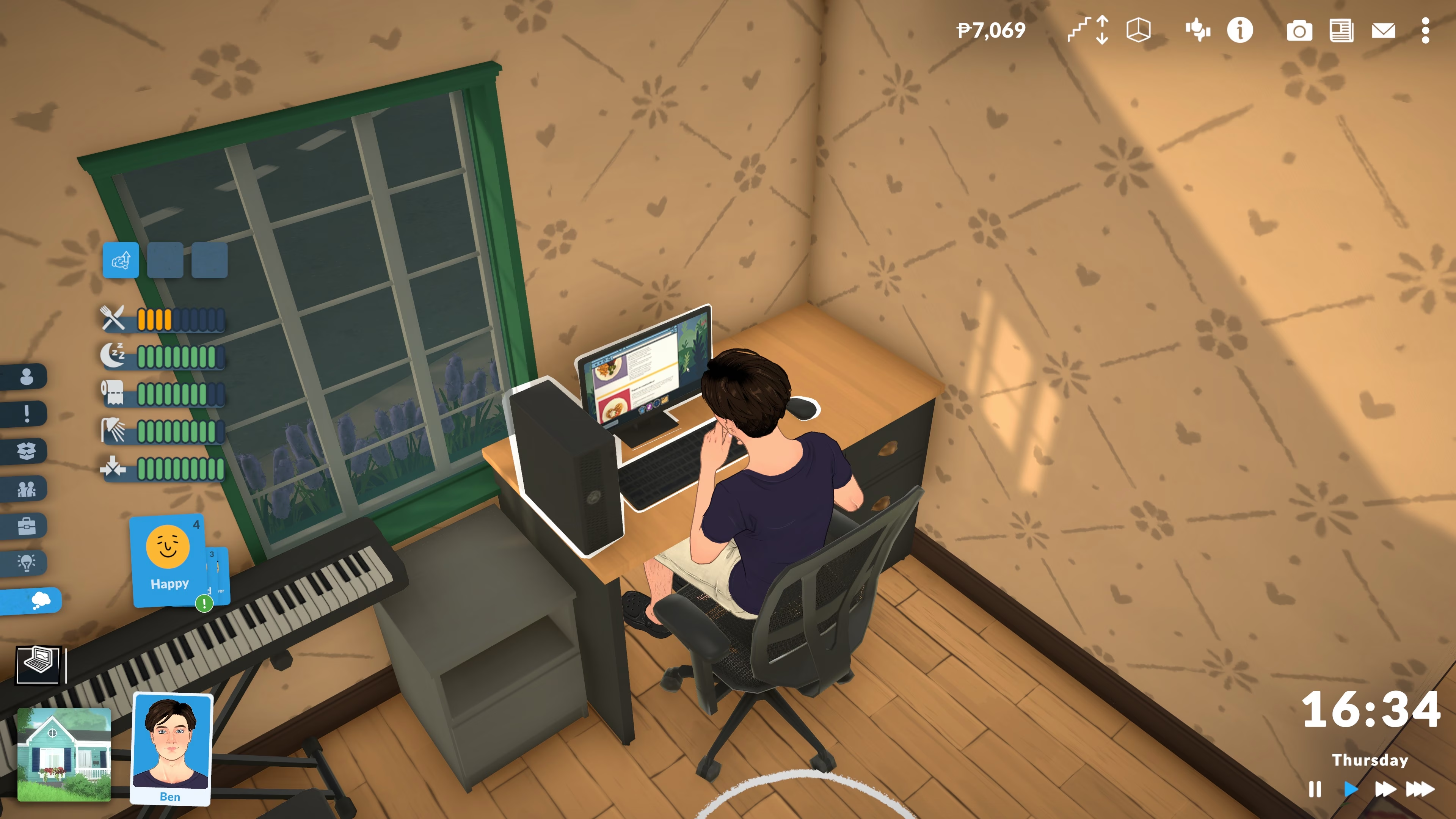
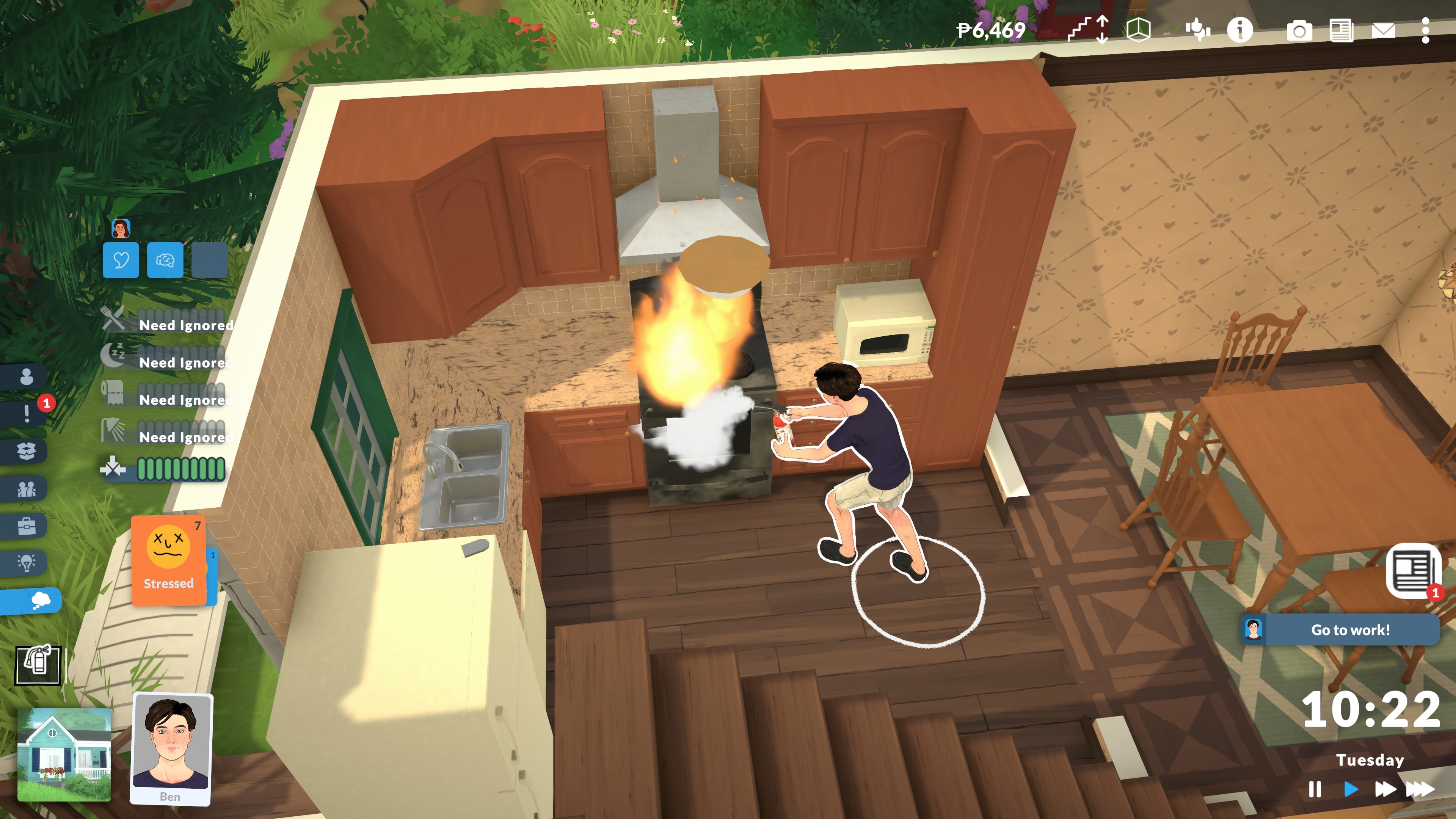
We all know the standard setup by now. You build a house, you manage some bladders, you send little digital people off to work, and you try not to set the kitchen on fire. Paralives doesn’t throw out this sacred loop. My Para actually set his Kitchen on fire while prepping on his first day of work, it was actually hilarious to see that kind of scene once again.
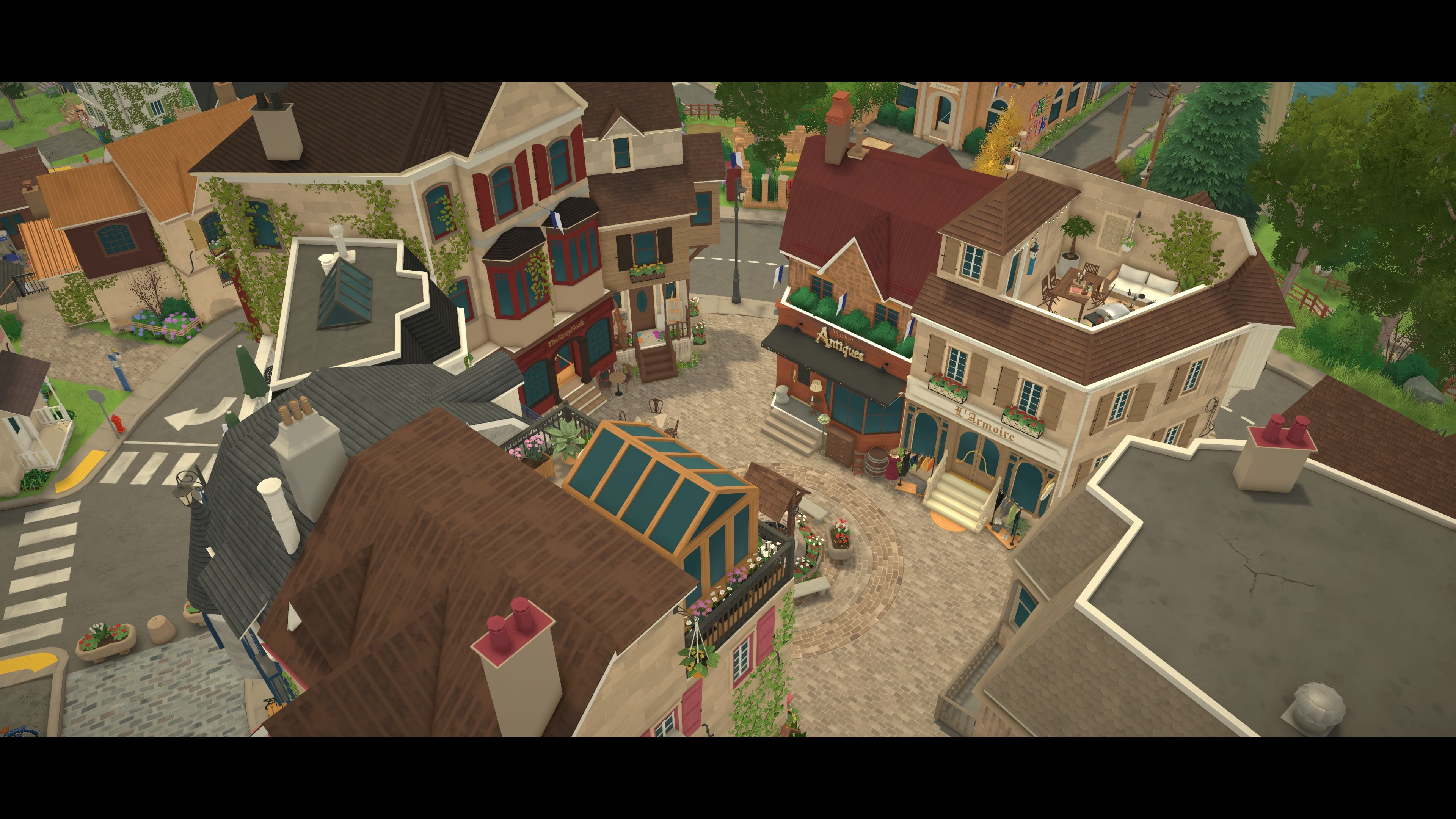
However, not everything is exactly the same, Instead, it rebuilds the foundation entirely from the ground up, placing a hyper-focus on player autonomy and granular, micro-level control. Where inZOI wows you with ray-traced reflections on a high-rise window, Paralives hooks you with the coziness of its stylized, European-comic aesthetic.
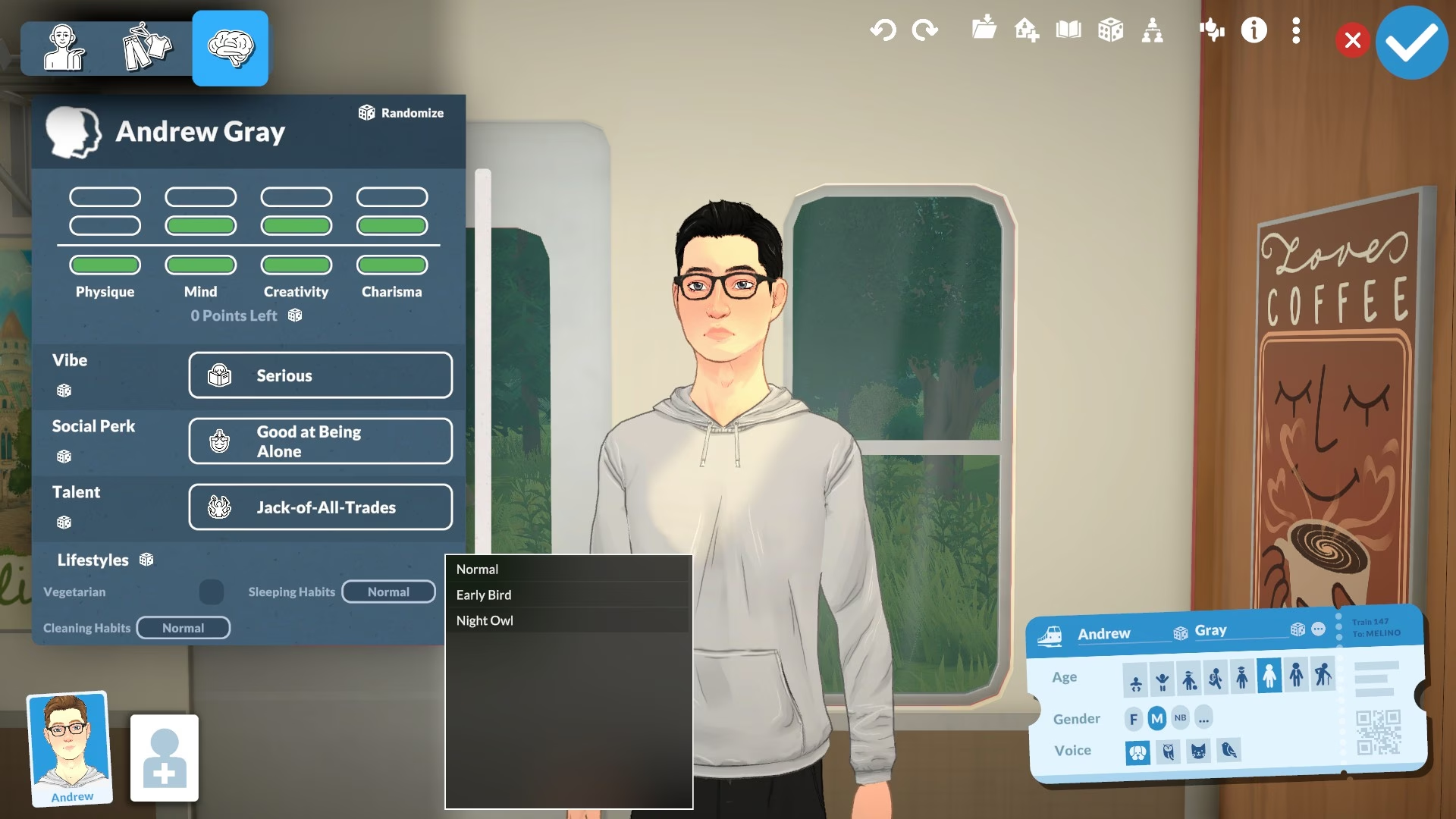
Let’s get one thing straight right out of the gate: they completely nailed the character creator system (called the Paramaker). I have already lost an embarrassing number of hours just tinkering in this menu before even touching the actual gameplay. The sheer comprehensiveness of the toolset surprised me especially for an Early Access release. You aren’t just picking from pre-set jawlines or scrolling through five generic noses. You can completely customize the exact mold of specific body parts.
Want to realistically distribute body fat rather than just sliding a master “weight” toggle? Go for it. The UI is remarkably intuitive, giving you the choice to either dial in exact numbers for surgical precision or physically drag features around the model. And crucially, even if you choose the tactile, free-form dragging motion, the game smartly overlays a square grid reference visual. You never lose your sense of proportion. It’s a perfect example in giving players total aesthetic freedom without making the interface feel like a spreadsheet. Even non life sim games should take notes from this one
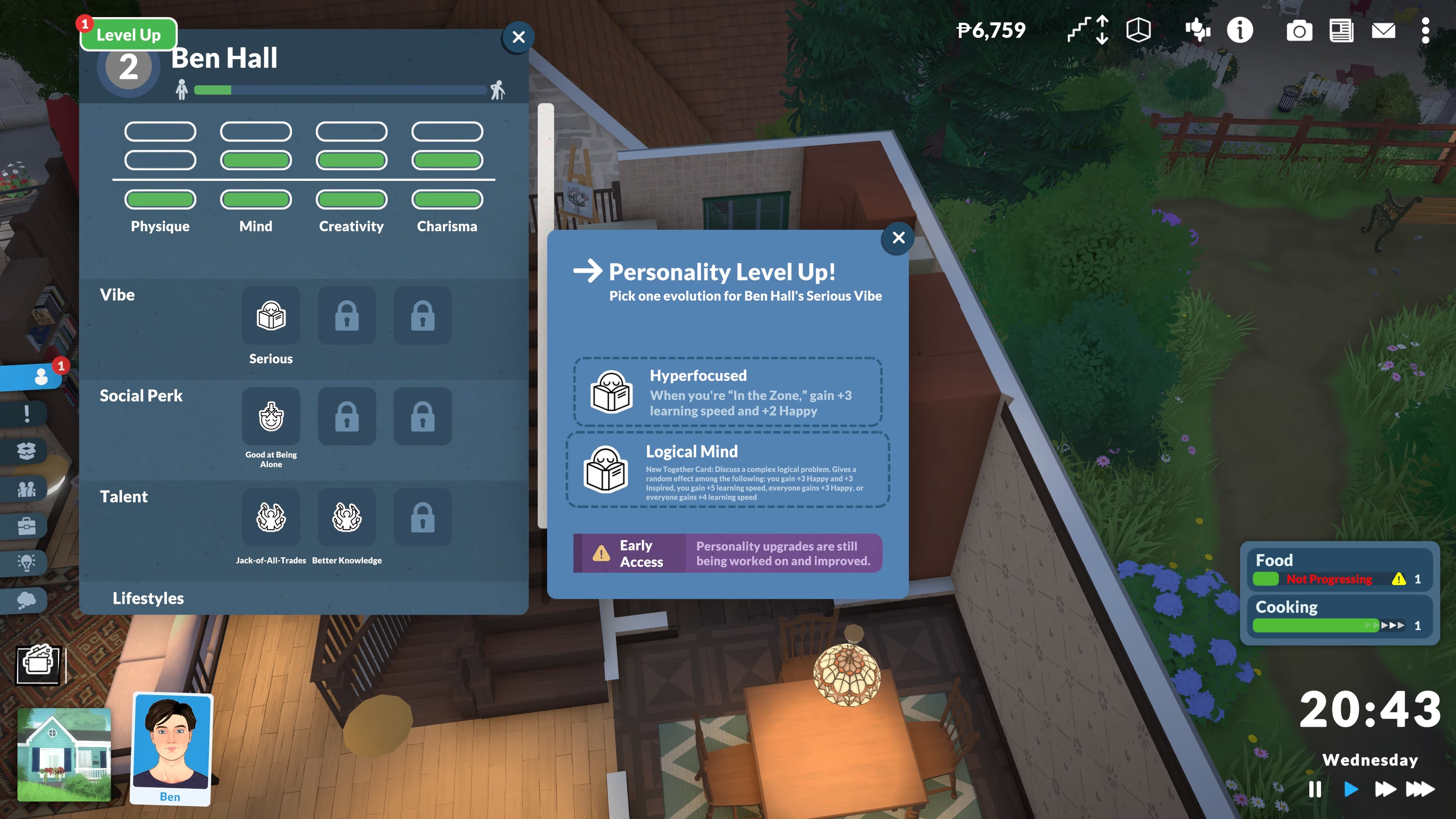
Where Paralives truly attempts to assassinate the competition is in the psychological depth of its characters. The personality aspect is significantly more complex than anything I remember the older life sims attempting. You aren’t just assigning “Clumsy” and “Romantic” traits and calling it a day. You can strictly define your Para’s ideal sleep schedule. You can dictate their inherent cleaning habits. You can map out their exact thresholds for introversion.
This results in a unique Para that actually behaves differently from the neighbors down the street. It better represents real people, allowing you to create a more accurate digital counterpart of yourself—or your absolute worst nightmare of a roommate.
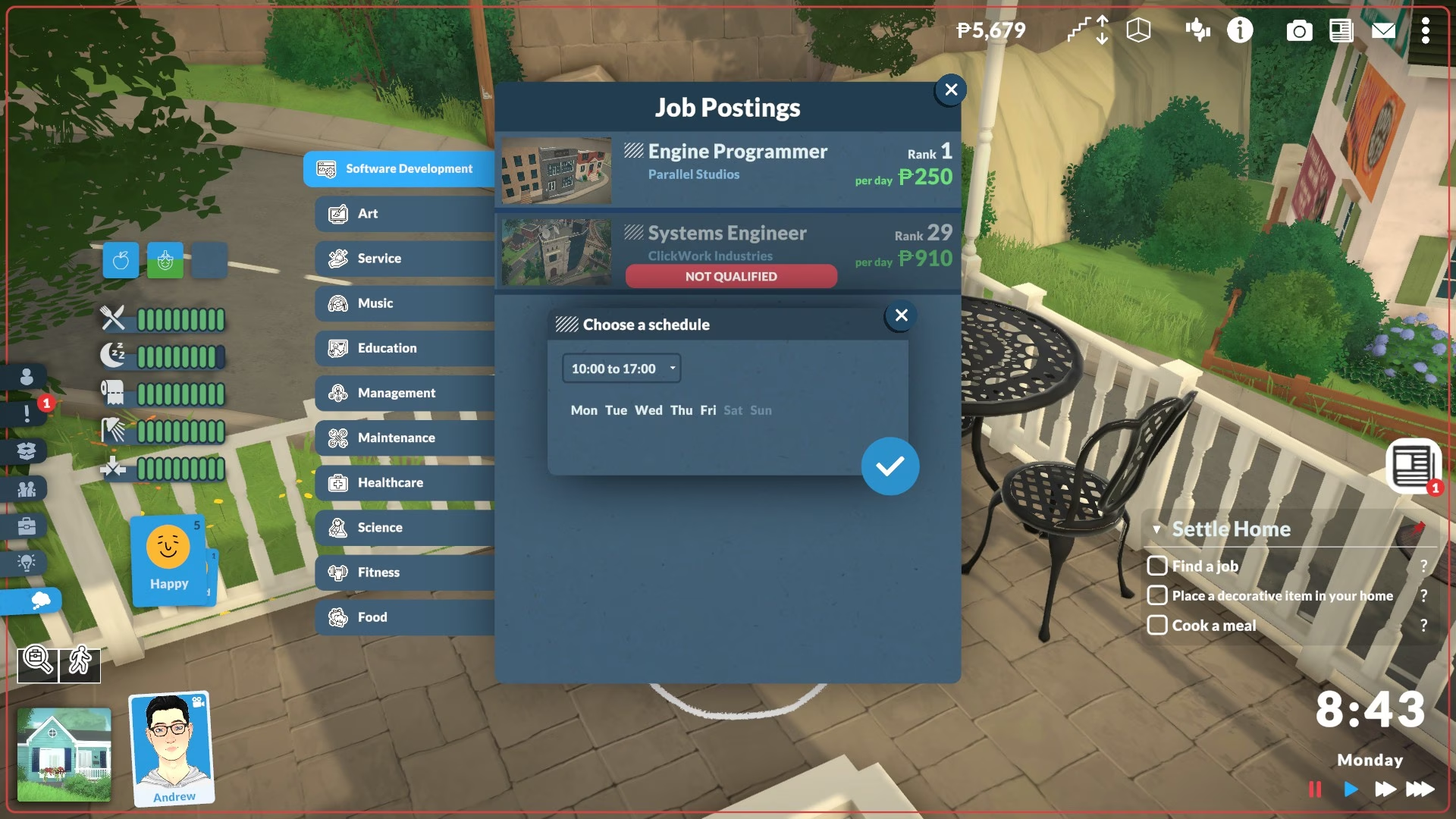
This behavioral depth directly feeds into the game’s actual mechanics. Paralives introduces some desperately needed gamification through short-term wants that dynamically react to your Para’s personality and their current situation. You might suddenly get a pop-up offering three immediate objectives: earn some cash, flirt with someone, or splurge on new stuff. It gives you an actual reason to play the game actively.
Furthermore, conversations are significantly more interactive. You are handed actual dialogue choices and genuine gameplay opportunities. This completely replaces the boring, archaic standard of just issuing a macro command and watching two digital characters wave their hands at each other while a relationship bar artificially ticks upward. Although, I would say the variety of choices and options in the conversationss are currently lacking right now.
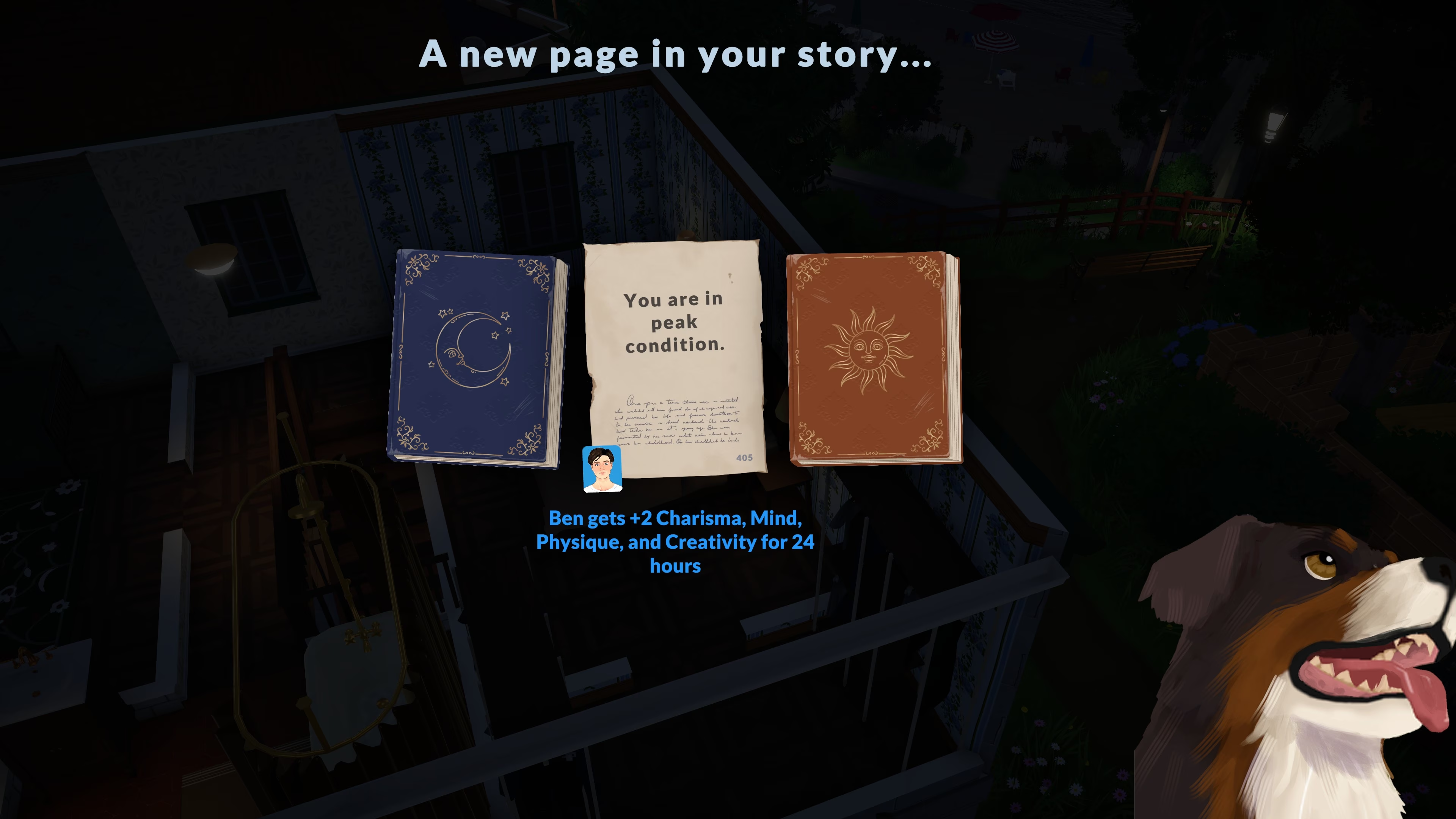
One of the most fascinating addition to the Paralives formula is the Storyteller system. It’s an ingenious way to handle difficulty modifiers by framing them as distinct personalities watching over your town, like a Director. You pick from predefined “narrators” before you start—like the ruthless Ricardo or a literal dog named Stella. Although you can still customize their to your preferences.
The Storyteller will dictate the baseline rules of your save file or playthrough, adjusting everything from your starting cash to whether your Paras are smart enough to automatically use the bathroom at work. However, they don’t just sit in a settings menu. Every night while your Paras sleep, your Storyteller pops up to hand you “Story Cards” to choose from. These cards inject random buffs, narrative curveballs, or fresh objectives that keep the day-to-day routine from ever feeling stale. It ensures that the simulation is doing something for you, either gently pushing back against your plans or giving you a break. It’s a massive breath of fresh air for the genre that spices up the life of your Paras in more ways than usual. Again, many things in this game are more gamified and more interactive.
Currently, there is undeniably a limited selection of actual items and variants in the game. The architectural foundation is beautiful, but the catalog feels noticeably thin.
However, the development team has implemented a brilliant stopgap: absolute color control. The ability to seamlessly customize the colors and textures of almost all items, furniture, decor, and clothing helps tremendously in stretching out the existing content. It makes a tiny catalog feel massive. Still, I have to be honest—the game desperately needs more varieties of unique physical items. The lack of diverse clothing, specifically, becomes glaringly obvious once you start to creatively fashion your Paras. You can only dye the same t-shirt so many times before everyone starts looking like they shop at the same dystopian boutique.
Now, we have to talk about the ugly side of Early Access. This game is still incomplete and still needs a lot more time in the oven. It is incredibly CPU heavy and violently unoptimized. If the developers intend to reach a wider audience base—specifically the cozy gaming crowd who often play on relatively weak, non-gaming laptops—they have a massive mountain to climb. The performance is currently rough. It lags a lot, and the long loading times are VERY noticeable. Both in loading a game session and also while loading interiors of the buildings you visit.
Then there is the sheer jank. Paralives is unfinished, and you will run headfirst into a wall of bugs. I experienced severe clipping issues, frustrating pathing problems, and characters getting completely stuck in endless animation loops. The absolute most annoying quirk? Paras will completely drop whatever task they are doing and stand perfectly still the second you click to talk to them. Even if your active character is still on the other side of the neighborhood, the target NPC just freezes like a deer in headlights waiting for you to arrive. It completely shatters the illusion of a living, breathing world.
Looking ahead, the development team needs to prioritize a few specific quality-of-life updates to truly capture their target demographic.
First and foremost: high priority must be given to full controller support. The life-sim market overlaps heavily with the cozy gaming demographic, a massive chunk of whom are currently playing on PC handhelds like the Steam Deck or the ROG Ally or even the Nintendo Switch 2. A game like this is prime real estate for a couch-and-blanket session (or an eventual Switch 2 version), and right now, the lack of gamepad functionality hurts.
Tying directly into that is movement. We desperately need an option to control the character directly via WASD or an analog stick like in classic Sims games for consoles. Issuing point-and-click commands is fine, but directly walking your Para through their house would elevate the immersion immensely.
Aside from the general bugs and jankiness that currently exists, the current lack of cloud saves is very noticeable. I played this on multiple devices and absolutely nothing got carried over. And basic QoL tweaks—like allowing players to simply double-click the terrain to activate a “run to point” command—would smooth out the moment-to-moment navigation immensely.
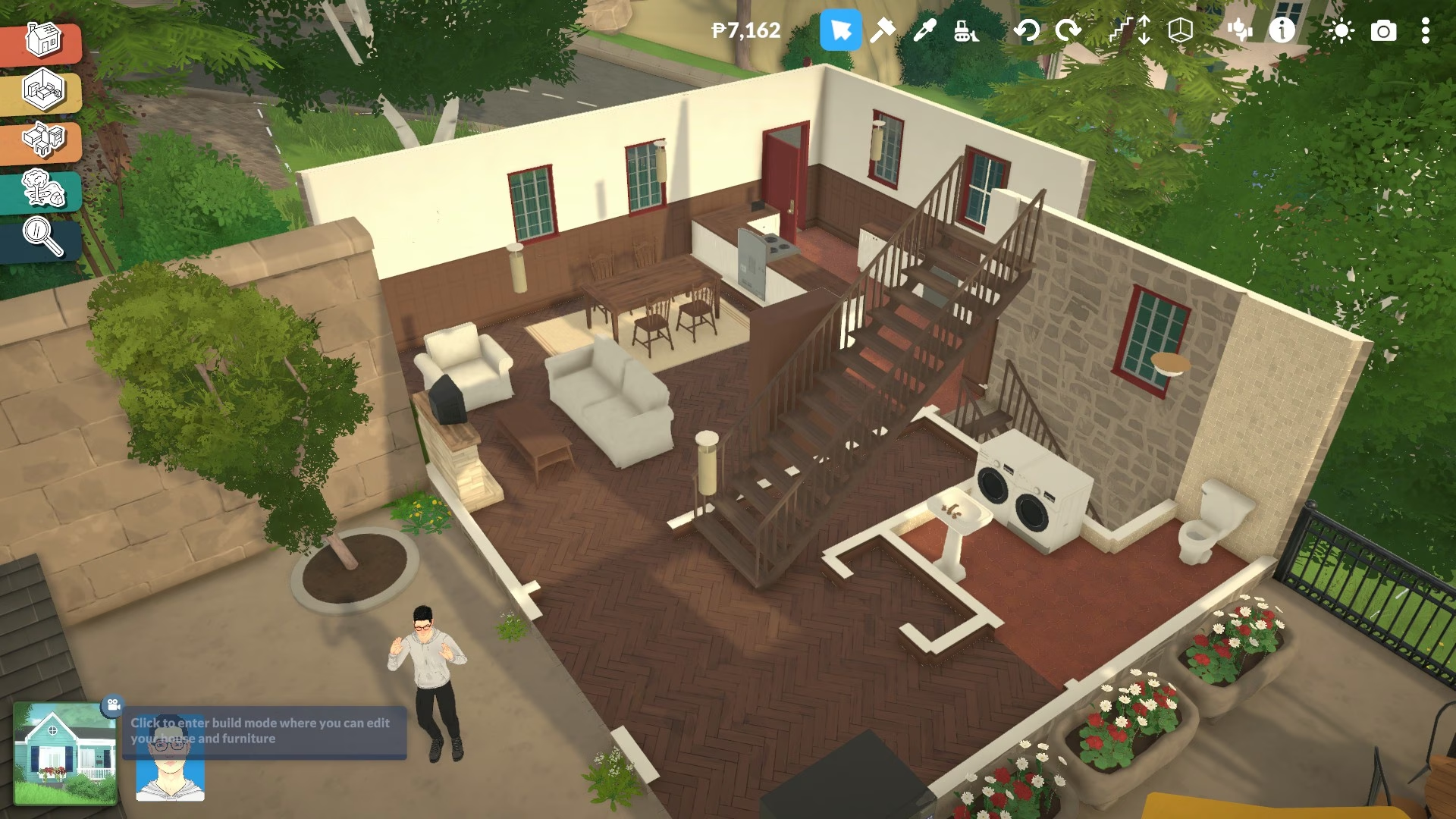
Paralives is already incredibly enjoyable and highly playable in its own unique way, even if for a short bit. Even in its absolute infancy, just populating a room, building a house, or exploring the starting town is already fun. The passion poured into this project is palpable in every hand-drawn shadow and clever UI menu.
You can absolutely purchase now to support the devs, but my definitive recommendation is to wait before playing,
Wait for more optimization updates, or perhaps hold off until the official 1.0 release before you commit to a serious, hundred-hour playthrough. If you want to support the developers and test out the incredible Paramaker, absolutely buy it right now. Provide feedback. Break the systems. But if you are looking to lose yourself in a flawless, seamless second life without fighting the framerate and jank, reserve your full playthrough experience for further down the line. The blueprints for a masterpiece are all here on the table, but the paint is still very wet.