Kept me waiting, huh? | METAL GEAR SOLID 4: Guns of the Patriots - Master Collection Version Review
8.5
Metal Gear Solid 4: Guns of the Patriots is an essential masterpiece for long-time fans, delivering a profoundly emotional and cinematic send-off for one of gaming's greatest icons.
I loved Metal Gear Solid 1, 2, and 3 to death. I played them endlessly as a kid, but when Metal Gear Solid 4 dropped, I didn’t have a PS3. Years passed, I drifted from the franchise, and I kind of ignored MGSV and let it fly completely under my radar.
Recently, the stealth-espionage itch came back. I heavily considered emulating MGS4 but held off, refusing to deal with a non-native experience. I wanted a native port. Thankfully, Konami finally delivered with the Master Collection Vol. 2. I grabbed the standalone version of MGS4 the second I could. Getting to finally experience the legendary MGS4 on modern hardware was worth the agonizingly long wait, 18 years to be exact.
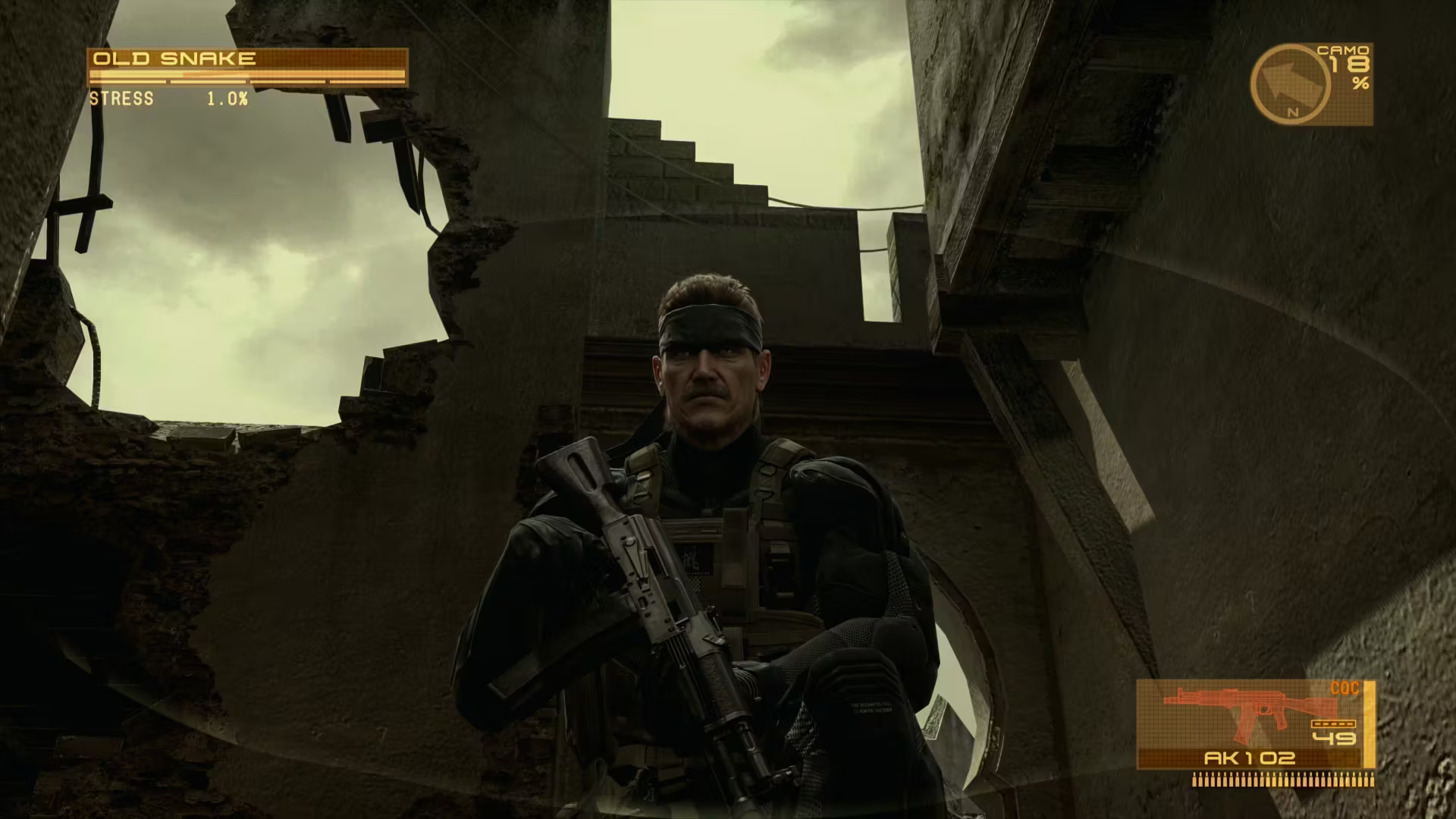
If you’re somehow completely new to the franchise reading this review, Metal Gear Solid 4: Guns of the Patriots is the chronological conclusion to the Solid Snake saga. You play as an aging “Old Snake” in a near-future world where war has become a privatized, heavily regulated corporate economy fueled by nanomachines. Your ultimate goal? Hunt down your archenemy and stop his insurrection once and for all.
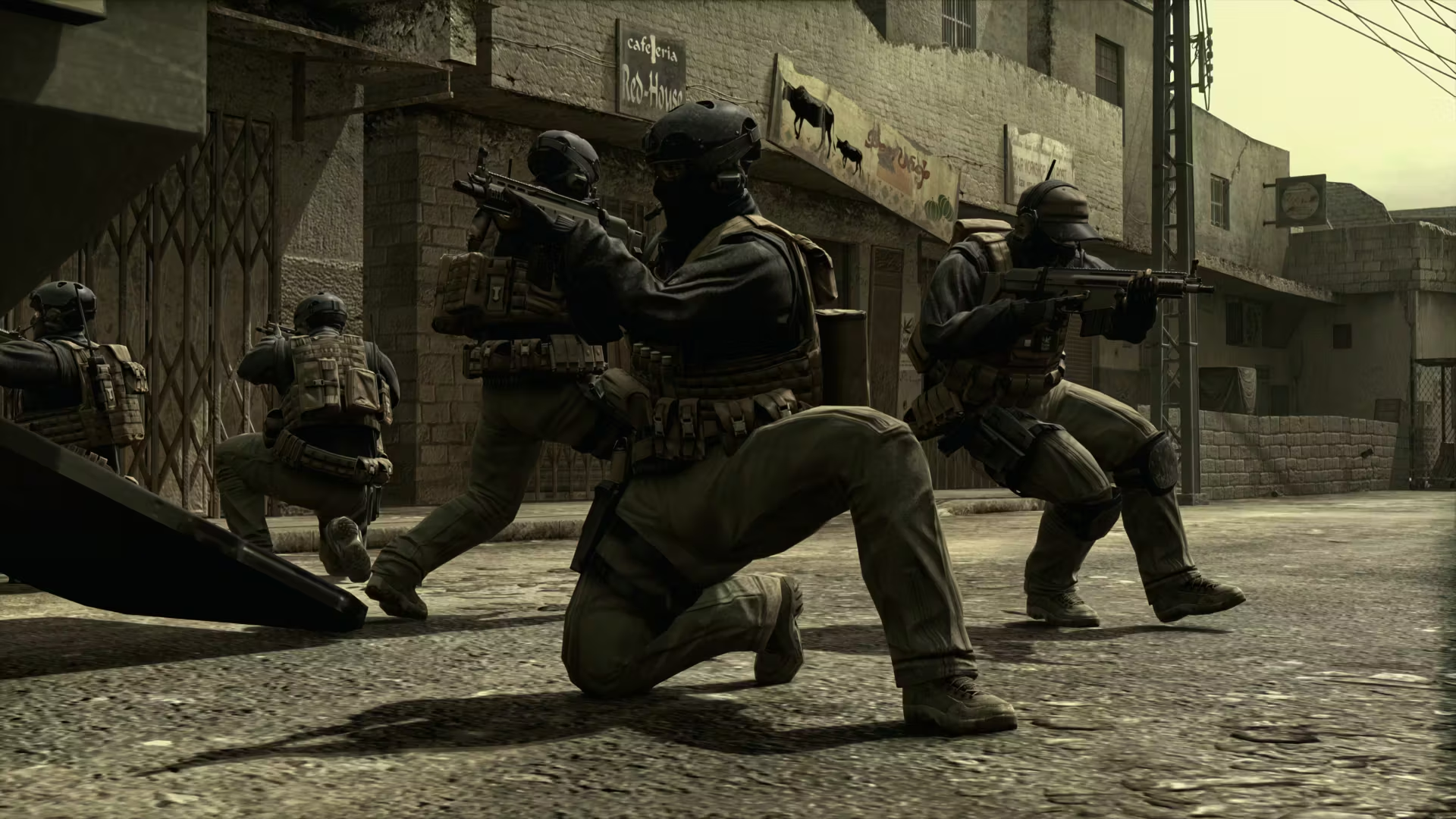
The moment-to-moment gameplay drops you into active warzones across the globe. You use the “OctoCamo” — a suit that dynamically shifts to match your environment — to sneak past highly trained PMCs, managing your stress levels, swapping between lethal and non-lethal weapons, and engaging in close-quarters combat (CQC). It’s a dense, tactical stealth-action game seamlessly interwoven with feature-length, cinematic cutscenes, or was it a movie seamlessly interwoven with some interactive gameplay elements?
Pros
🎯Acts as the ultimate “series finale,” beautifully tying up decades of complex lore and character arcs.
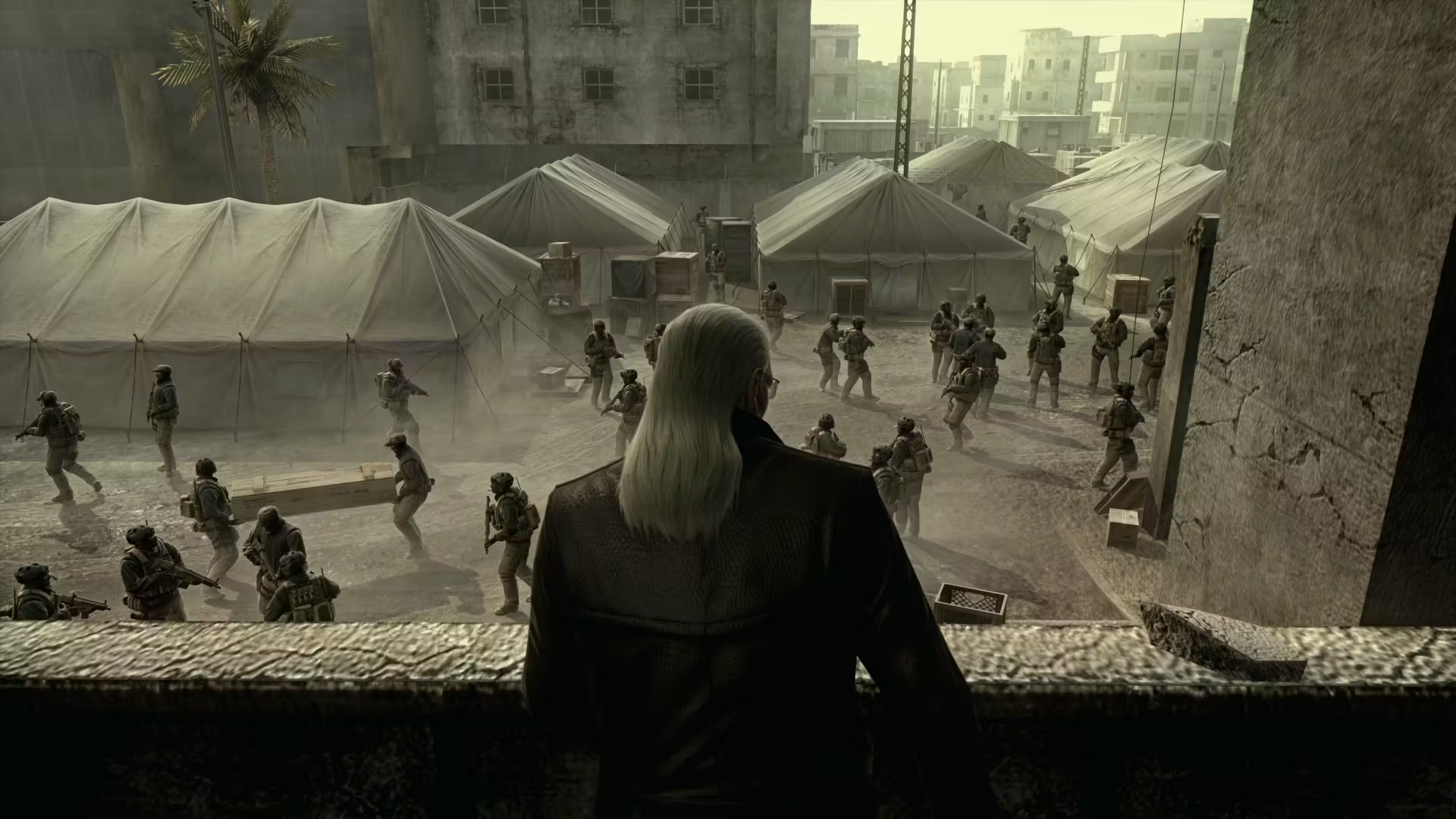
🎥 The cinematography and dramatic framing still run circles around many modern AAA releases.
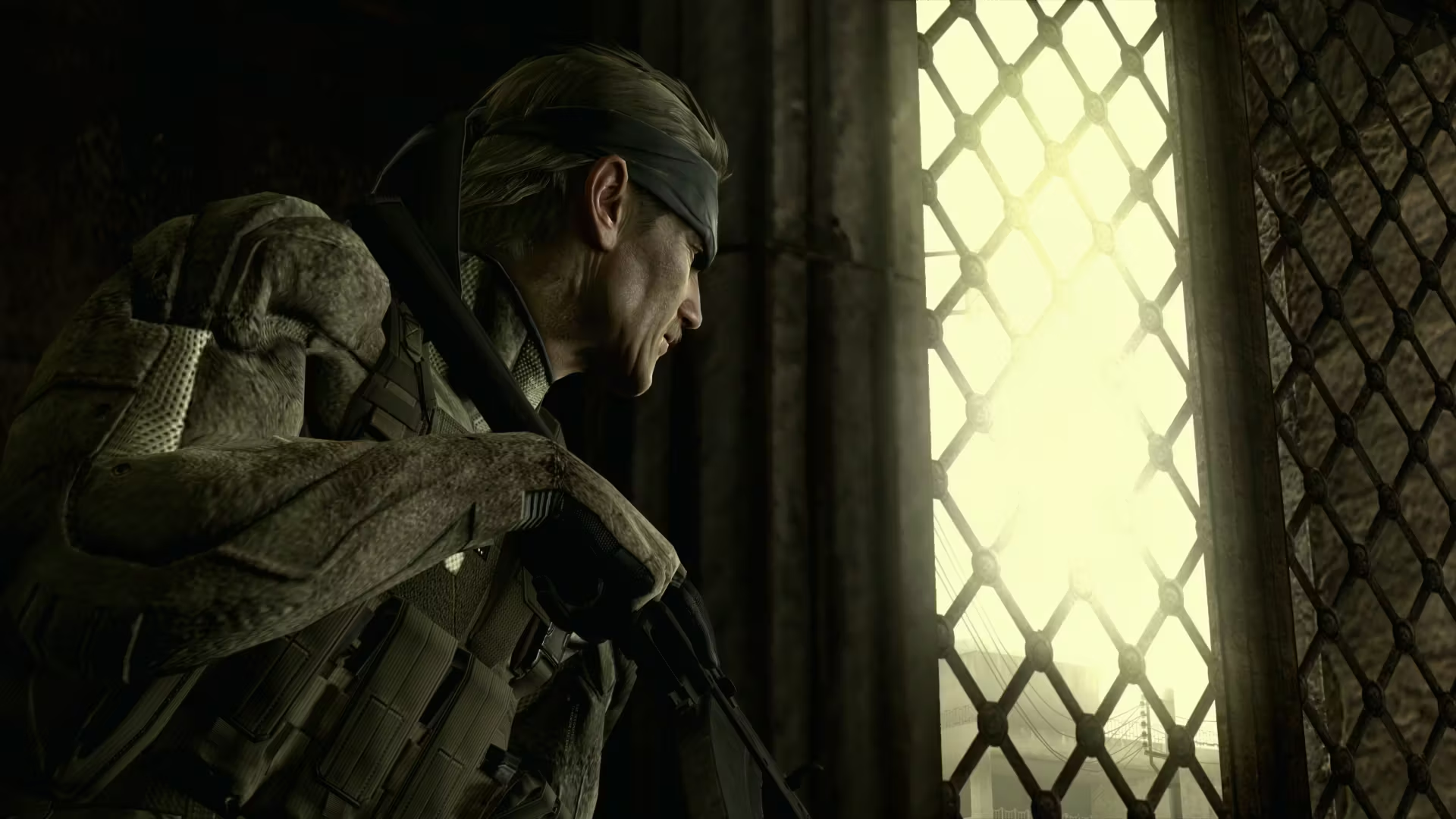
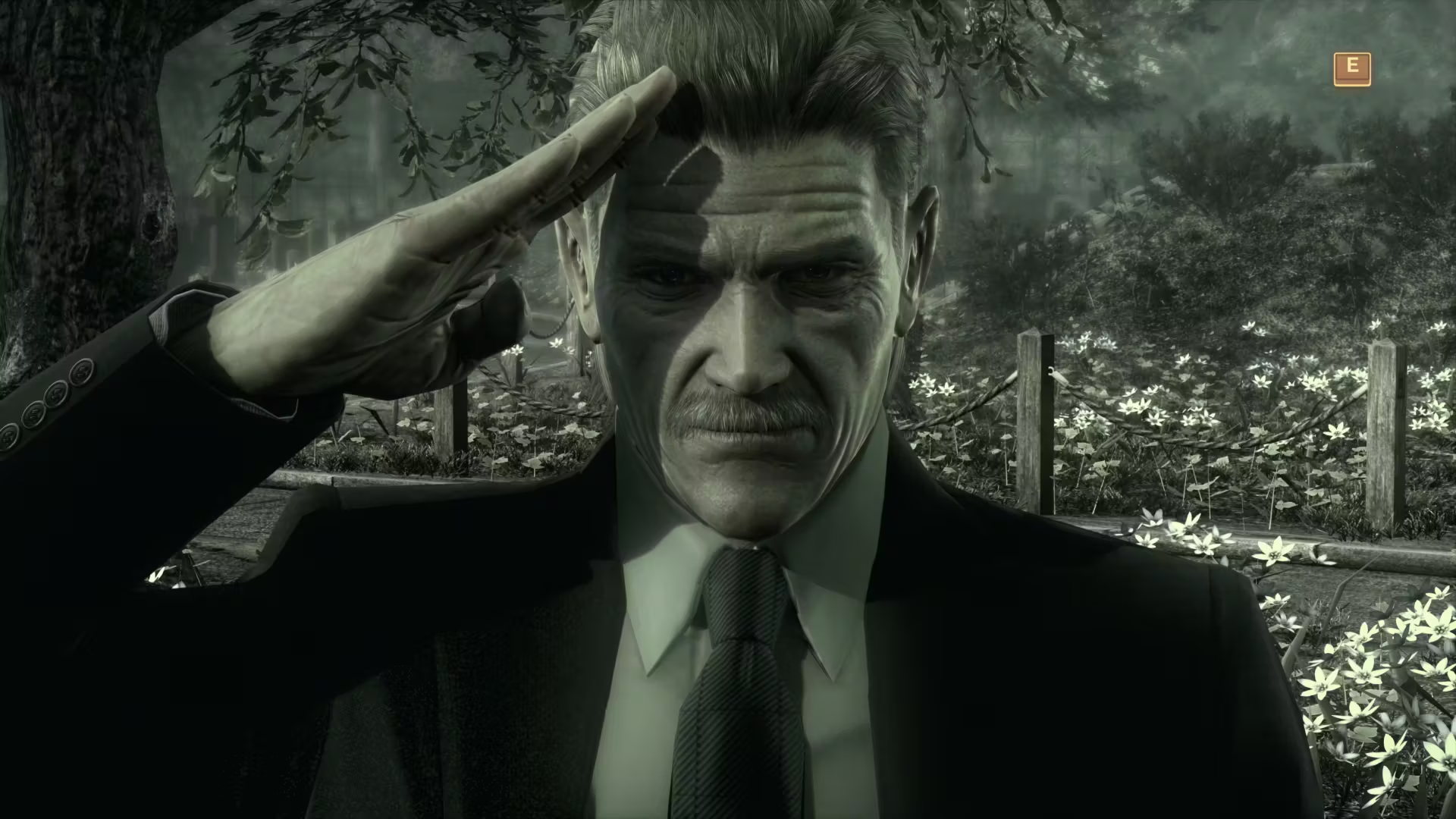
✨ Thanks to the bump to 4K and a locked 60fps, the 2008 art direction still looks incredibly striking today.
🤪 Peak Kojima: Perfectly balances gripping geopolitical drama with over-the-top anime action and deeply corny (but lovable) humor.
Cons
🕹️ The controls for crouching, shooting, and weapon selection haven’t aged gracefully and lack modern friction-free fluidity.
🎢 The structure constantly jumps between different locations and gameplay gimmicks, never letting you settle into a comfortable rhythm.
🍿 Functions more as a heavily scripted narrative experience than the sandboxy, open-ended stealth games of the series.
Freed From the PS3, including its limitations
First and foremost, this game has aged remarkably well for a title from 2008. The transition from the notoriously complex PS3 Cell architecture to a modern PC port is a massive win. Only the resolution and framerates are cranked up, and the in-game models and textures still hold up beautifully. I even spent over half my playthrough experimenting with injecting DLSS5 into the game, which only further modernized the visual experience. The jump to native 4K at a buttery 60fps breathes entirely new life into this game.
The Ultimate Season Finale
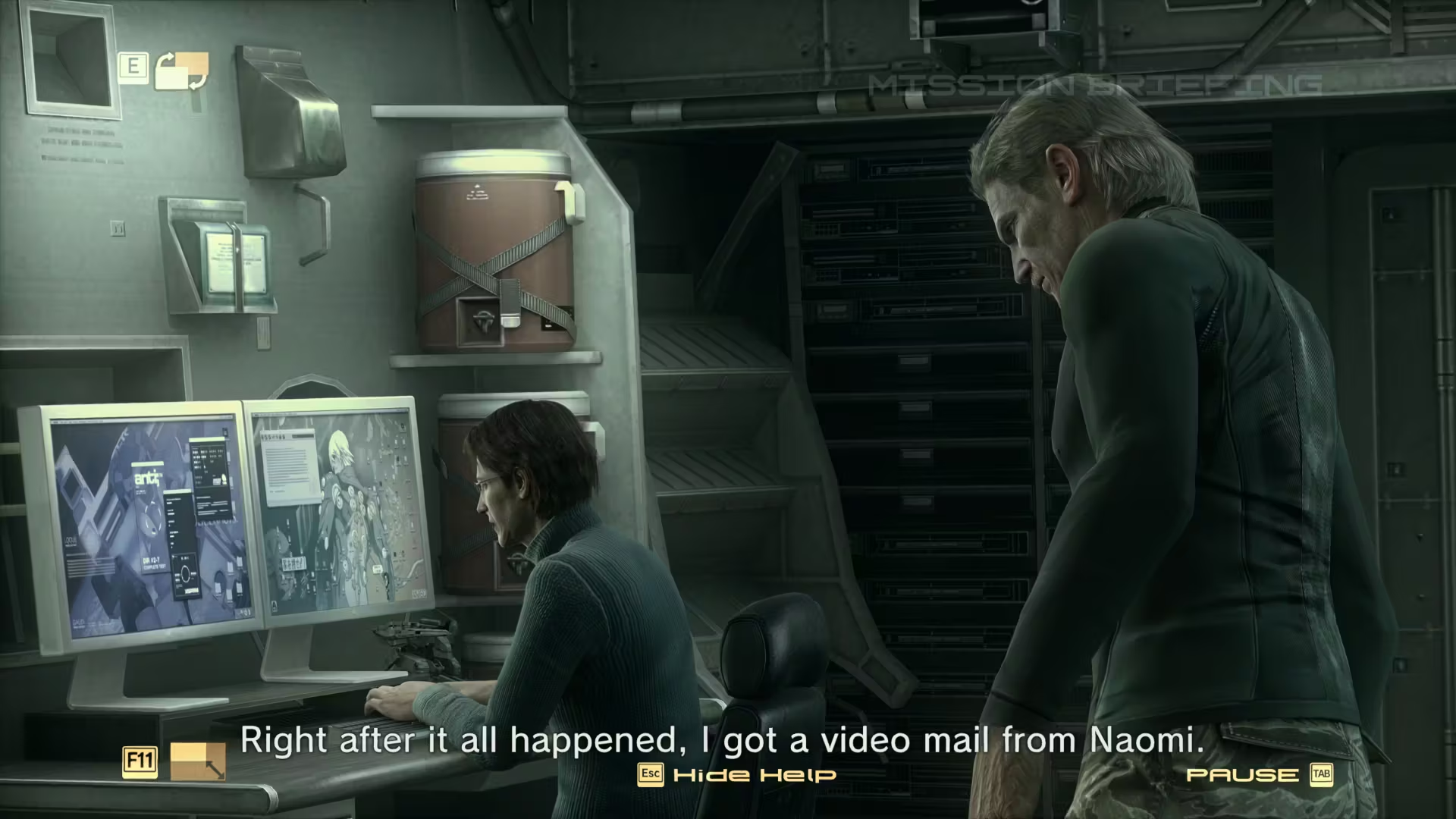
MGS4 absolutely lives up to its towering expectations as a finale. It feels exactly like watching the massive, blockbuster series finale of a television show you’ve followed for years. Everything you’ve experienced in the previous games connects here, and the payoff is immensely satisfying. Even after years away from the franchise, the memories came rushing back, and I never felt lost in the broader emotional strokes. Yes, Kojima’s storytelling is inherently convoluted — expect dense narrative dumps that might require some light online reading or a second playthrough to fully grasp — but the sheer ambition of the cinematography is staggering. It also wouldn’t be a Metal Gear game without those sudden, anime-like overkill moments or bizarre, corny jokes, or cringe moments, that still somehow fit perfectly into Kojima’s unique stylistic vision. And because its the finale, I wouldn’t recommend playing this when you haven’t played at least the first three Metal Gear Solid games.
The Gears Are Showing Its Age
While MGS4 represented the absolute peak of tactical espionage mechanics back in its heyday, the actual hands-on feel is starting to show its wrinkles. If you’re coming from modern third-person shooters like Ghost Recon Wildlands or even the newer MGSV, you’re going to feel the friction. The mechanics surrounding crouching, taking cover, weapon selection, and general firefights are noticeably clunky by 2026 standards. It’s playable and completely functional, but you constantly have to wrestle with the game’s vintage DNA when the bullets start flying. I was able to conjure up with a custom Steam Input configuration, especially to handle the crouch and roll mechanisms more fluidly, fortunately.
Fragmented Structure & Pacing
The biggest caveat to MGS4 being such a satisfying, globe-trotting finale is that it suffers structurally because of it. It doesn’t feel like a traditional Metal Gear game where you are dropped into one massive, interconnected facility (like Shadow Moses or the Soviet Jungle) to slowly master your environment. Instead, the game aggressively jumps between different locations, shifting mechanics and tones on a dime. Just as you start feeling “at home” in a specific area, the chapter ends and you’re whisked away. Just as you start enjoying a specific gameplay loop, it’s replaced by a set-piece. It’s heavily skewed toward being a curated narrative experience sprinkled with interactive segments rather than a sandboxy stealth game. Because this is the grand finale, I forgive it — but if this disjointed format had been used in any other mainline entry, I would have actively disliked it.
Conclusion
Ultimately, Metal Gear Solid 4: Guns of the Patriots is an essential masterpiece for long-time fans, delivering a profoundly emotional and cinematic send-off for one of gaming’s greatest icons. While modern players might find its controls slightly archaic and its cutscene-to-gameplay ratio unbalanced, the sheer spectacle, upgraded 4K/60fps performance, and brilliant narrative payoffs make this Master Collection port an absolute must-play. Again, I wouldn’t recommend playing this when you haven’t played at least the first three Metal Gear Solid games.
Share this review
PlayTested
Scan to read full review
Kept me waiting, huh? | METAL GEAR SOLID 4: Guns of the Patriots - Master Collection Version Review
8.5
Metal Gear Solid 4: Guns of the Patriots is an essential masterpiece for long-time fans, delivering a profoundly emotional and cinematic send-off for one of gaming's greatest icons.
Death Stranding 2 refines the unique, contemplative gameplay of its predecessor with polished mechanics, an epic story, and a bold, niche approach that challenges mainstream gaming norms.
Ghost of Yotei, the newest installment in the acclaimed feudal Japan action series, shifts the stage to Ezo/Hokkaido Japan, introducing a new protagonist, Atsu, and a razor-sharp revenge narrative. Set during a tumultuous period, the game follows Atsu as she embraces the path of the Ghost to hunt down her targets. While built upon the foundations of its predecessors, Yotei immediately distinguishes itself by prioritizing refined gameplay flow and anti-fatigue design over overwhelming map density, setting it up as a truly modern open-world experience.
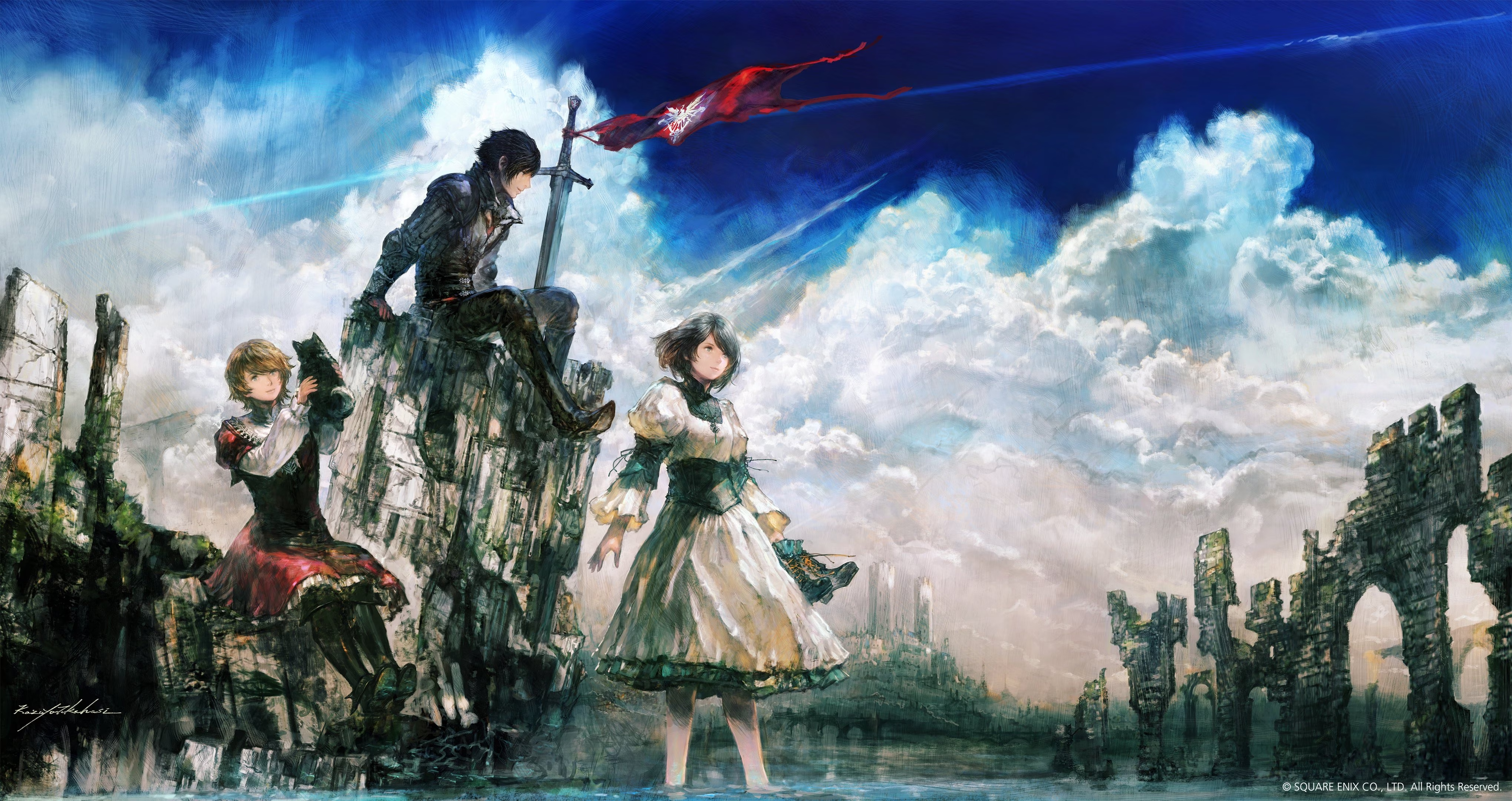
Final Fantasy XVI delivers a dark, complex story far removed from nostalgia, with strong cinematic action, a dynamic combat system that grows over time, and impressive medieval-themed visuals.
 PlayTested


Comments