Berserker Barrage With a Few Rough Edges | Marvel's Wolverine Review
7.8
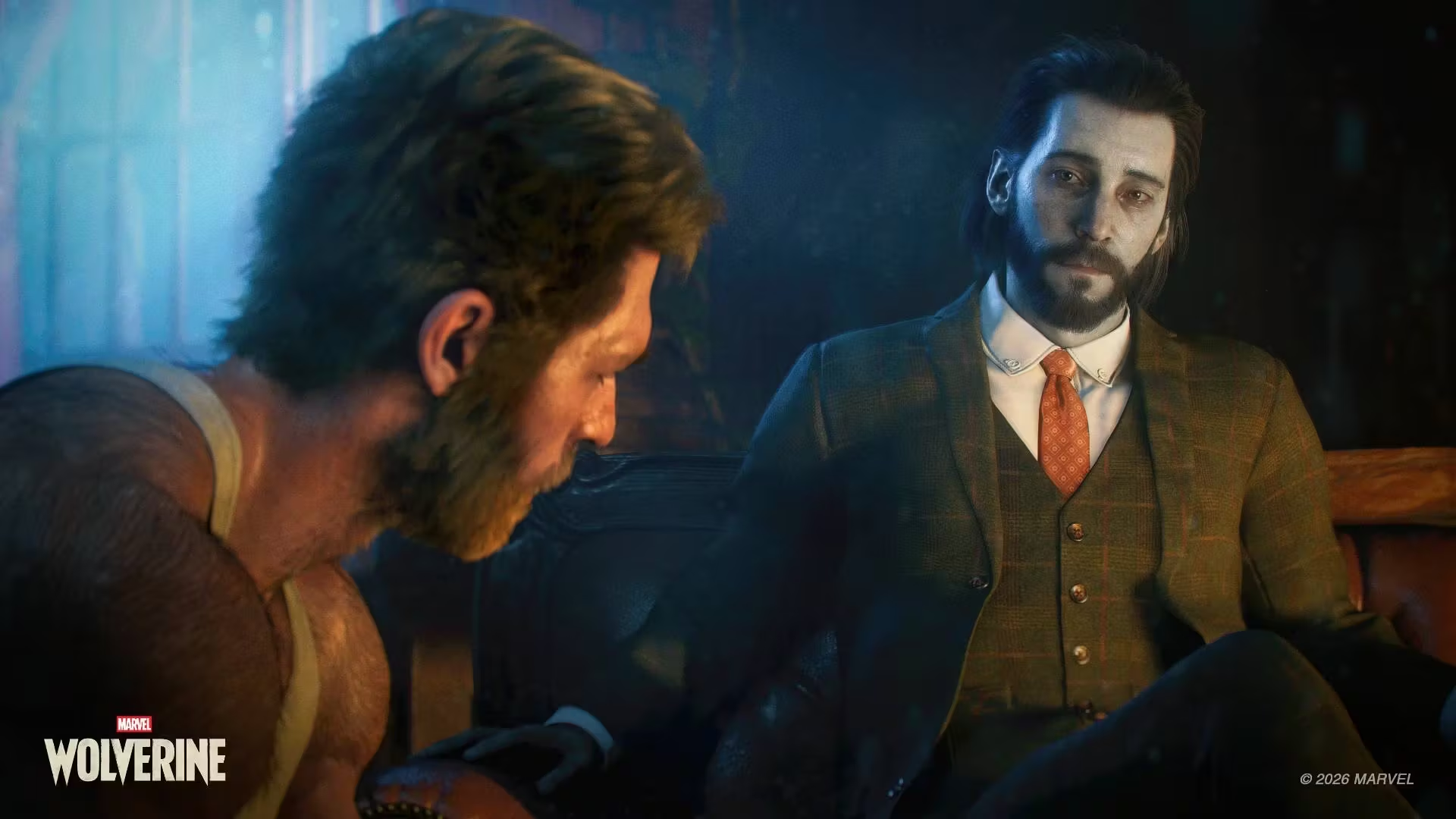
Marvel's Wolverine drops you straight into the adamantium-laced skeleton of Marvel’s most iconic, cigar-chomping mutant. Unlike the sprawling, sky-scraping sandbox of Insomniac's Spider-Man, Logan's adventure trades open-world for a tight, linear, narrative-driven action-adventure structure.
It’s hard to completely ignore the internet chatter leading up to a flagship PlayStation exclusive, and Marvel’s Wolverine certainly endured its share of pre-launch doom-posting. But as any seasoned gamer knows, you have to actually play the game—or at least watch genuine, gameplay with a neutral mindset—to fairly judge what’s there. After popping the claws and tearing through Logan’s latest PS5 outing, the reality is far more positive than the social media echo chamber suggested.
Beneath a few undeniable rough edges and some early-game sluggishness lies a genuinely hype-inducing action experience. Insomniac crafted a visceral, character-authentic ride that sets a massive stage for the future of mutants in gaming.
The Most Iconic Mutant, Now Playable
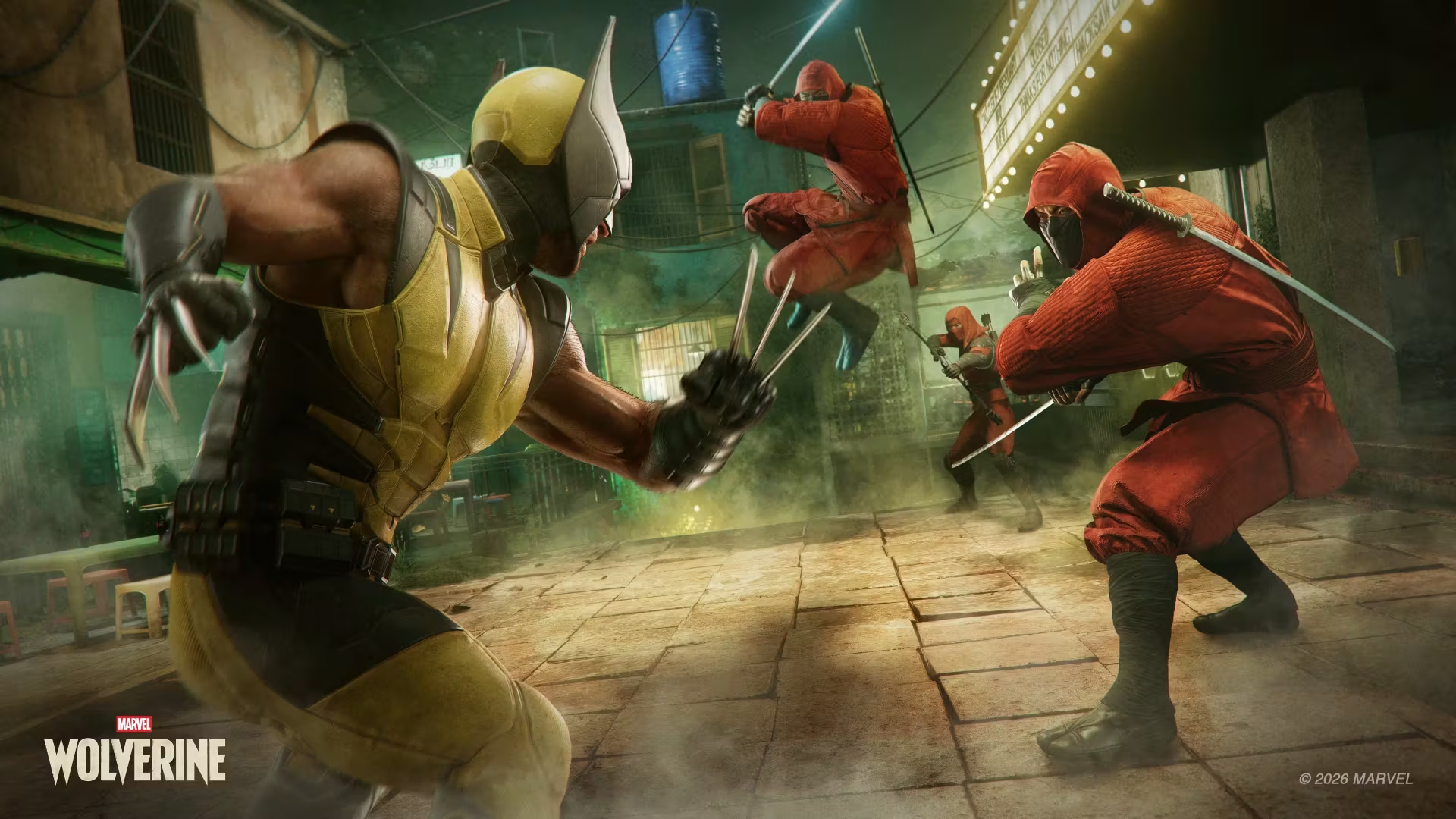
Marvel’s Wolverine drops you straight into the adamantium-laced skeleton of Marvel’s most iconic, cigar-chomping mutant. Unlike the sprawling, sky-scraping sandbox of Insomniac’s Spider-Man, Logan’s adventure trades open-world for a tight, linear, narrative-driven action-adventure structure. It’s an intentional design choice that works heavily in the game’s favor: Wolverine isn’t meant to swing across a city doing fetch quests and patrolling a city; he’s a hunter on a collision course with dark conspiracies, carving a bloody path from claustrophobic back-alleys to hidden research facilities.
The core gameplay loop centers on aggressive, high-risk brawling interspersed with tense environmental exploration and explosive cinematic set-pieces, where Wolverine is an unstoppable battering ram. The design forces you into the fray: you close distance aggressively, trade blows, rely on your regenerative healing factor to recover mid-brawl, and systematically dismantle waves of armed mercenaries with lethal claw combos and gruesome finishing moves.
Pros:
🩸 Visceral Berserker Action: Combat lands with weighty, crunching impact once the skill tree opens up and combat flow clicks.
⏩ Tightly Focused Pacing: Skipping the open-world filler keeps the narrative momentum driving constantly forward.
🦸♂️ Great Sprint to the End: The final acts deliver pure, unfiltered comic book spectacle with goosebump-inducing payoffs.
❌ Masterfully lays the groundwork for the broader mutant lineup in Insomniac’s Marvel Universe.
Cons:
🥱 Sluggish Early Combat: The opening couple of hours feel barebones, heavily reliant on mindless Square-mashing before key moves unlock.
🔁 Combo Variety Hits a Ceiling: Even with a fully unlocked tree, the moveset could have used a few more abilities and moves.
📖 A handful of story beats rely heavily on coincidences and occasionally cringe-inducing comic dialogue.
The Good, the Bad, and the Ugly
Pre-release discourse was dominated by hyper-analyzed stills of supposedly ugly and ‘western’ character models, particularly Jean Grey. In actuality, Jean looks completely fine in motion and dare I say beautiful; the pre-launch panic was the textbook result of a bad still angle going viral. The game’s environmental presentation is where the graphics engine flexes hardest. Shady dive bars, snow-covered wilderness, and sleek high-tech labs are drenched in moody, atmospheric lighting, detailed surface textures, and an impressive level of physical destructibility that complements the violence. Logan’s regeneration is also there, his flesh knitting back together over adamantium bones in real time during heated fights, although, I’m not a fan of the clothes healing themselves as well, even if there was an in-universe explanation for it in the game, still not a fan.
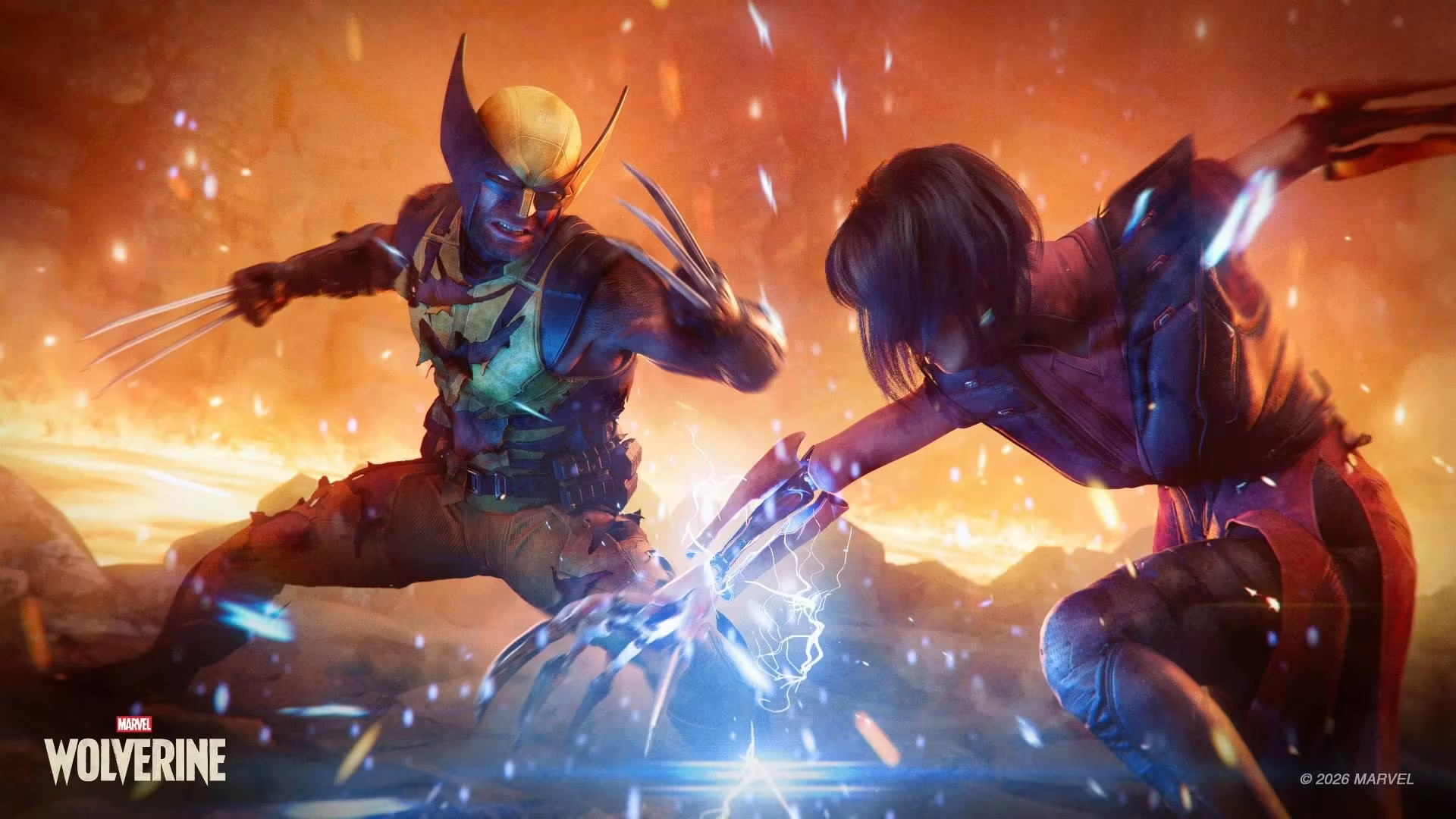
The facial models outside the core cast, however, are a mixed bag. While Logan’s weathered face looks decent (if occasionally a bit “derp-looking” in certain civilian dialogue angles), villains like Mystique and Lady Deathstrike feel oddly unflattering. Compared to their classic comic appearances or past live-action portrayals, their digital counterparts here lack that seductive, alluring loong.
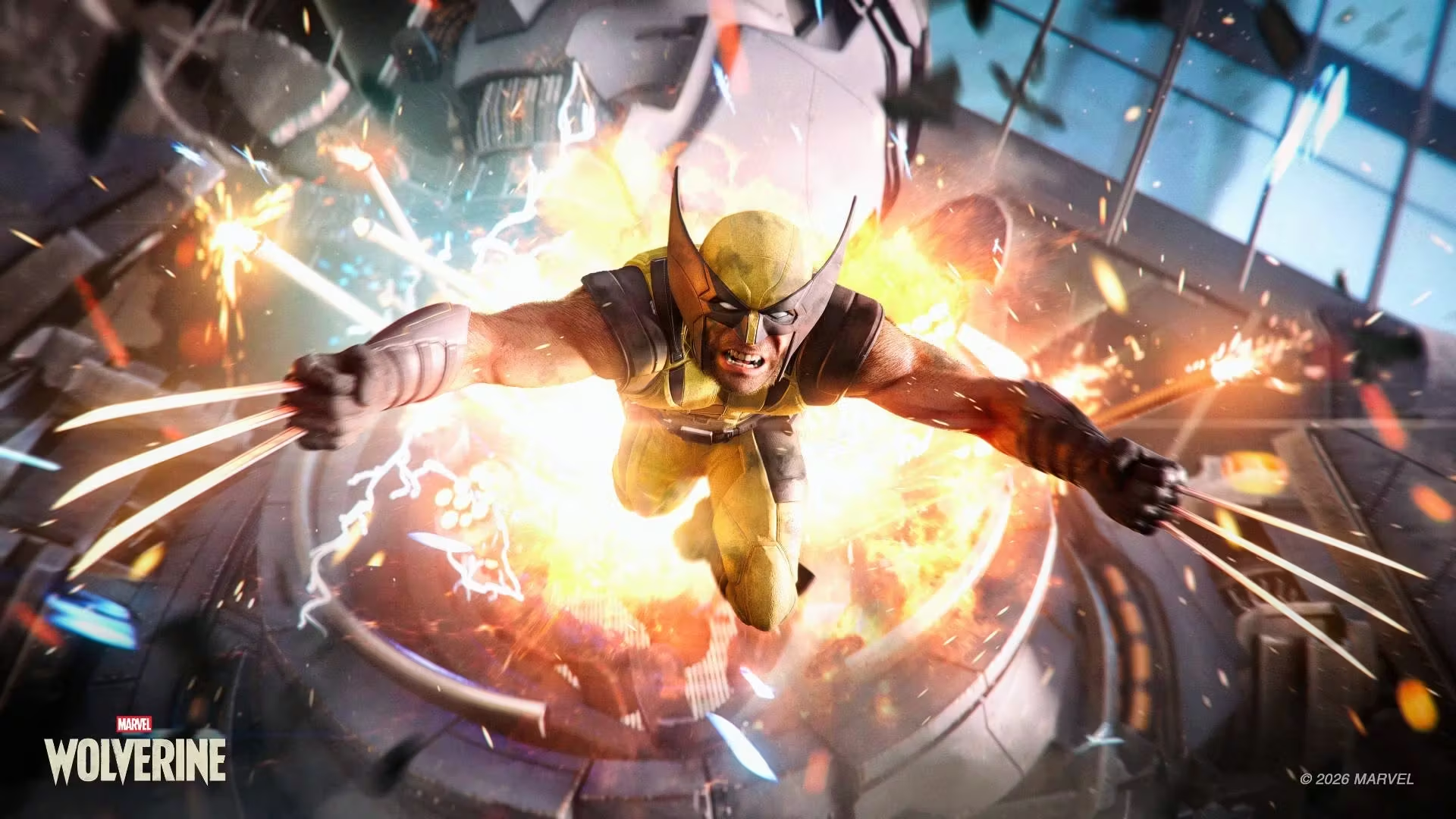
Thankfully, the moment Logan dons the iconic suit and pulls down the cowl, the aesthetic reaches absolute peak and the sometimes derp looking Logan is gone. The fabric weave, the sharp horn silhouette, the battle wear and tear, and the way blood spatters across the yellow-and-blue suit look downright phenomenal. When he is suited up, he is definitively the Wolverine fans have waited decades to play.
From Button-Masher to Berserker
The first two hours of Marvel’s Wolverine do not make the best first impression mechanically. Without your abilities unlocked, combat boils down to repeatedly mashing Square, occasionally hitting Triangle, and waiting out generic strike animations. Early encounters feel repetitive and deceptively shallow, lacking the fluid rhythm you expect from modern character-action titles.
Once the skill tree opens up, the gameplay fundamentally transforms. The combat engine relies on momentum, aggressive parries, and directional lunges. You learn to redirect gunners, impale shielded enemies, use environmental hazards, and seamlessly chain light strikes into feral aerial juggles. The sound design carries immense weight—every claw swipe sounds like shearing metal, and the controller haptics punctuate every bone-snapping counter. Managing Logan’s Rage Meter lets you trigger a full berserker state, accelerating your attack speed and unlocking brutal, anatomy-defying takedowns.
Between the blood-soaked brawls, the game breaks up the pacing with environmental traversal and light investigative work. Using Logan’s heightened senses to track scents and follow trails functions as your standard ‘detective mode ’— it’s a familiar gaming trope, but it makes perfect sense for the character. People hated this feature though, and Insomniac recently introduced the ability to turn these waypoint guides off for those who prefer them gone.
The actual platforming feels appropriately heavy and feral. Digging your adamantium claws into sheer cliff faces to scale walls, squeezing through tight corridors, and lunging across massive gaps gives the traversal a visceral crunch. While these non-combat sections are fairly linear and won’t exactly challenge your reflexes, they serve as a much-needed palate cleanser, letting you catch your breath and take in the stunning environments before diving headfirst into the next berserker bloodbath. Aside from that, there are also moments where you can approach things with stealth, but fortunately most of these are optional (unlike in Spider-Man) so you can just hop in head first and start to slice and dice enemies in plain sight.
Where the system stumbles slightly is its ceiling. By the late game, when you have unlocked every branch of the upgrade tree, you start bumping against the boundaries of the combo system. The move pool is punchy, but the actual input routes remain relatively limited. Hardcore hack-and-slash veterans will definitely notice the lack of varied moveset, abilities, and combos. You’re left wishing for just two or three additional combo variations to really let you customize your offensive flow during extended endurance fights, especially when you want to do the Nightmare Trials, which is essentially the extra content/challenges for players to do, outside the storyline missions.This involves different sets of challenges, from Platforming, Combat, and pure Time-Trial like Survival. There is also a rogue-lite like mode in the game wherein you can choose different upgrades in between waves for example, significantly increased damage at the cost of the rage meter being reset everytime you take damage.
A High-Stakes Mutant Narrative
Narratively, the campaign follows familiar comic book conventions. In the opening acts, certain plot beats rely heavily on sheer coincidence—characters running into each other at opportune moments, villains leaving convenient audio logs or delivering revealing monologues, and rapid narrative pivots that can feel a bit jarring. There are also a few lines of dialogue that lean too hard into cheesy modern comic tropes, producing occasional cringe-worthy lines between characters who should feel more grounded.
Yet, despite those early script hiccups, the story’s forward momentum builds up into a satisfactory pay off. As the issue deepens, the stakes escalate dramatically, shifting from an intimate revenge chase into a full-scale mutant crisis. The final acts are exceptionally paced, stringing together relentless boss encounters, massive cinematic set-pieces, and genuine goosebump moments that honor decades of Wolverine lore.
Crucially, the finale doesn’t just tie up Logan’s standalone arc; it serves as a massive, thrilling launchpad for the broader X-Men mythology within Insomniac’s shared Marvel continuity. By the time the credits roll, the lingering plot conveniences fade into the background, leaving you genuinely ecstatic about the potential of future mutant entries in this universe, especially with how it is constantly teased in the game.
Conclusion
Marvel’s Wolverine takes a few hits early on with a sluggish opening moveset, some questionable facial designs, and standard comic-book coincidences, but it triumphs where it matters most: delivering raw, hyper-violent, unapologetic Wolverine action that will take you roughly 20 hrs to beat. The linear focus keeps the narrative driving forward at breakneck speed, the combat turns deeply satisfying once your abilities come online, and the third act delivers pure comic book gold. For X-Men faithful and action enthusiasts alike, slicing through the noise to experience Logan at full power is well worth the ride.
Share this review
PlayTested
Scan to read full review
Berserker Barrage With a Few Rough Edges | Marvel's Wolverine Review
7.8
Marvel's Wolverine drops you straight into the adamantium-laced skeleton of Marvel’s most iconic, cigar-chomping mutant. Unlike the sprawling, sky-scraping sandbox of Insomniac's Spider-Man, Logan's adventure trades open-world for a tight, linear, narrative-driven action-adventure structure.
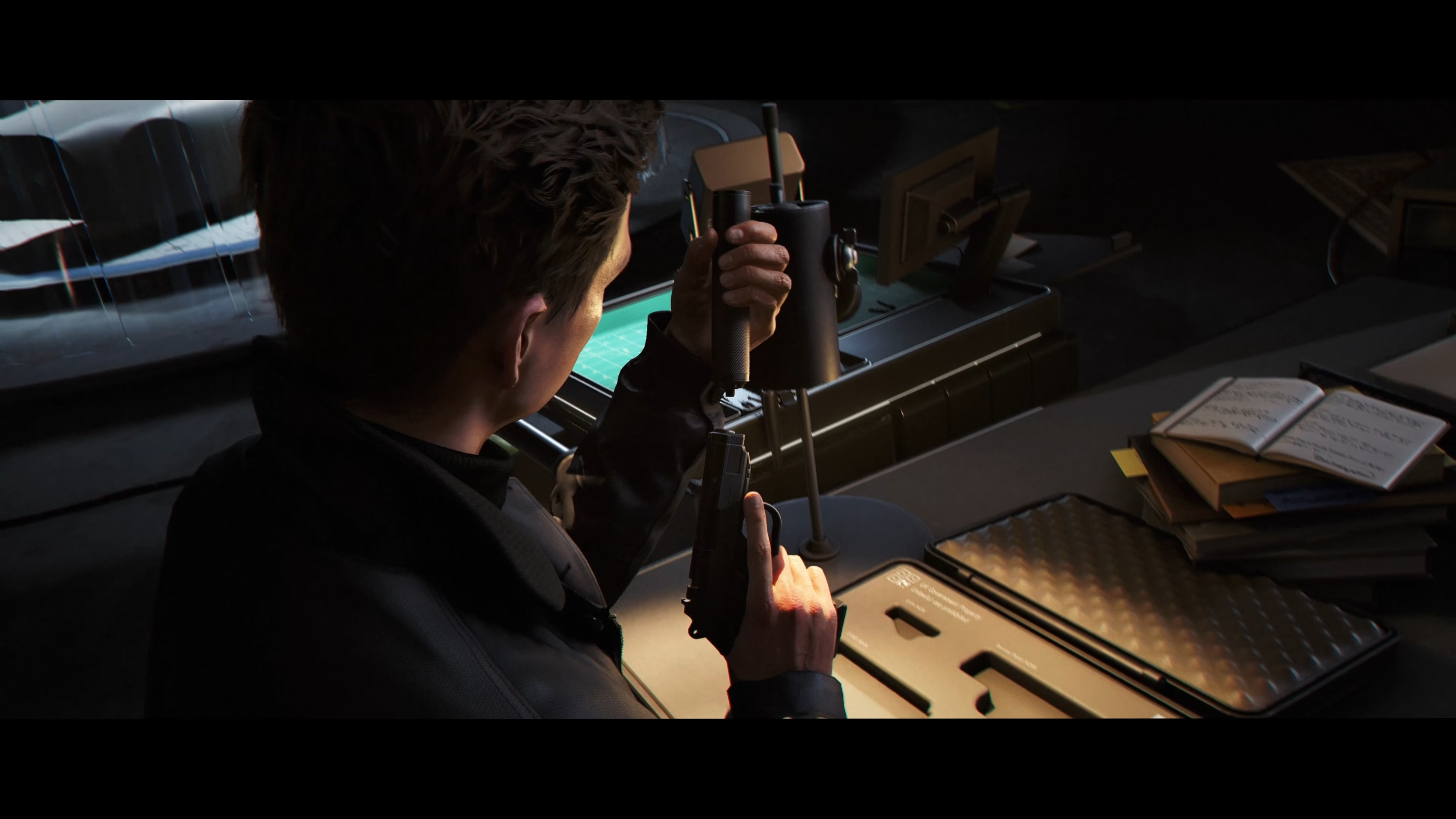
We finally have a new James Bond game in 007 First Light, and it completely blew past my expectations. Everyone assumed the studio behind the modern Hitman trilogy would just slap a tuxedo on Agent 47 and call it a day, but this is a completely different beast. It trades the massive puzzle-box sandboxes for a tightly paced, highly cinematic origin story that genuinely feels like a blockbuster Hollywood film from start to finish. It’s a wild ride that nails the raw, reckless energy of a young James Bond while delivering some of the best action mechanics I've played in years.
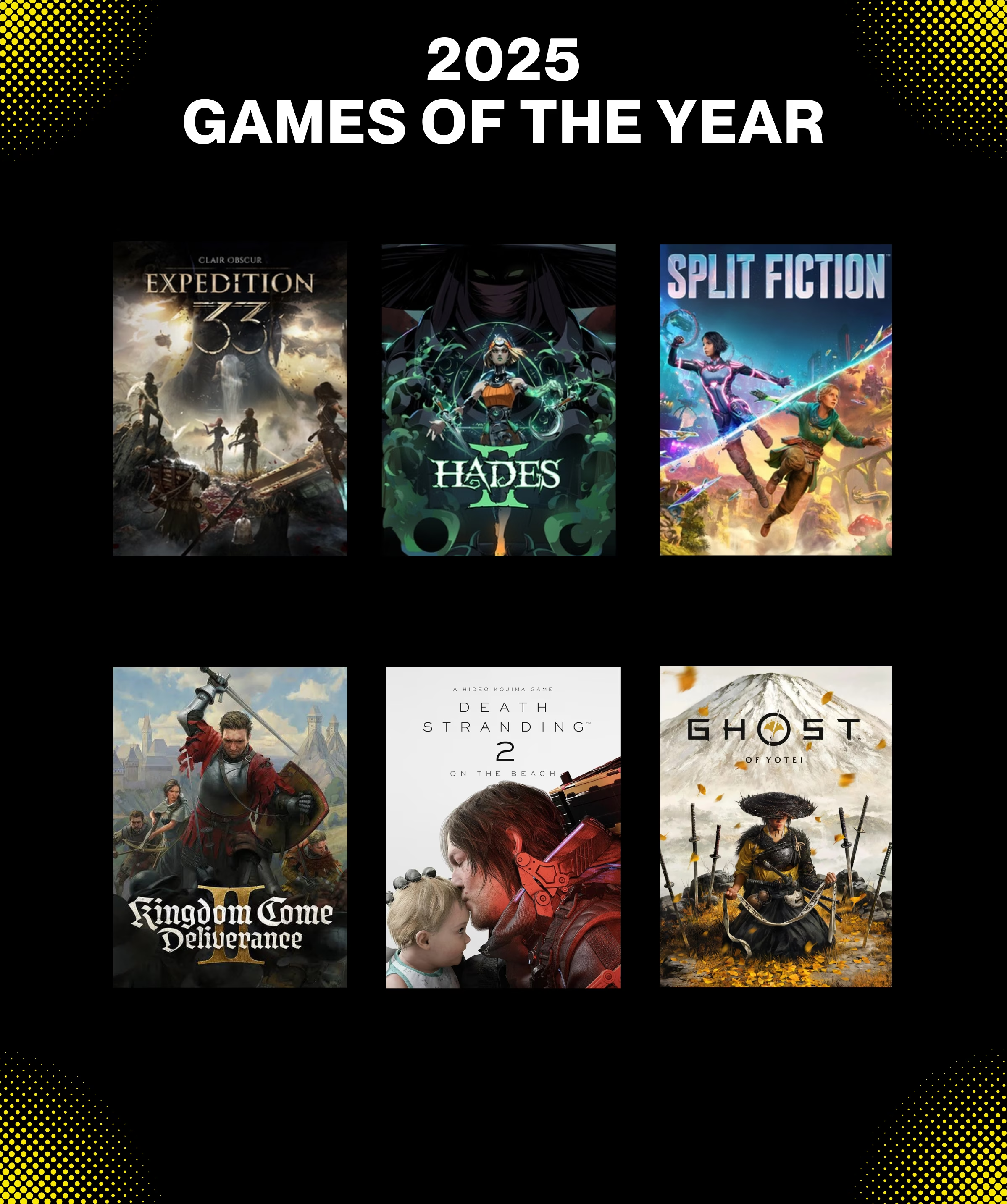
Better late than never! 2025 has been an absolute whirlwind for the industry. From the quiet, snowy peaks of the Yotei mountains to the chaotic, mud-caked battlefields of medieval Bohemia, this year has proven that whether it's a massive AAA sequel or a tight, experimental indie, the bar for "immersion" has been set higher than ever before.
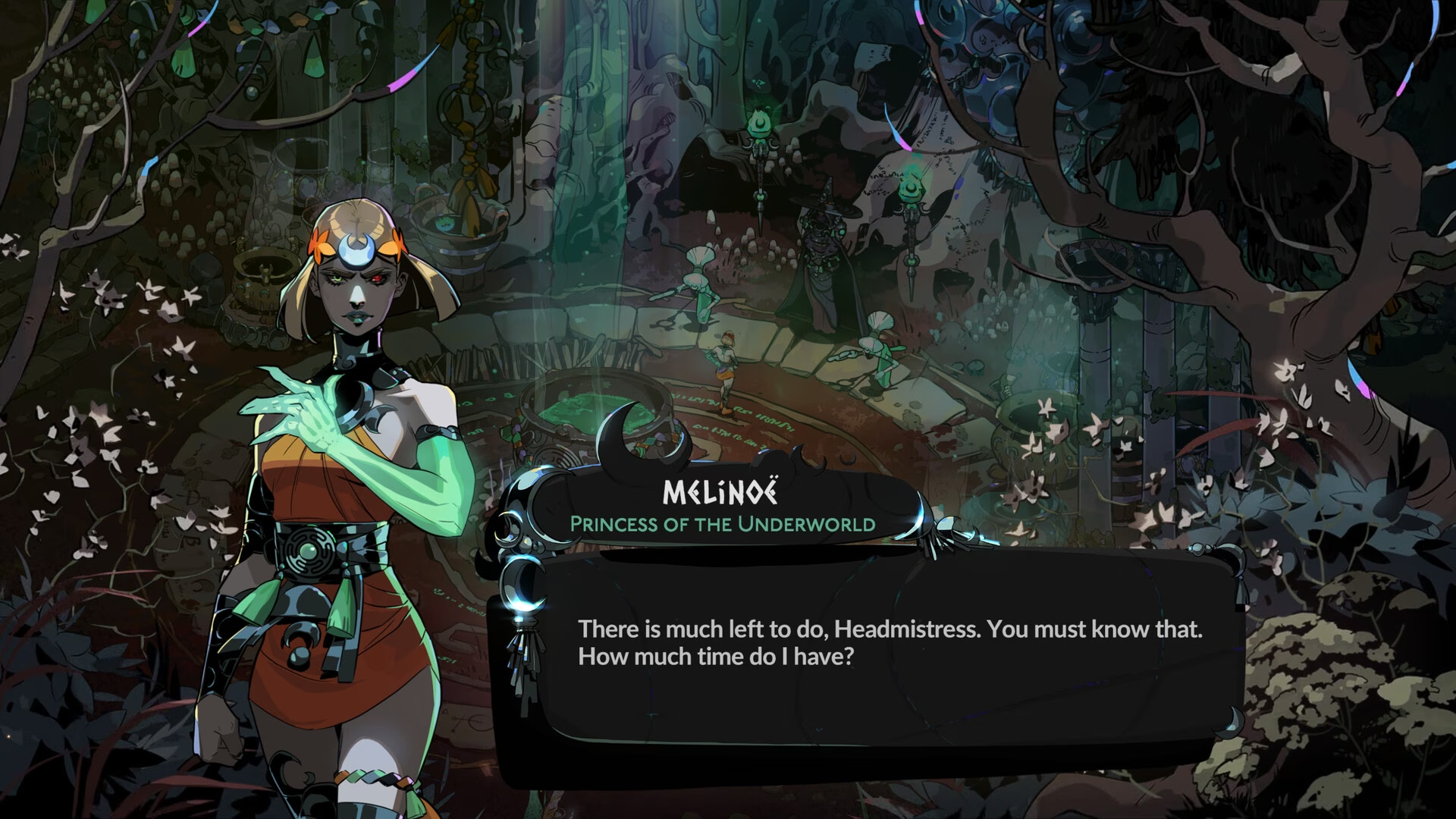
How do you follow up a game that redefined its genre and was universally praised as a modern masterpiece? In Hades II, Supergiant Games has answered that impossible question with a resounding success. The original Hades perfected the rogue-lite formula with kickass combat, endless procedural mechanics, and clever, character-driven storytelling. Yet, incredibly, Hades II has managed to top every single aspect of the first game and made them better.
 PlayTested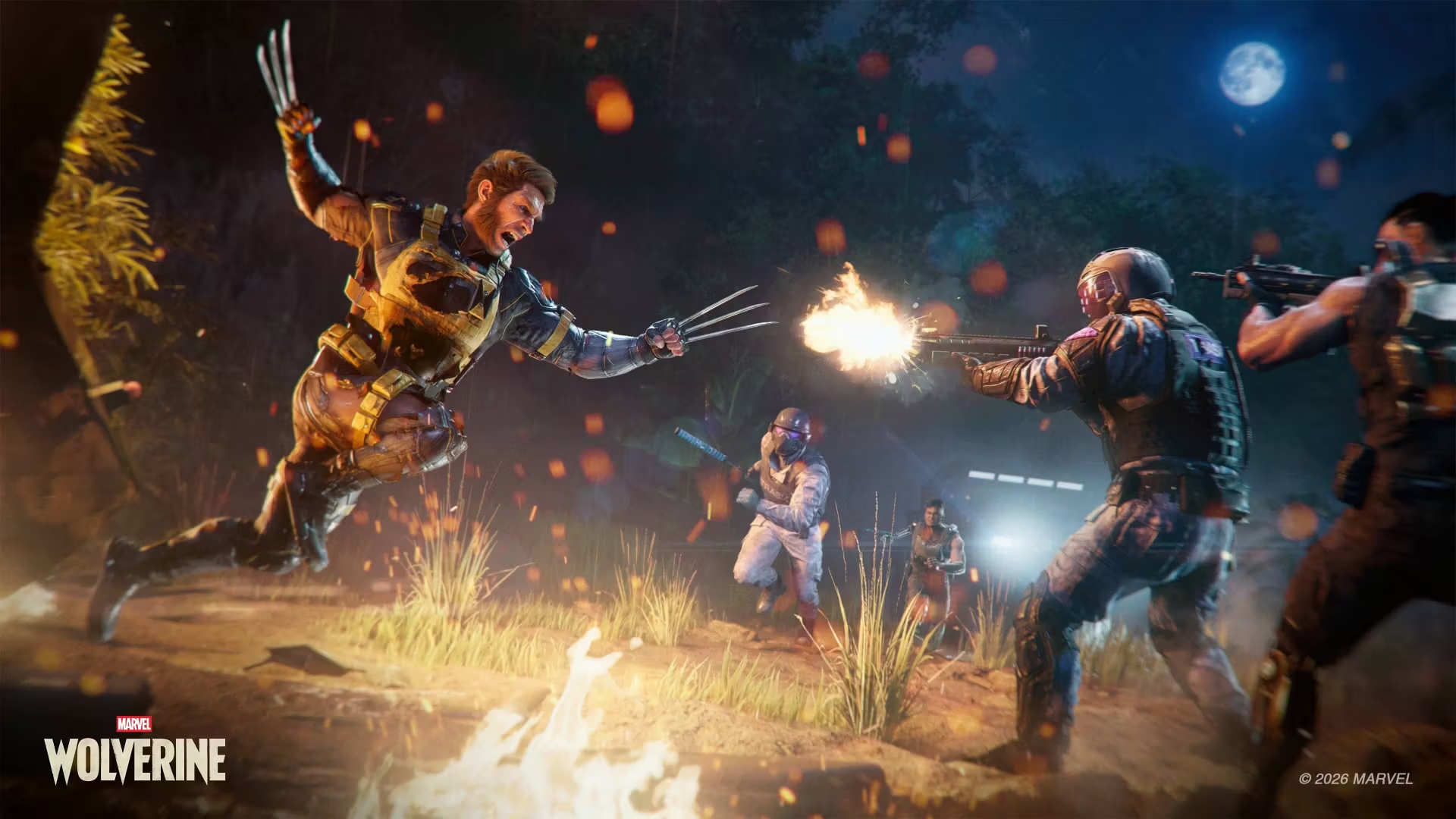

Comments