
Set up a zombie survival colony absolutely anywhere on Earth
Infection Free Zone Early Access Review
By lyndonguitar
Published on July 17, 2026 review
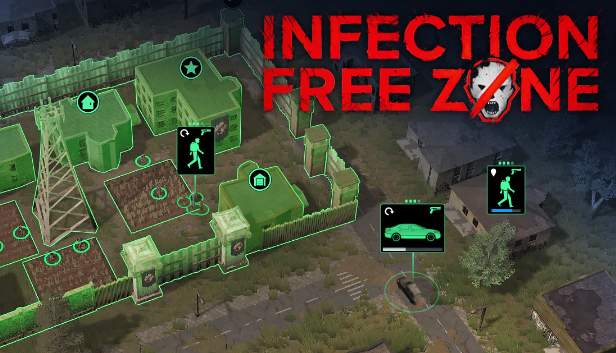
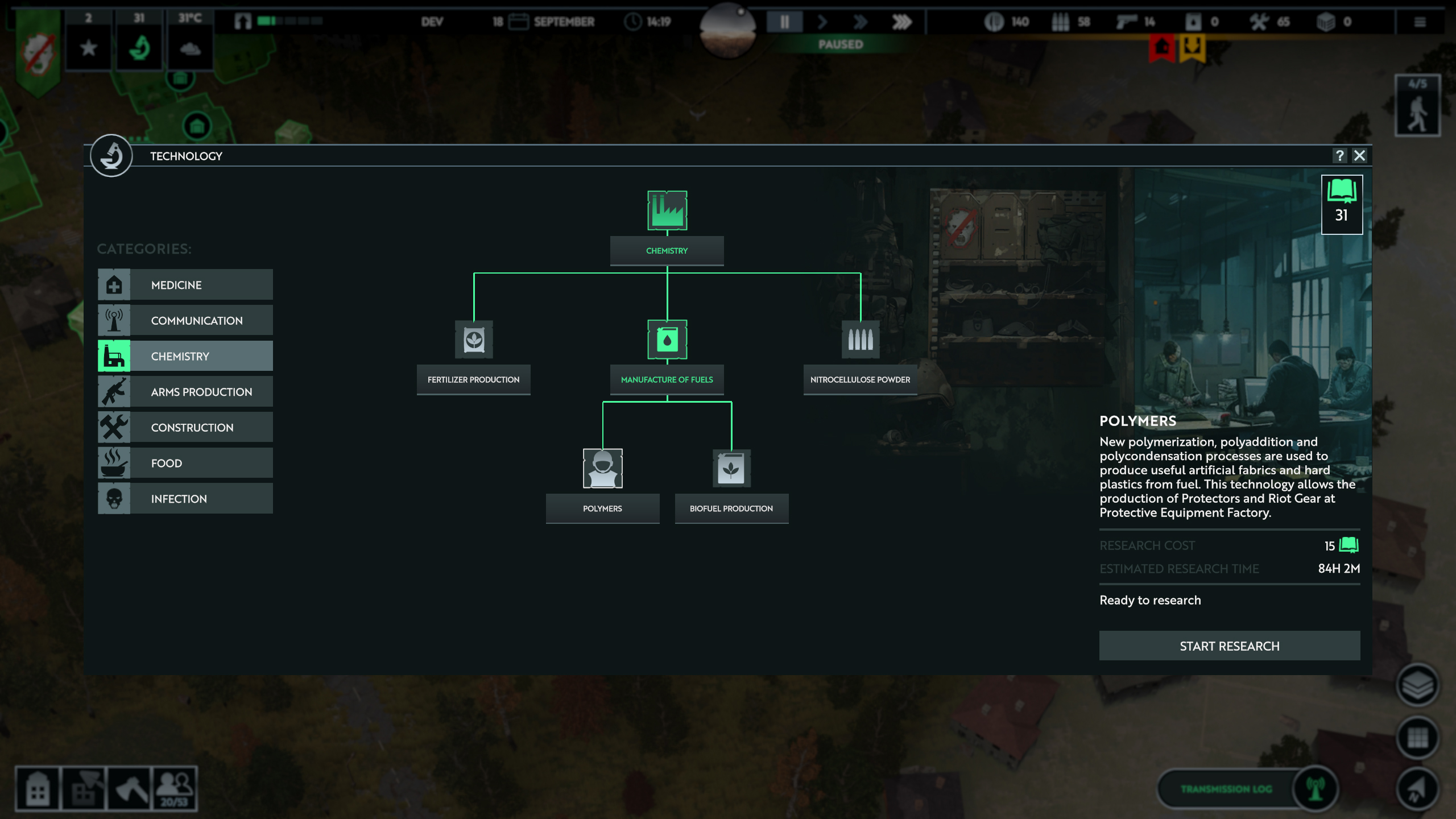
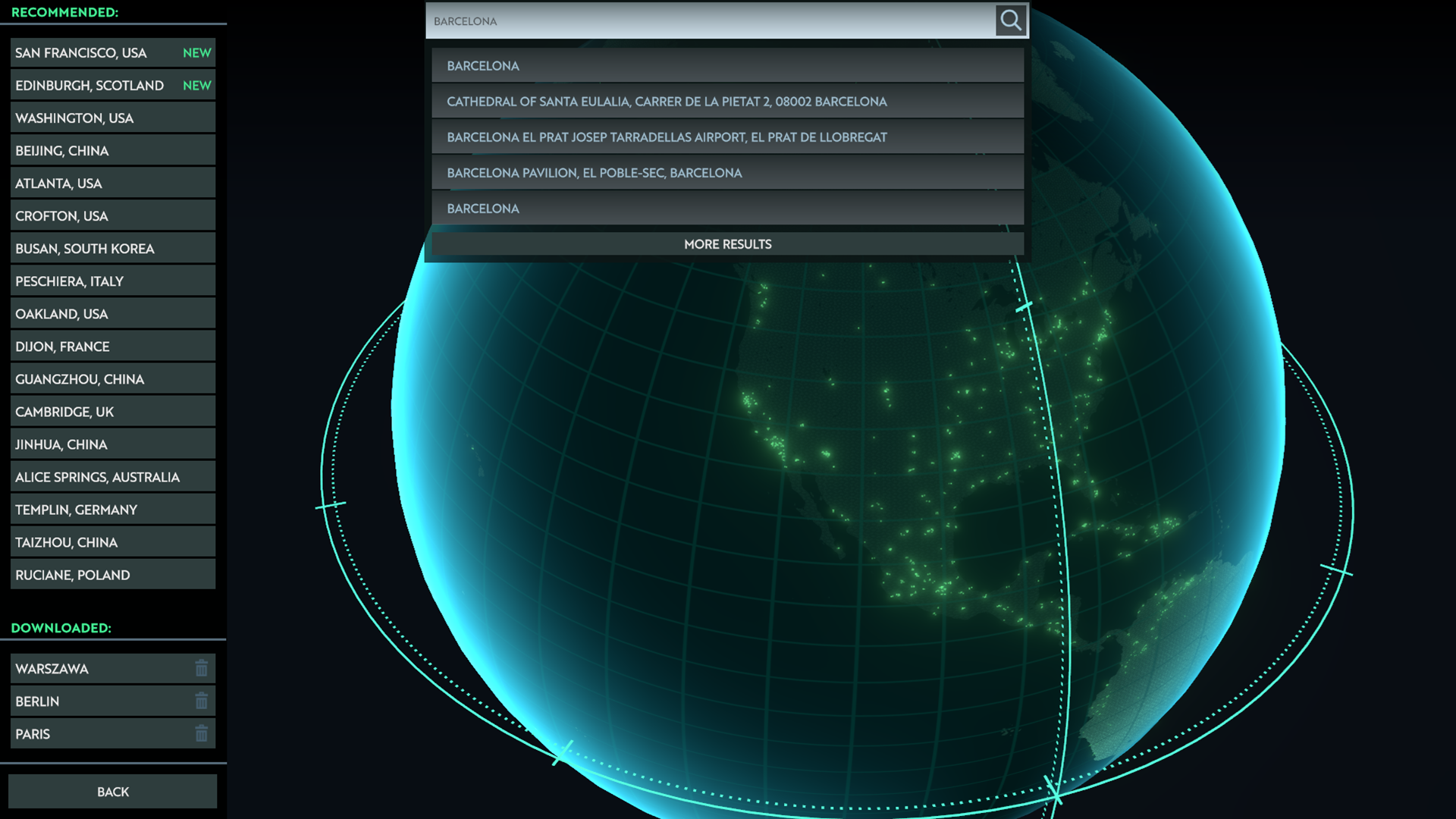
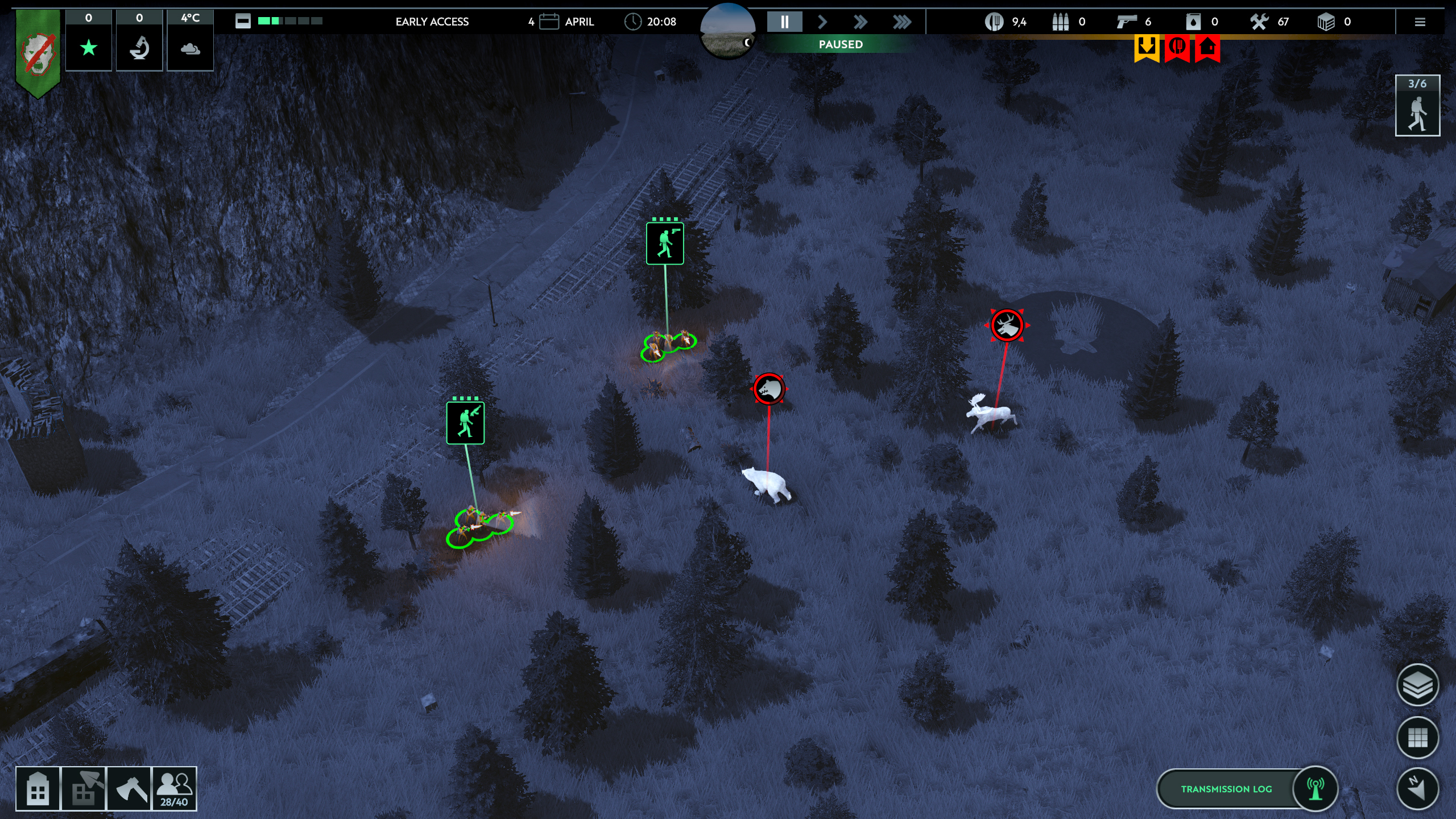
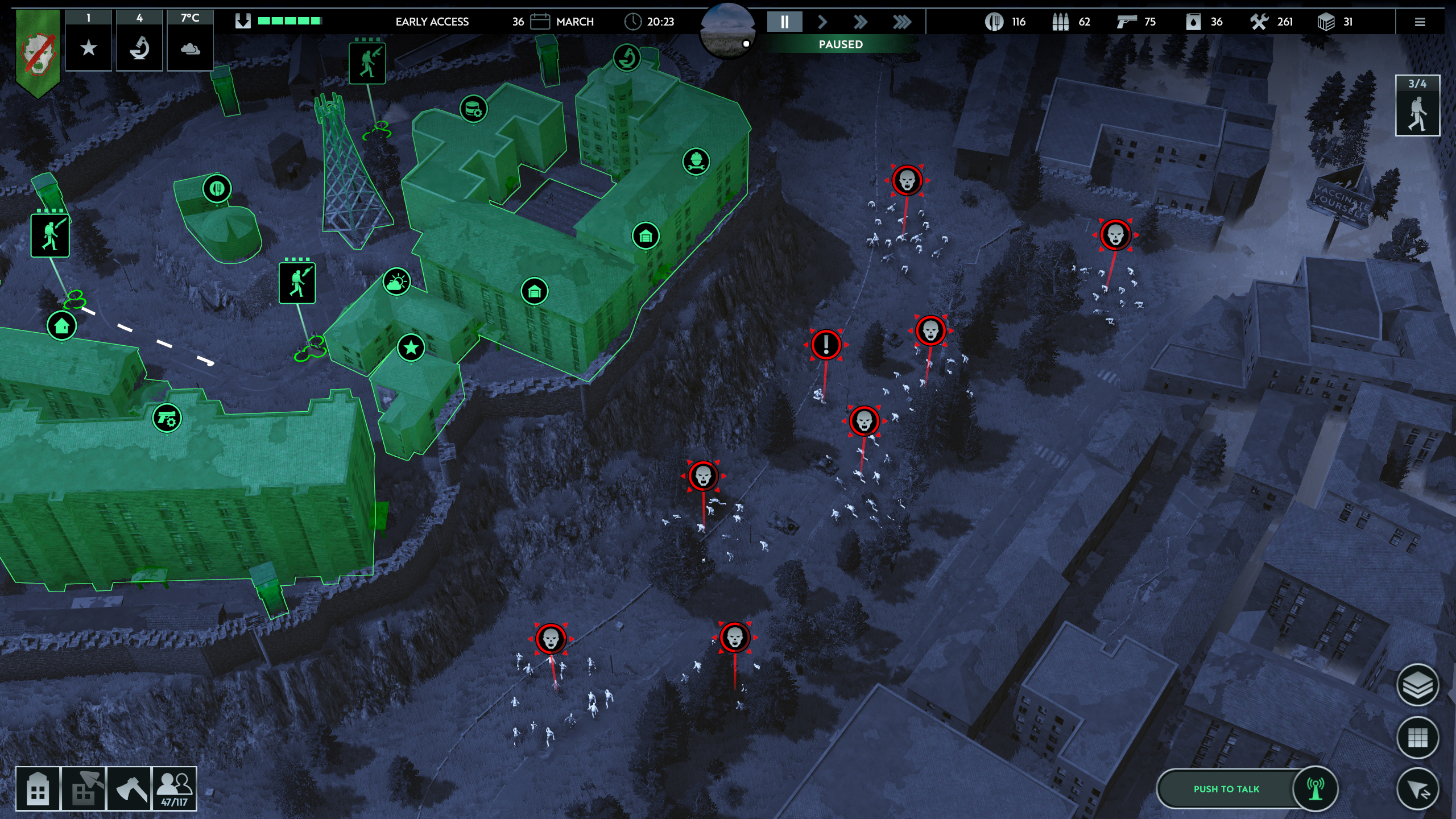
Every survival game likes to pitch the dream of “unprecedented realism,” but it usually translates to a hunger meter that drains too fast or a complex crafting tree for firewood. Infection Free Zone approaches realism from an entirely different, incredibly ambitious angle. Developed by Jutsu Games, this real-time strategy title uses open-source real-world map data to let you set up a zombie survival colony absolutely anywhere on Earth, using REAL LIFE maps. When the menu first booted up and suggested a starting location based on my actual, literal neighborhood, I was instantly hooked.
It takes a hot minute for the game to download and compile the geographic data, but the wait is completely worth the payoff. Watching the map load up to reveal my local streets was an incredibly surreal experience—I was laughing out loud and completely amazed at the same time. This is the exact kind of game mechanic my inner child has been dreaming of since I was a kid: a strategy sandbox mapping out the real world with tangible, familiar roads. It captured my neighborhood so accurately that I actually decided against using personal screenshots for this review out of a genuine fear of accidentally doxing my own home address; the press kit materials will have to do.
It isn’t a flawless 1:1 architectural rendering, of course. The game applies a unified, somewhat generic post-apocalyptic skin to the buildings, so it doesn’t quite capture the specific aesthetic vibe or distinct local architecture of my country. Yet the sheer layout is undeniably there. It successfully pulls the footprints of local structures, roads, and even the names of real-world nearby establishments. It makes you realize how incredibly useful generative AI could be far down the line for this game’s development or a potential sequel—imagine an AI layer actively tailoring the building textures to match the regional aesthetic of the country you’re playing in. But even in its current state, picking my own house to serve as my faction’s headquarters never stopped being jaw-dropping.
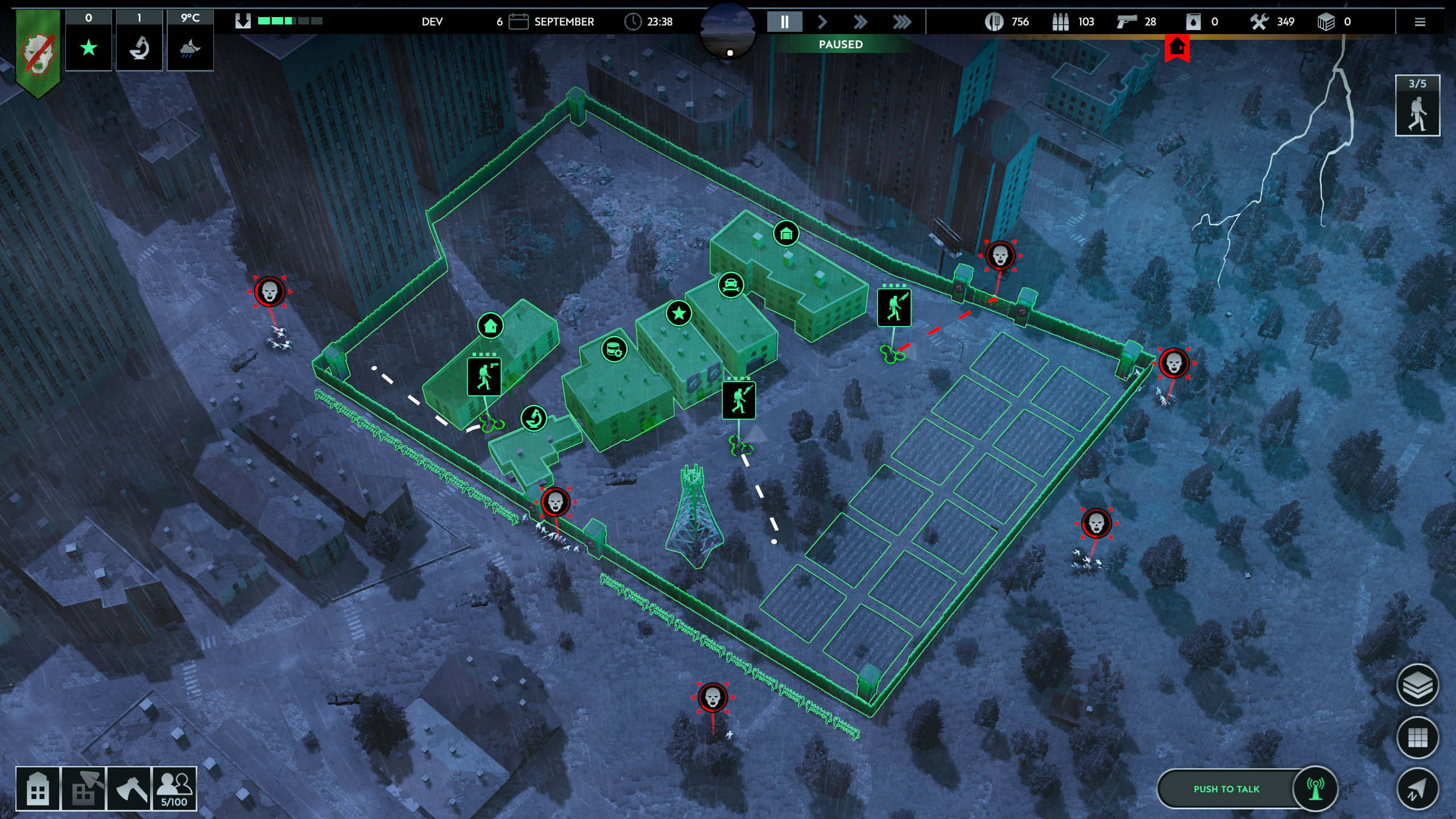
The moment I established my faction’s headquarters—again for me, I set it at my own house—the game opens up into a surprisingly deep logistical sandbox. During the daylight hours, it plays like a tense management sim where you split your survivors into dedicated work crews and send them out into the very streets you walk every day. You’re literally directing squads to scavenge the local pharmacy for medical supplies or strip the corner convenience store for canned goods, and the game’s logic actually respects those real-world building tags on the map. Instead of constructing generic barracks from scratch, you are physically retrofitting your neighborhood. That sturdy concrete apartment complex down the street gets boarded up and converted into a fortified shelter, while the local park is chopped down for wood and surrounded by defensive sniper towers. It’s a brilliant way to make standard tech-tree progression feel incredibly personal.
But the second the sun sets, that meticulous urban planning is put to a brutal test. The infected pour out of the unmapped, dark corners of the map, shifting the gameplay entirely away from gathering and into pure, frantic defense. All your civilian workers immediately drop their tools and scramble for safety, leaving your armed guards to hold the bottlenecks you built out of barbed wire and scrap metal. When it works, micro-managing your squads to fall back from compromised walls and protect your core food supplies is thrilling. Unfortunately, this hard curfew is exactly where the game’s glaring pacing issues rear their ugly head. Because your workers will want to stop everything they are doing, you are often left sitting in the dark with nothing to manage. If your defenses hold easily, or if your workers get snagged on buggy pathing geometry while running home, it turns what should be a terrifying nighttime siege into a frustrating, empty waiting game.
Unsurprisingly, mapping out a highly populated urban zone comes with a hefty technical tax. Performance varies wildly depending on the density of the map data you choose. Because my actual neighborhood is absolutely packed to the brim with tight structures and complex street networks, my framerate took a massive dive once the engine started rendering all those entities. To the developer’s credit, the UI explicitly warns you beforehand if your chosen location is too graphically heavy, but you should still brace your hardware if you plan on defending a sprawling, crowded metropolis instead of a sparse rural town.
From a presentation standpoint, the game initially mimics the clean, utilitarian layout of a text-based or UI-based adventure. But if you pay close attention, you’ll realize it’s a surprisingly detailed, micro-managed strategy game hidden beneath a minimalist shell. The units on screen are small and simplified, but the actual mechanical depth of managing your survivors, assigning construction duties, and weighing harsh text-based event choices delivers a fantastic layer of tactical immersion.
Adding to the Early Access friction is a handful of frustrating behavioral bugs. During my playthrough, I hit a weird quirk where my workers got permanently stuck in the geometry, completely soft-locking my progress because they couldn’t deliver materials or complete tasks. I only managed to bypass it by micromanaging my warehouse priorities to force an inventory dump, clearing their pathing queue. It’s the kind of rough edge you expect from an early build, but it highlights how much work needs to go into refining the basic logic engines.
My time with this build hasn’t been a comprehensive, endgame-spanning journey, but the core hook of Infection Free Zone is powerful enough to make an immediate impression. It is a brilliant, highly addictive concept that manages to transform a familiar daily commute into a tense theater of war. The day-to-night pacing probably needs a bit more work to eliminate the boring downtime, and the technical optimization requires serious ironwork, but the foundational dream of defending your own front door from a zombie apocalypse is officially here and made possible by this game.