
7.3
Score
Beautiful, atmospheric, but still a missed opportunity
Final Fantasy XV Review
By lyndonguitar
Published on May 1, 2026 review
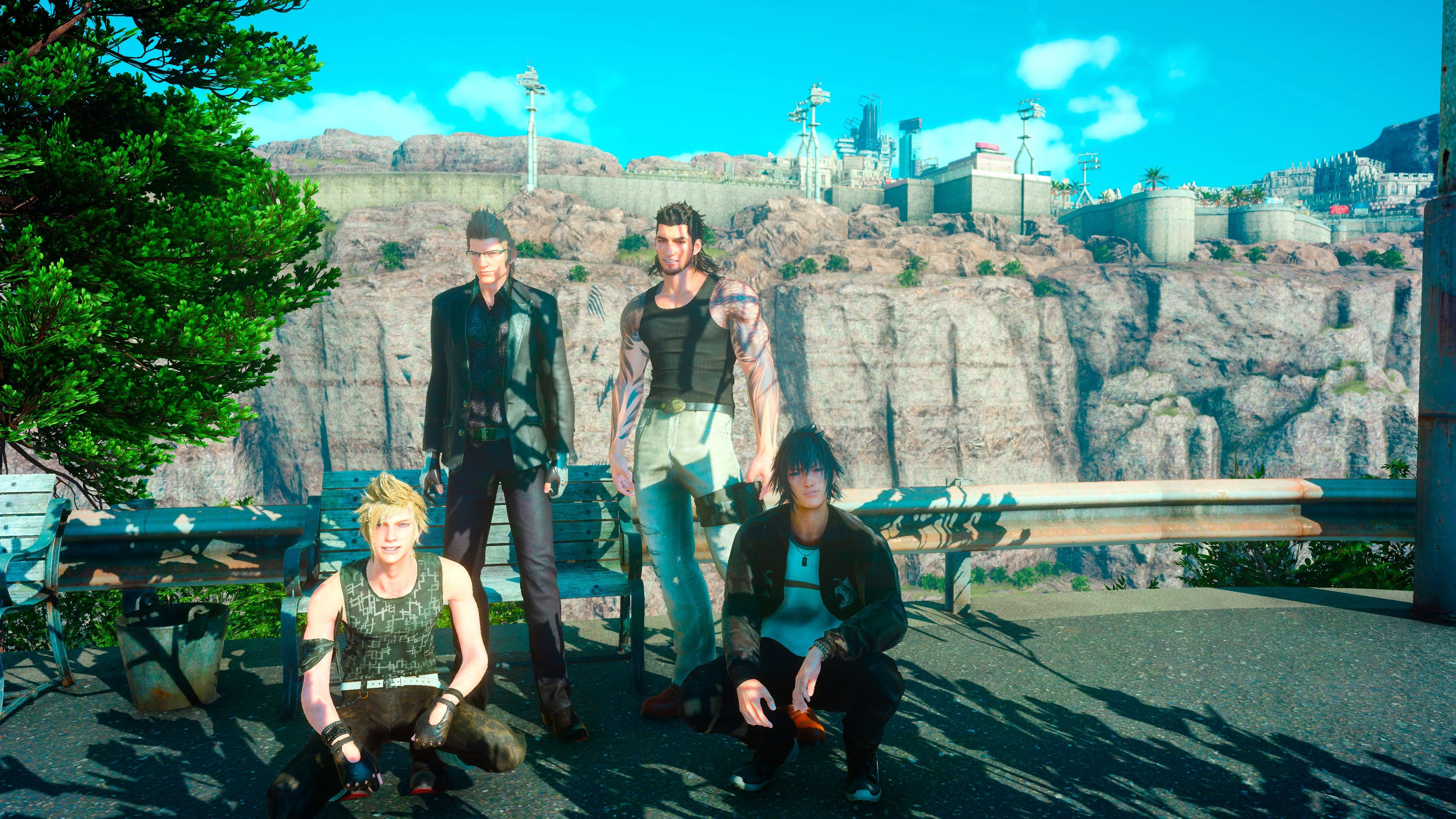
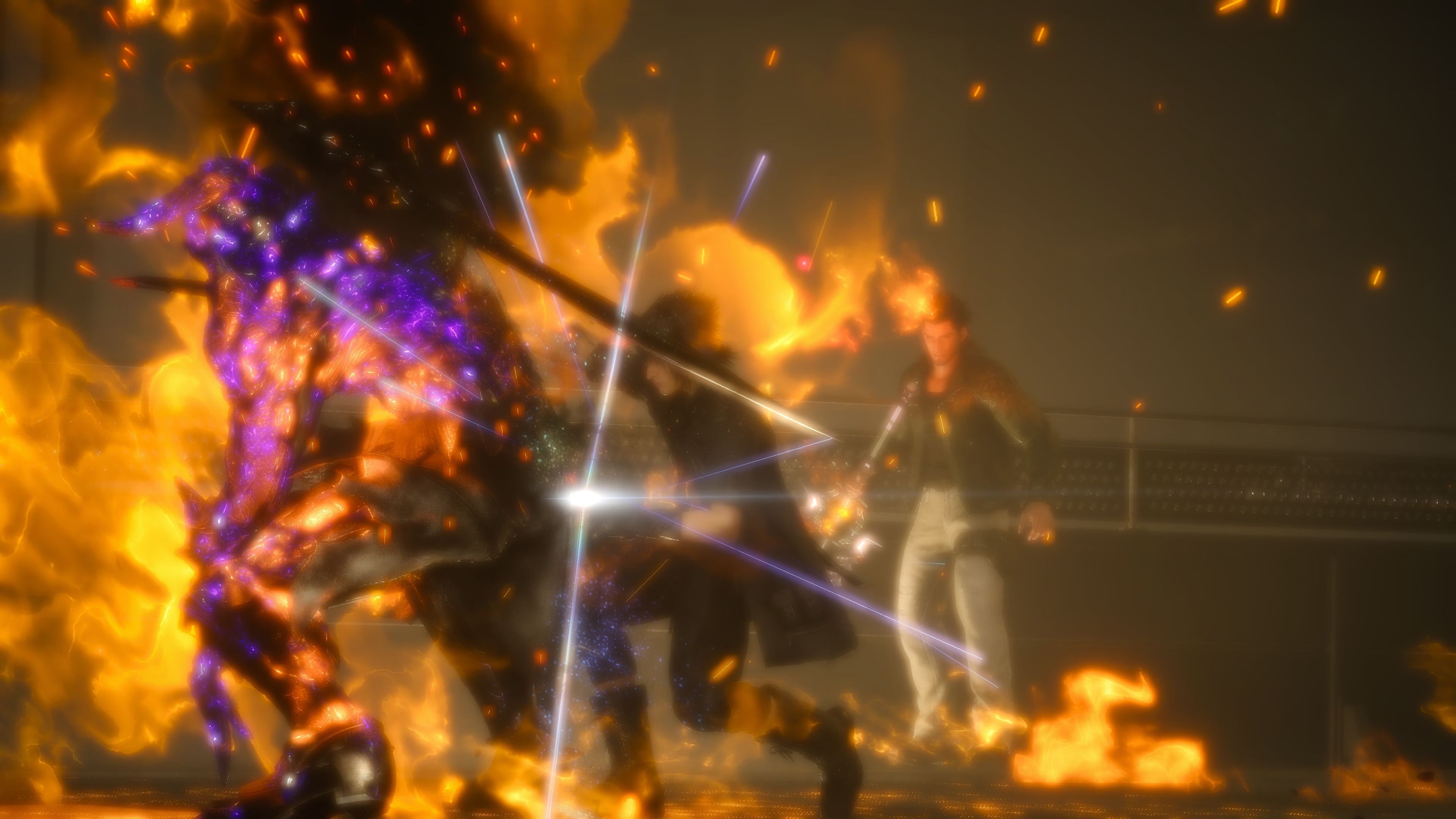
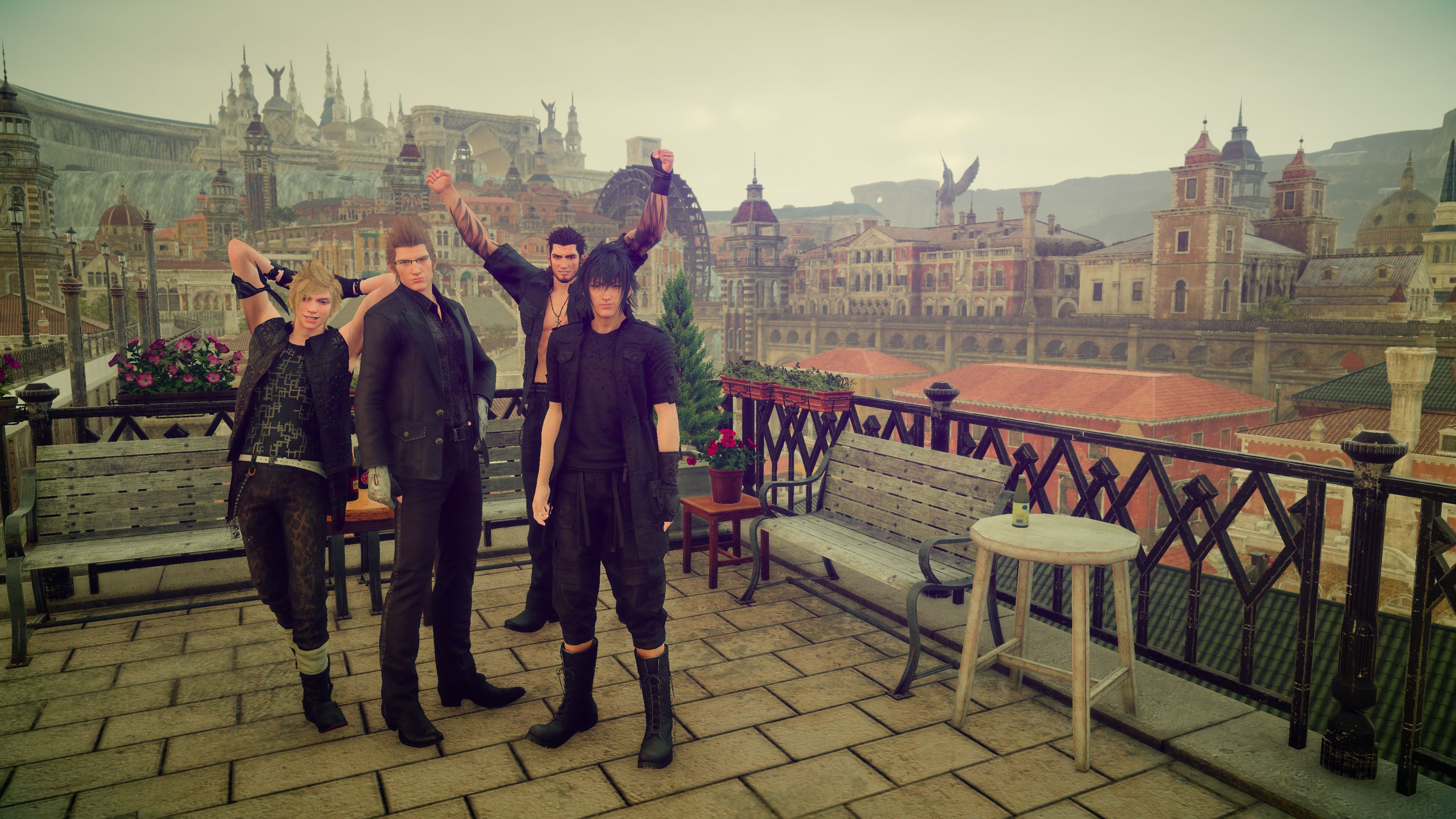
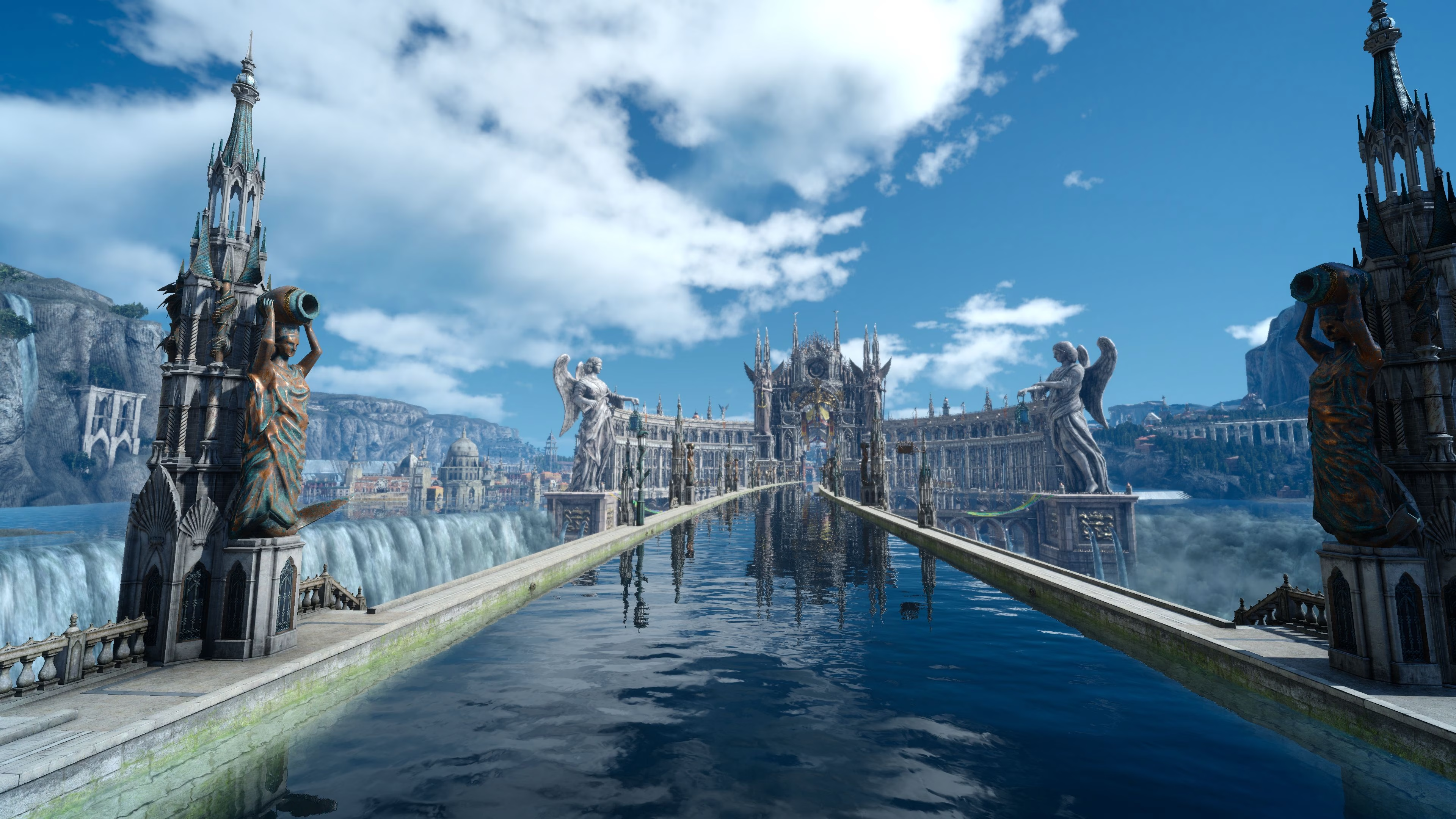
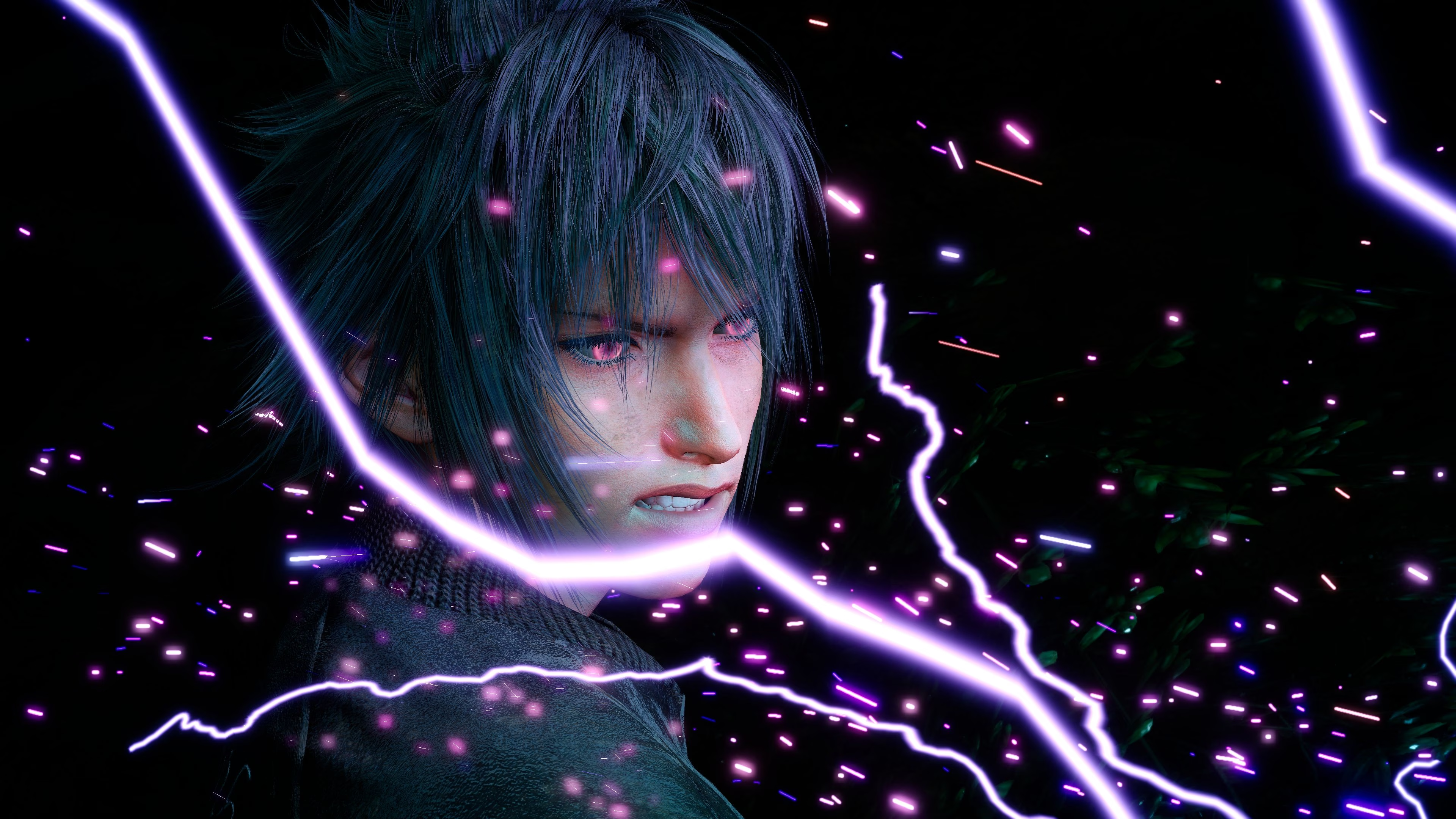
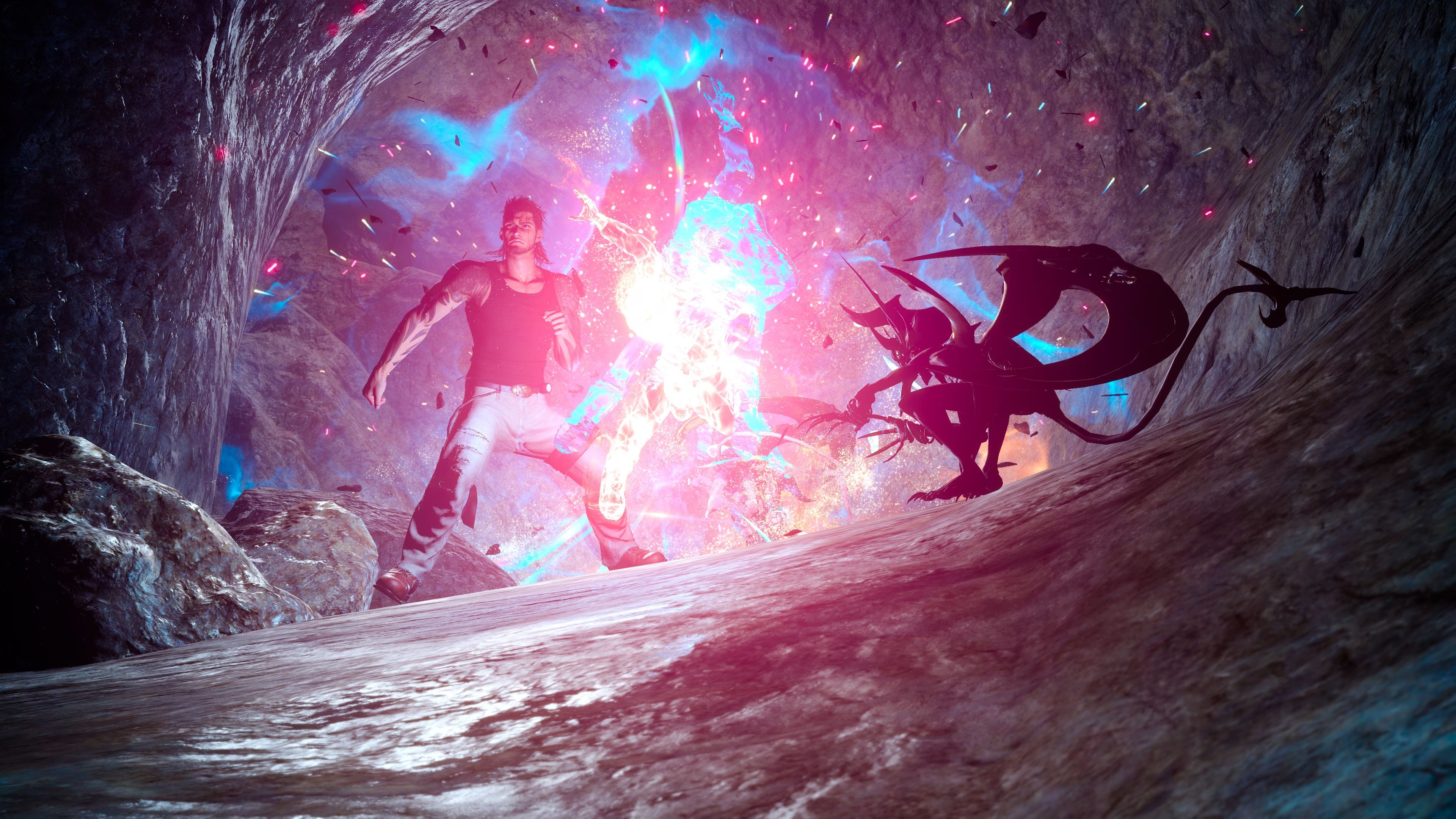
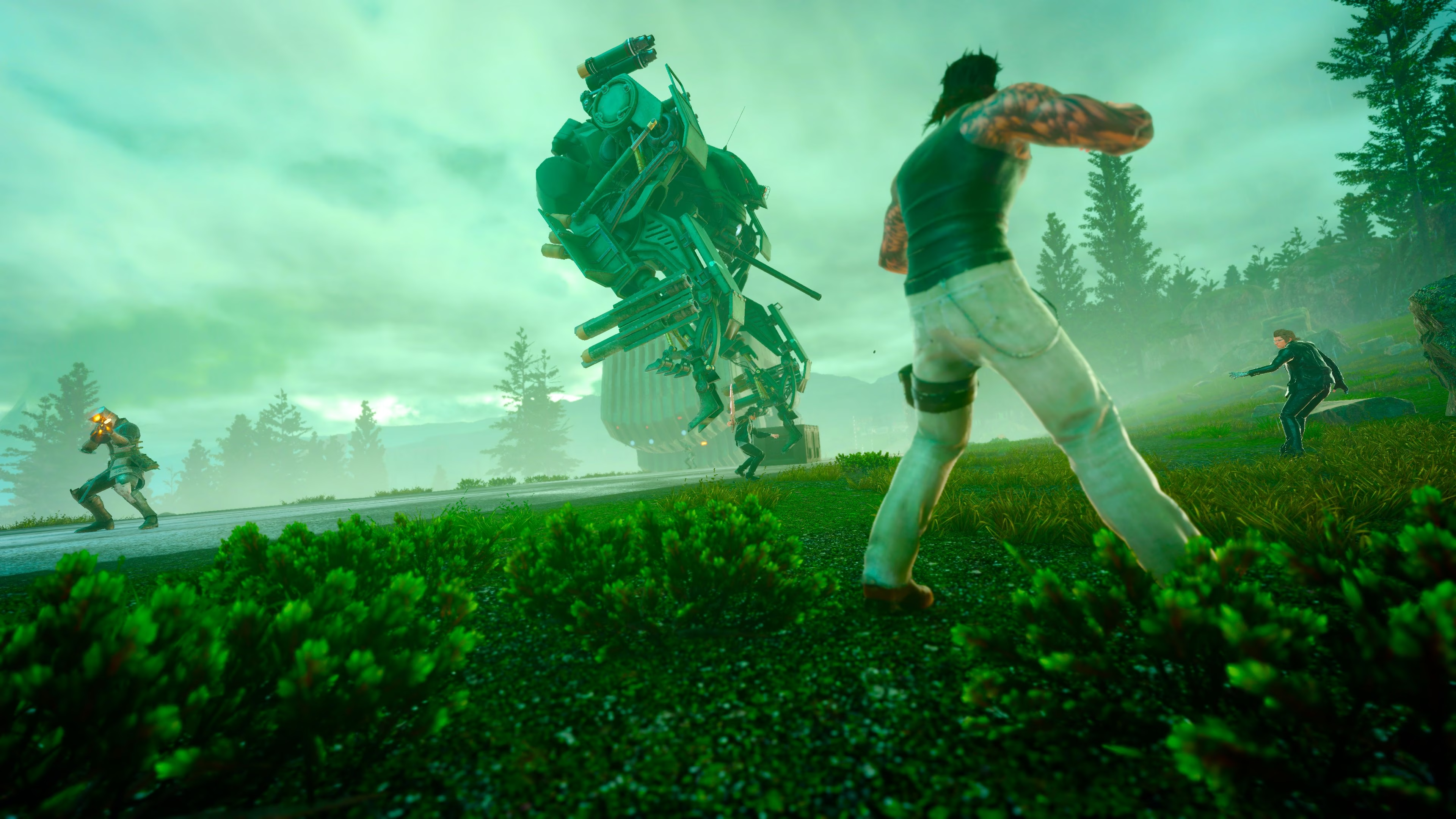
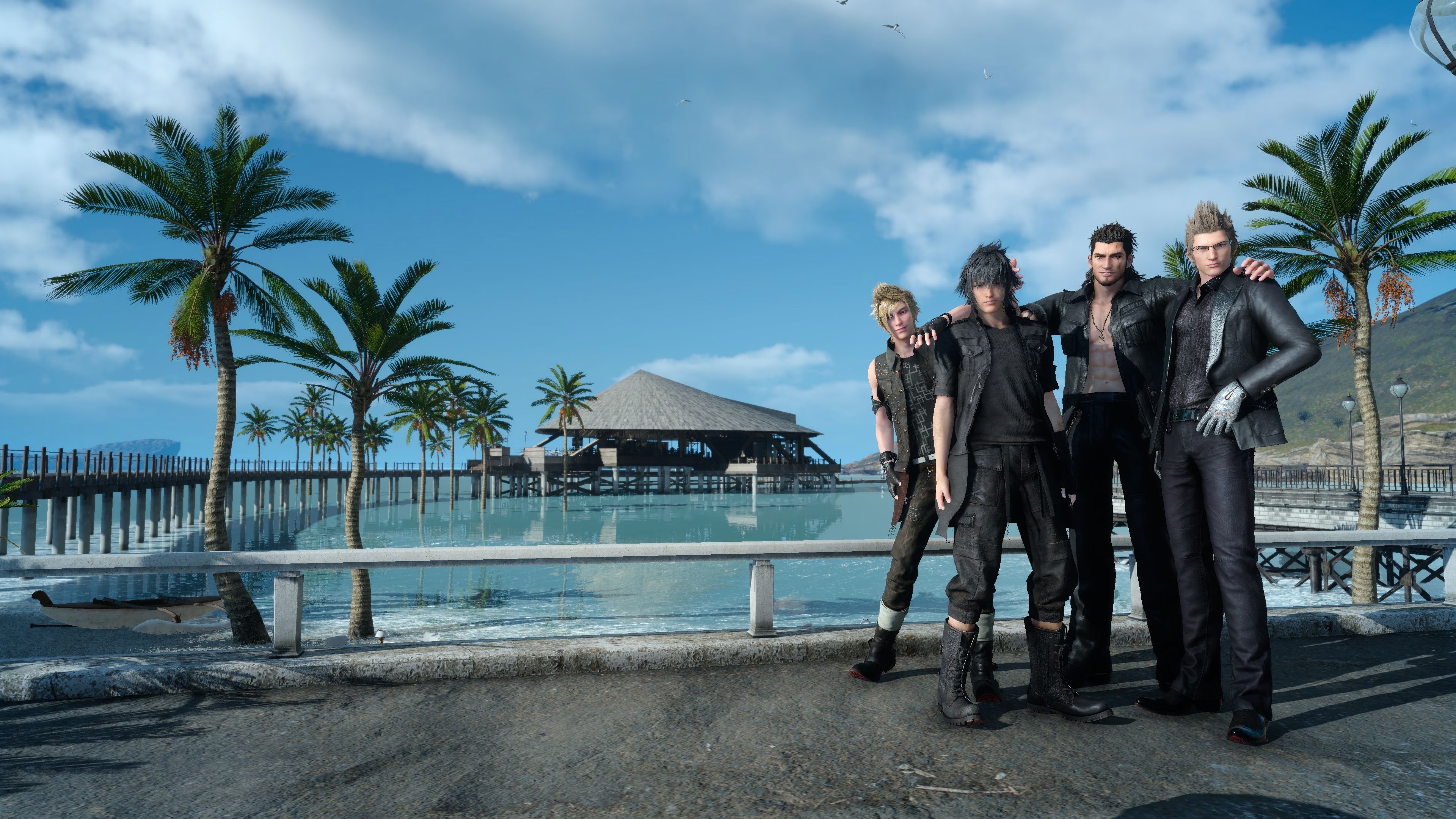
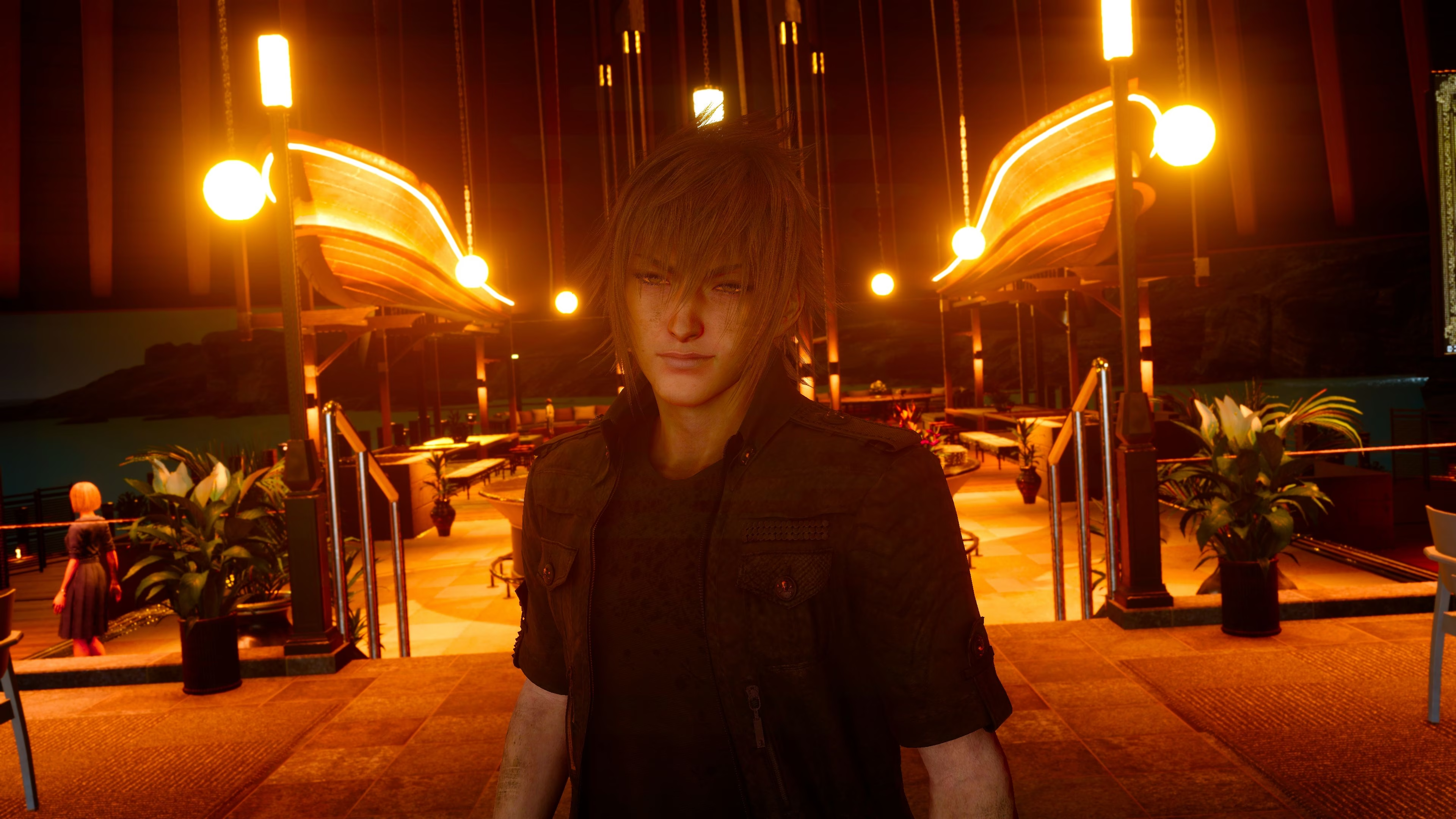
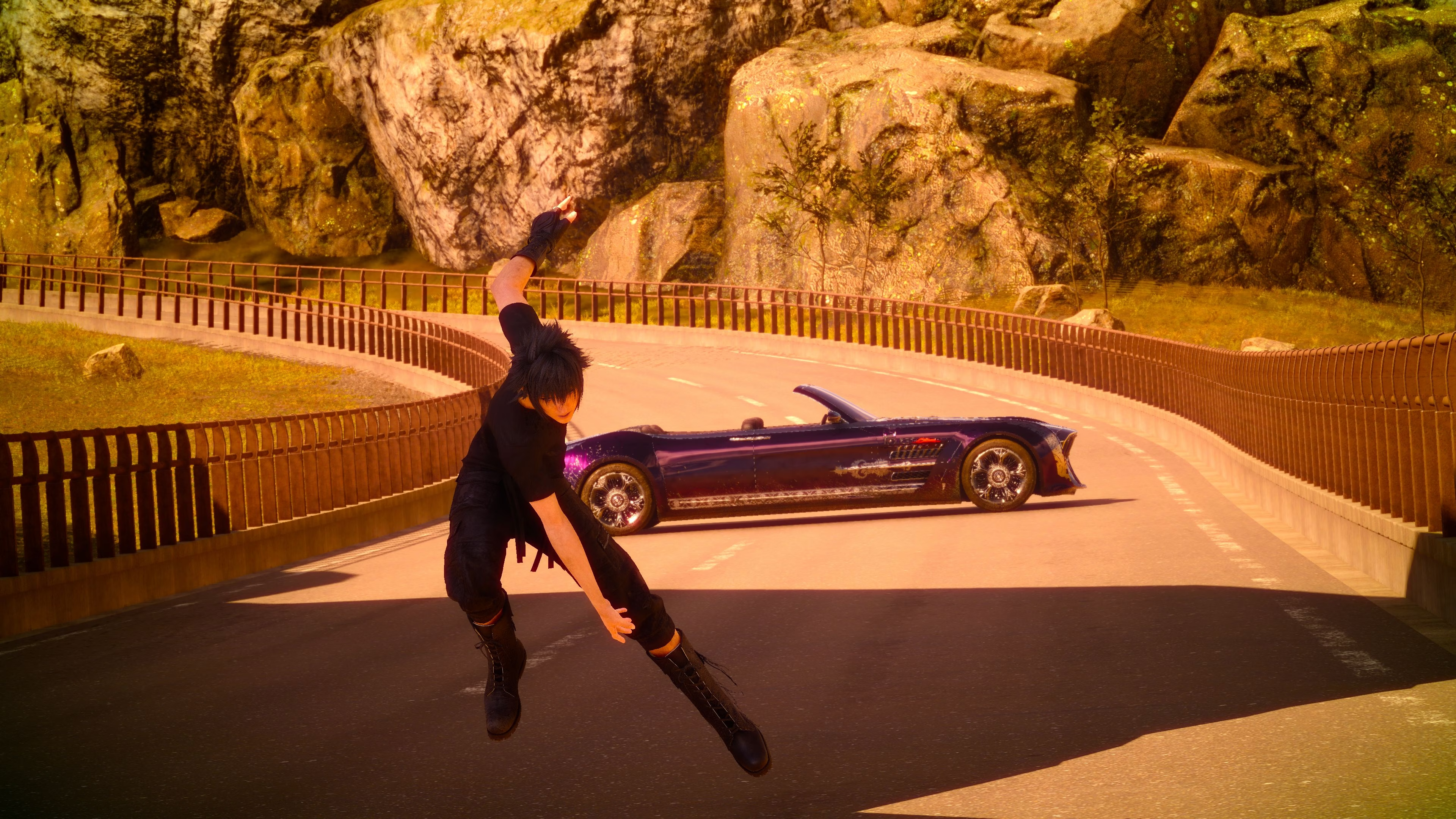
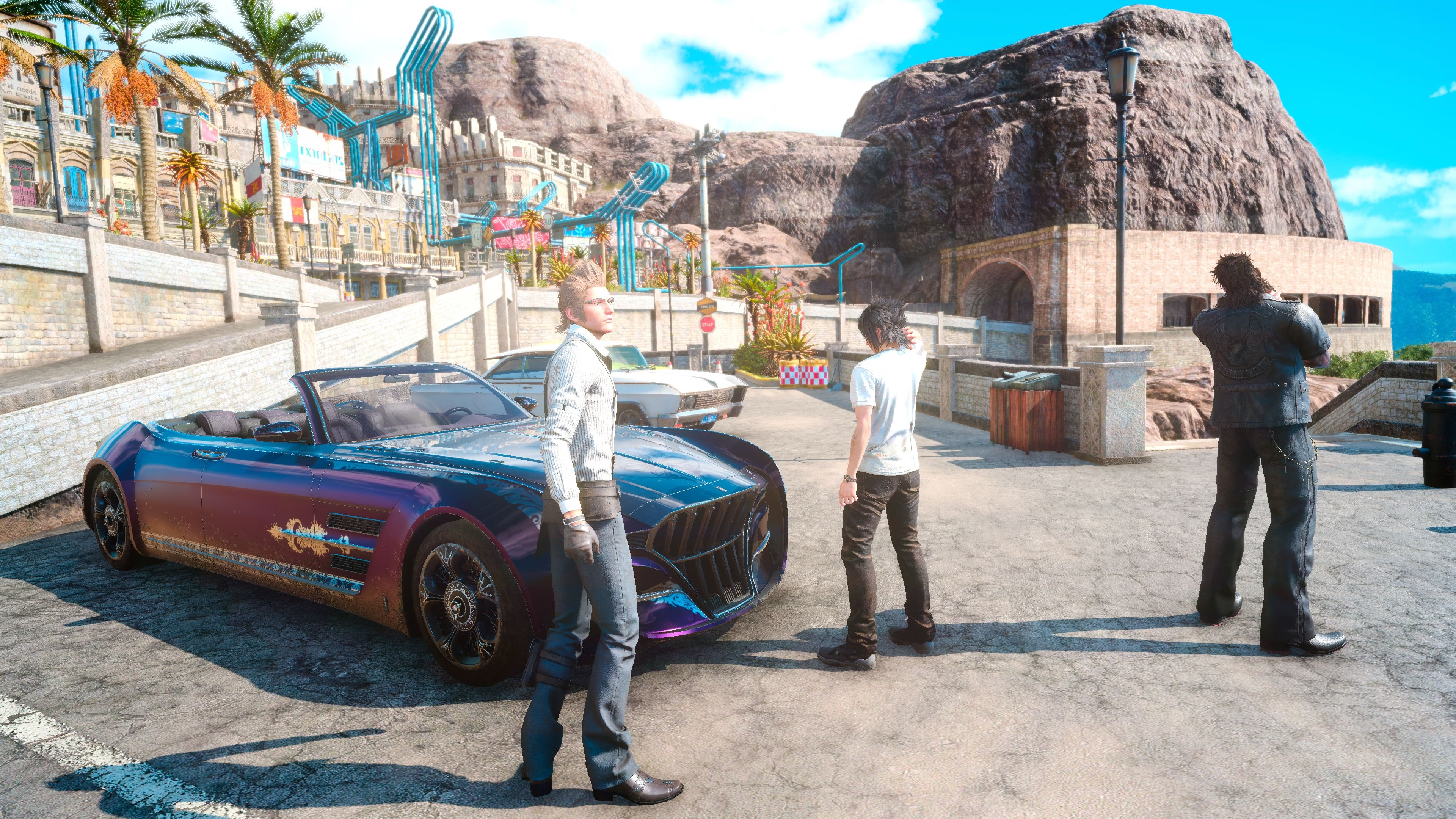
The legacy of Final Fantasy has always been defined by evolution, but few shifts were as seismic as the move from the strategic, menu-driven command systems of the past to the frantic, real-time action of the modern era. Final Fantasy XV represents the definitive turning point in that saga—a moment where the series traded the safety of turn-based combat for a high-octane, open-world experience. It was an ambitious gamble that aimed to bridge the gap between classic RPG depth and the immediate, kinetic energy of a character-action game.
Following its chaotic development history, the version of the game we have today is a strange relic. It’s a game that tries to be everything at once—an open-world epic, a tight character drama, and a technical showcase—and while it hits the mark on “vibes,” it misses a lot of the basic polish we’ve come to expect from a AAA mainline Final Fantasy installment, both in the narrative and the gameplay.
Pros
Cons
Final Fantasy XV is the moment the series shed its menu-driven roots to become a full-scale, real-time action JRPG. Instead of waiting for a bar to fill up or for your turn, the combat is a kinetic dance of strikes, parries, and dodges that feels more like an action adventure game than a traditional JRPG game. The centerpiece of this combat system is Noctis’ signature move, a Warp-Strike ability that allows you to throw your weapon and instantly teleport across the battlefield, letting you zip between enemies or retreat to high ground in a literal blink.
But the game is just as much about the quiet moments on the road as it is about the flashy swordplay. It functions as a “road trip simulator” where the macro-gameplay is about managing the logistics of travel—driving the Regalia across the country, stopping for gas, and hunting for ingredients. This is tied together by social systems like camping, where the experience you earned during the day is finally tallied, and the “auto-snap” photography that documents your journey. It creates a loop where you fight like a hero by day, but live like a tourist by night, making the bond between your four leads feel like the most important mechanic in the game. In fact, this game has many similarities to Death Stranding in that respect, having played that first.
The narrative follows Prince Noctis and his three closest companions as they set out on a cross-country road trip for a royal wedding intended to seal a peace treaty. The lighthearted “boys’ trip” vibe is quickly shattered when something tragic happens that sets out a series of events that forces them to navigate the world that is rapidly changing around them. What follows is a journey of growth and responsibility, as Noctis must step up to protect the world from an encroaching threat. While there are warring empires and ancient gods in the background, the heart of the story remains firmly on the bond of brotherhood, the thrill of adventure, and the personal weight of stepping into a destiny you weren’t quite ready for.
There is a moment in Final Fantasy XV where the world just clicks. You’re cruising down a long stretch of highway in the Regalia, the sun is dipping below the horizon, and you’re genuinely just enjoying the company of your three best friends with awesome soundtrack to boot. It’s a “road trip” simulator in the best possible way. But then, you try to pick up an item on the side of the road and your character jumps into the air like a maniac instead of grabbing it, and the illusion shatters. That is the Final Fantasy XV experience in a nutshell: a beautiful, atmospheric masterpiece constantly tripping over its own feet.
For all its faults, there is an undeniable beauty in the strolling. It’s a fun departure from the usual tedious open-world games or the overly linear “cinematic” titles we see today. As said earlier, I felt a very similar vibe to when I played Death Stranding—that meditative feeling of just navigating a grand, beautiful wilderness. Stopping over for gas, finding a spot to sleep, or tackling a few sidequests feels satisfying because the game leans into the cozy, road-trip atmosphere.
The “social media” elements are where the game really shines for me. The photo mode is gorgeous, but it’s the auto-snaps that truly sell the experience. You don’t have to micromanage it and take photos yourself manually. Having Prompto take photos of your actual gameplay actions—which you can then review and export at the end of the day—makes the journey feel documented and real. It’s a unique touch that emphasizes the bond between the four leads, making the travel feel like a genuine memory being made. I kind of wish more games have an auto photographer mode for their Photo Modes.
The food in Final Fantasy XV is famous for its hyper-realistic presentation, utilizing high-quality scans of real dishes to create some of the most appetizing visuals in gaming. As you discover new recipes across the world, Ignis prepares these meals at camp, providing essential stat-boosts for the challenges ahead. Rather than just being a background menu item, the photography-tier rendering of these dishes serves as a tangible reward for your exploration, adding a layer of immersion to the nightly ritual of the road trip.
When it works, the combat is fun and satisfying. Combos and counters, as well as weaving in and out of combat are gratifying. As well as the smart use of directional movement integrated into the attacks (moving the sticks will change the way you attack) is a unique experience that I wish more games would have.
But, you have to fight the game to get there. The control scheme is, frankly, unorthodox. The way you dodge, block, and lock onto targets can feel wonky, and the bindings are a bit too “out there” for their own good. It takes a long time to build muscle memory, and even then, the environment is your constant enemy. You’ll often find yourself in a heated battle only to have a bush or a tree completely block your view, making it impossible to see what you’re actually swinging at. It’s a “wonky” system that needed another layer of polish to match the fluid combat of something like its successor Final Fantasy XVI, which finally nailed it.
The biggest hurdle to enjoying your time in Eos is the lack of Quality of Life features. It’s a death by a thousand cuts. Why do I have to get down from my mount every single time I want to pick up an item off the ground? Why is the interact button the same as the jump button? You’ll spend half your time trying to talk to an NPC or pick up a potion only to have Noctis awkwardly hop in the air like he’s trying to dunk a basketball.
Then there’s the pacing of the UI and saves. The game is riddled with unskippable dialogue and long stretches where you can’t save, and the game doesn’t bother to checkpoint you either. If you run into a technical glitch or a tough mob during these segments, you’re losing significant progress. It’s an “old school” frustration that feels out of place in a modern title.
If you feel like the story is missing a massive chunk of logic in the early game, it’s because it is. When the first major chapter ends, you’re greeted with a soundless montage of CGI cutscenes that actually represent huge plot points. It feels abrupt and completely out of place. It turns out those scenes are from the Kingsglaive movie. I had to go watch the film just to get a grasp of what was happening. While the movie makes the story better and is a decent movie in itself that I’d recommend watching, it’s clear that budget cuts and a messy development cycle forced the devs to shove planned gameplay and story into a separate film.
This game is a fascinating, slightly heartbreaking look at what happens when development is cut off and restructured mid-flight. Much of what was originally planned for the game—from playable segments to deep lore—was shorn off into the CGI movie or DLCs due to budget cuts and a shifting vision. It’s hard not to feel a bit of “what if” when playing; you can see the ghosts of a much grander, more cohesive epic that was originally teased years ago. Compared to the cinematic weight of FF7 Rebirth or FF16, it’s clear the storytelling here was fragmented to cross the finish line, leaving us with a beautiful but noticeably scarred final product. Truly a missed opportunity.
Visuals and Technicals
Visually, the game is a striking mix of breathtaking technical ambition and artistry, offering grand vistas and towering monsters that still look spectacular. The lighting system is a standout, particularly during the “golden hour” when the sun dips across the wilderness, creating a warm, cinematic atmosphere that defines the game’s aesthetic. While the main character models are incredibly detailed with complex hair and clothing physics, the massive scale occasionally leads to trade-offs, such as lower-resolution textures in the environment (especially in the console versions) or foliage that can become obstructive during fast-paced combat.
Technically, the game remains a bit of a mess across platforms. The PC version suffers from constant stutters, likely due to shader compilation issues or traversal stutters. Interestingly, the Xbox version is very smooth—presumably due to preloaded caches—but you’re stuck playing the “Xbox One X” version even on the Series X. This means you have to choose between a crisp 4K at a sluggish 30fps or a blurry 1080p at 60fps, even though the Series X can surely handle 4k60. It’s a “pick your poison” scenario that reminds you this engine was struggling to keep up with the game’s ambition even back in 2016.
Final Fantasy XV is a game of incredible highs and frustrating lows. It captures a unique “cozy road trip” vibe that few other games have managed to replicate, and its focus on travel and photography makes for a deeply personal experience. However, the clunky QoL, fragmented story, and technical stutters act as a constant drag on the fun. It’s a game with a huge heart and a stellar vision that was clearly cut short by its own development hurdles. If you can look past the jumping-instead-of-interacting and the homework of watching a movie to better appreciate the plot, there is a beautiful adventure waiting for you on the open road.